Parents packing drinks for outings
A carton is easy to pack, but its size still matters. NHS guidance limits fruit juice and smoothies to a combined 150ml a day and advises serving them with meals rather than as between-meal drinks.


Choose a measured serving of 100% apple juice if you want a fruit-juice portion with a meal, but do not mistake its naturally occurring sugars for zero sugar. If the sugars listed on the label are your priority, compare no-added-sugar juice drinks by serving size, fruit content and ingredients: the ASDA apple-and-pear example contains sweetener and is not 100% juice. For between-meal thirst, water avoids making juice a drink to sip throughout the day; NHS guidance limits fruit juice and smoothies to a combined 150ml daily and advises having them with meals.
For a school-holiday snack, the useful distinction is whether the drink is a measured juice serving with a meal, a juice drink chosen for its label, or something to have between meals.
A carton is easy to pack, but its size still matters. NHS guidance limits fruit juice and smoothies to a combined 150ml a day and advises serving them with meals rather than as between-meal drinks.
A no-added-sugar juice drink can have a different sugars figure from pure juice. Check the amount in the serving you would offer, as well as the fruit percentage and whether the drink contains sweetener.
Check the product name and ingredients to distinguish apple juice from an apple-flavoured juice drink. Pure juice can provide a fruit-juice portion, but it still lists naturally occurring sugars.
Decide when the drink will be served, then compare the product type and the amount in the carton or glass. “No added sugar”, “sugar-free” and “100% juice” answer different questions.
Choose when: You want a measured fruit-juice portion to serve with a meal.
Bear in mind: Pure juice still contains sugars; NHS guidance limits fruit juice and smoothies together to 150ml a day.
Choose when: The listed sugars per serving matter more to you than having 100% fruit juice.
Bear in mind: No added sugar does not mean zero sugar or pure juice; check the ingredients and fruit percentage.
Choose when: Your child is thirsty between snacks and you do not want juice to become an all-day drink.
Bear in mind: Water is not a fruit-juice portion; if you offer juice, keep its serving for a meal.
| Priority | What to check | Your needs |
|---|---|---|
| Portion and timing | Check the carton size or measure what you pour. NHS guidance limits fruit juice and smoothies to a combined 150ml a day and advises having them with meals. | I want to offer juice with lunch without treating a larger carton or bottle as a single child-sized serving. |
| Labelled sugars | Read sugars per 100ml and per serving. ASDA Groceries lists 1.8g sugars in a 150ml carton of its no-added-sugar Apple & Pear Juice Drink; “no added sugar” is not “zero sugar”. | If I am comparing drinks by listed sugars, the amount in the portion I will actually serve matters more than the wording on the front. |
| Juice content | Check whether the product is 100% apple juice or a juice drink. ASDA Groceries lists 6% apple juice and 4% pear juice in its Apple & Pear Juice Drink, alongside sucralose. | I may prefer pure apple juice, or accept a diluted drink with sweetener; I want to know which one I am buying. |
| Pack format | Compare the pack volume with the intended serving. ASDA Groceries lists Tropicana Kids Apple in 150ml cartons, while Sainsbury’s lists its pressed apple juice in a 1L bottle. | A ready-portioned carton would simplify packing lunch; with a family bottle, I would measure the juice into a glass. |
ASDA Groceries lists 1.8g sugars per 150ml carton for its no-added-sugar Apple & Pear Juice Drink. The two phrases do not describe the same sugars figure.
Compare sugars per 100ml and per serving, then read the product name and ingredients to see whether it is juice or a juice drink.
NHS guidance explains that juicing releases sugars that can damage teeth. It advises having juice with meals rather than repeatedly sipping it between snacks.
If you choose apple juice, serve a measured portion with a meal and count it within the combined 150ml daily guidance for juice and smoothies.
A 1L bottle holds more than one 150ml serving. Its pack size does not determine how much goes into a child’s glass.
Measure the serving when pouring, or check whether a 150ml carton better fits the occasion.
ASDA Groceries lists 15g sugars in a 150ml Tropicana Kids Apple carton. The carton provides a defined portion, not a zero-sugar drink.
Choose the pack size and the drink type separately: check the sugars panel even when a carton is marketed for children.
These examples show why the label of the particular drink matters more than the brand name alone. Figures and ingredients below apply to the named products, not every drink in a range.
Pressed apple juice and a children’s apple drink sold in 150ml cartons.
A cloudy pressed-apple juice option rather than a diluted apple-flavoured juice drink.
Its named examples show the distinction between apple juice from concentrate and an apple-and-pear juice drink.
Its named apple-juice products include pressed juice in a 1L bottle and juice from concentrate in 200ml cartons.
Apple-juice formats in its range include multipacks, but a range-level filter does not describe every individual product.
A retailer reference for a larger Tropicana Pressed Apple Juice pack, rather than a separate Tesco apple-juice formulation.
These options span an apple juice drink, apple juices and an apple-flavoured soft drink. Compare their labels and pack sizes against the drink you intend to serve; they are not interchangeable 150ml juice portions.
 No image available
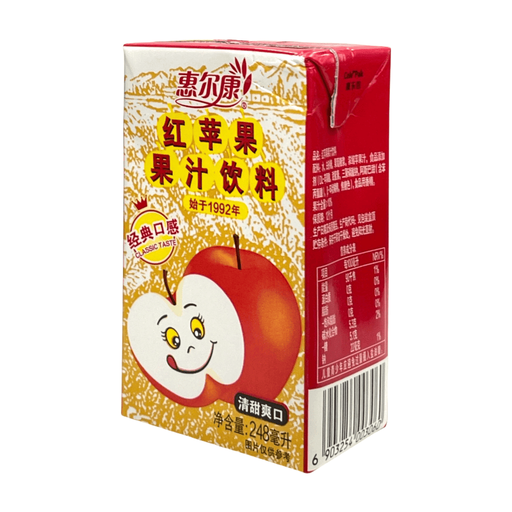
This apple juice drink comes in a 248ml carton, so measure a smaller amount if you intend to serve 150ml. It is not a no-added-sugar choice; check its sugars and ingredients rather than treating “juice drink” as a guide to either.
 No image available
This lightly sparkling 100% apple juice comes in 250ml units. A whole unit exceeds the NHS combined 150ml daily guidance for fruit juice and smoothies, so measure a serving if offering it with a meal.
 No image available
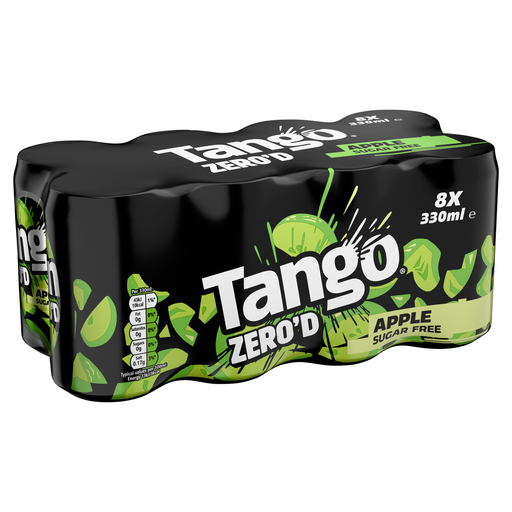
This is an apple-flavoured soft-drink option in 330ml cans, not a 100% apple-juice portion. If you are choosing it for its Sugar Free label, check the nutrition panel and sweeteners as well as the can size.
 No image available
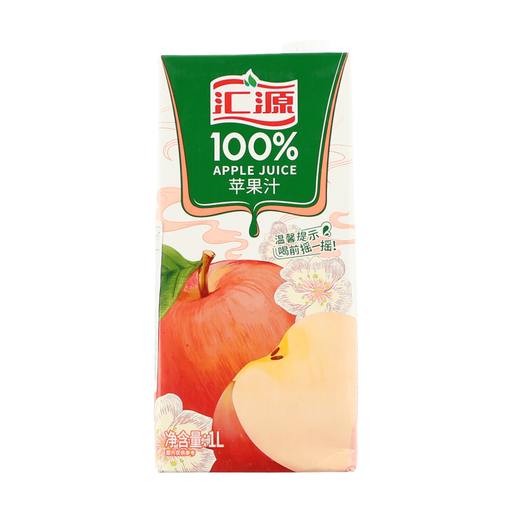
The 1L bottle can be poured into separate servings, but it is not itself a child-sized portion. Measure the amount offered with a meal and check the product’s juice content and sugars label for your preferred type of apple drink.
NHS guidance limits fruit juice and smoothies to a combined 150ml a day; that amount can count as one 5 A Day portion. The NHS also advises having juice with meals rather than as a between-meal drink.
No. ASDA Groceries lists 1.8g sugars per 150ml carton for its no-added-sugar Apple & Pear Juice Drink. Read the sugars figure for the serving you would offer rather than treating “no added sugar” as a zero-sugar statement.
A 150ml carton gives a defined volume, but NHS guidance still advises serving juice with a meal. ASDA Groceries lists 15g sugars in a 150ml Tropicana Kids Apple carton, so the pack size should not be taken to mean it contains no sugars.
Check sugars per 100ml and per serving, the product name, fruit percentage and ingredients. ASDA Groceries lists its no-added-sugar Apple & Pear Juice Drink as 10% combined fruit juice with sucralose; a 100% apple juice is a different product type, even when its sugars are naturally occurring.