Hosts serving apple juice
If you want apple juice alongside brunch food, compare pure-juice labels and plan a measured serving rather than relying on a ‘no added sugar’ claim to judge sugar content.


Serve 100% apple juice if you want juice itself at brunch, but measure the glass: the NHS advises limiting fruit juice and smoothies together to 150ml a day and having juice with a meal. If sugar per served glass matters more, a no-added-sugar apple squash diluted as directed is a different option; Ocado lists M&S Apple & Elderflower High Juice at 1.0g sugars per 100ml prepared, compared with 10g per 100ml for its Tropicana and Copella pure-juice listings.
If you want apple juice alongside brunch food, compare pure-juice labels and plan a measured serving rather than relying on a ‘no added sugar’ claim to judge sugar content.
A diluted apple squash may suit a longer drink. Check the prepared drink’s sugars per 100ml, the mixing instructions, sweeteners and allergens before serving it.
Check whether each bottle is juice, squash or an apple-flavoured soft drink. For children, also read the current pack’s serving information and any cap warning.
Choose when: You want apple juice itself in a small glass with brunch.
Trade-off: ‘No added sugar’ does not remove the fruit’s naturally occurring sugars; the NHS advises a combined daily limit of 150ml for juice and smoothies.
Choose when: Sugar per prepared glass matters more than serving pure juice.
Trade-off: The labelled nutrition depends on following the dilution instructions, and the ingredients may include sweeteners or allergens.
Choose when: An apple-flavoured drink is acceptable instead of a juice-style brunch drink.
Trade-off: Juice content and ingredients differ from 100% apple juice; read the product description rather than treating the drinks as interchangeable.
| Priority | What to check | Your needs |
|---|---|---|
| Sugar and serving | Compare ‘of which sugars’ per 100ml of the drink as served. For pure juice, the NHS advises no more than 150ml of fruit juice and smoothies combined per day, with a meal. | I want to put out a measured glass of juice, not assume that ‘no added sugar’ means it contains no sugar. |
| Drink type | Look for 100% juice, the stated fruit-juice percentage or a soft-drink description. For a concentrate, check how much water to add. | Am I serving apple juice, or would an apple-based diluted drink suit this brunch just as well? |
| Ingredients | Read the sweetener and allergen declarations on the exact pack. Ocado’s M&S Apple & Elderflower High Juice listing names sucralose and sulphites. | Before offering an alternative to guests, I want to know what is in it beyond apple juice. |
| Storage | Check the pack size, storage instructions and directions for use after opening. | There should be enough for brunch without opening more chilled juice than we expect to use. |
Ocado lists 10g sugars per 100ml for both Tropicana Pressed Apple Fruit Juice and Copella Cloudy Apple Fruit Juice, despite their naturally occurring sugars not being added sugar.
Check the sugars figure per 100ml and measure pure juice against the NHS’s combined 150ml daily guidance for juice and smoothies.
Ocado’s 1.0g sugars per 100ml figure for M&S Apple & Elderflower High Juice applies to the prepared drink, mixed one part cordial to four parts water.
Follow the stated mixing ratio and compare drinks on the same ready-to-drink, per-100ml basis.
Ocado lists sucralose and sulphites in M&S Apple & Elderflower High Juice. A sugar figure alone cannot tell guests whether its ingredients suit them.
Read the ingredient and allergen panel on the exact current pack before serving it.
Opened-pack storage instructions affect how you can keep juice left after brunch.
Match the bottle size to the servings you expect and follow its instructions after opening.
These product examples illustrate different labels to compare; a brand name alone does not determine the drink’s sugar content or ingredients.
Ocado describes Tropicana Pressed Apple Fruit Juice as 100% pressed juice, not from concentrate.
Ocado describes Copella Cloudy Apple Fruit Juice as not-from-concentrate apple juice.
Ocado lists M&S No Added Sugar Apple & Elderflower High Juice as a concentrate containing 50% fruit juice.
Ocado describes Cawston Press Cloudy Apple Juice as 100% pressed juice, not from concentrate.
These options include apple-flavoured soft drinks, an apple-and-pear fruit water and a sparkling apple juice. Check the drink type as well as the serving size when choosing for brunch.
 No image available
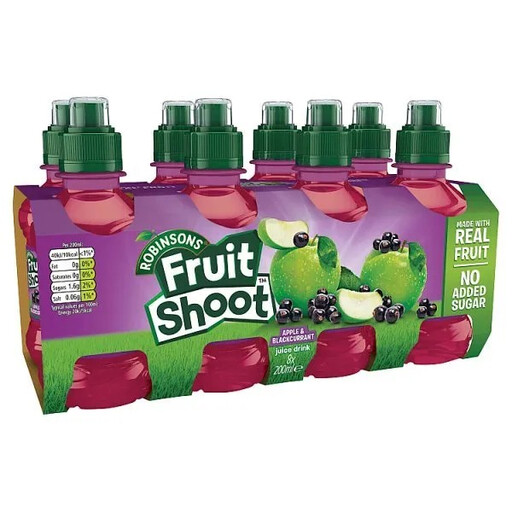
Eight individual bottles offer an apple-and-blackcurrant soft-drink option for guests who do not want pure apple juice. Check the current ingredients and cap warning before serving children.
 No image available
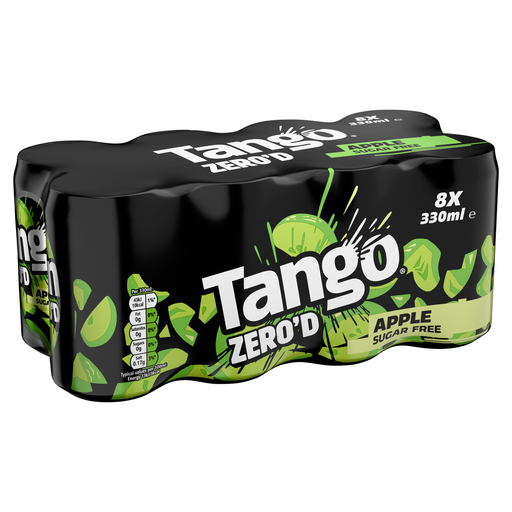
This eight-can apple soft-drink pack suits a brunch where a fizzy alternative is welcome rather than apple juice itself. Each can contains 330ml; check the current nutrition and ingredients panel for the drink you will serve.
 No image available
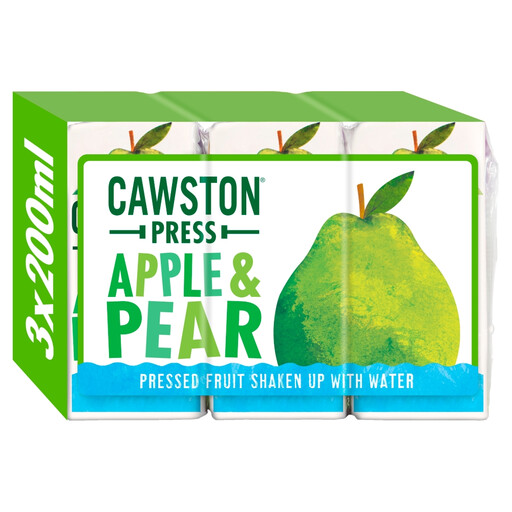
Three individual cartons offer an apple-and-pear drink rather than 100% apple juice. Check its per-100ml sugars figure and ingredients if those determine which drink to put out.
 No image available
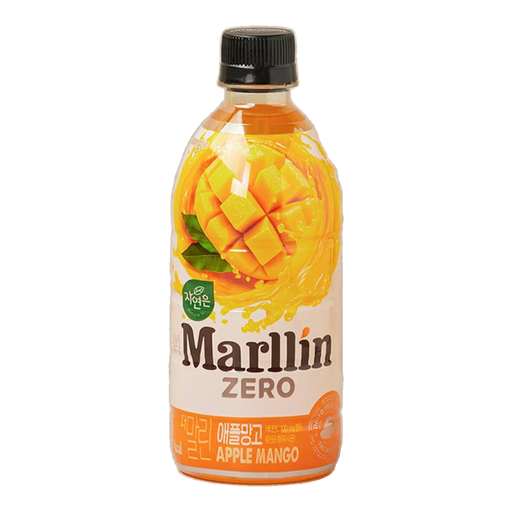
This 500ml bottled fruit drink is an alternative to pure apple juice. If the precise fruit flavour or allergens matter to a guest, check the ingredient and allergen declarations on the current pack before buying.
 No image available
This lightly sparkling 100% apple juice offers a juice option in individual cans. Each 250ml can is larger than the NHS’s recommended combined daily 150ml limit for fruit juice and smoothies, so measure a serving if following that guidance.
No. Ocado lists 10g naturally occurring sugars per 100ml for both Tropicana Pressed Apple Fruit Juice and Copella Cloudy Apple Fruit Juice. Read the ‘of which sugars’ line to see what is in the drink, regardless of whether sugar was added.
A 150ml glass follows the NHS’s advice to limit fruit juice and smoothies to a combined 150ml a day and to have juice with a meal. A larger bottle or can need not be served as one glass.
It can take its place as a drink if you want a diluted apple-based option, but it is not the same as pure juice. Ocado lists M&S Apple & Elderflower High Juice as 50% fruit juice, with 1.0g sugars per 100ml when mixed one part cordial to four parts water; its ingredients include sucralose and sulphites.
Check the ingredient and allergen panel on the exact pack before serving the drink. Ocado’s listing for M&S Apple & Elderflower High Juice names both sucralose and sulphites, so its lower prepared-drink sugar figure is not enough to decide whether it suits that guest.
Follow the opened-pack storage and use instructions on the bottle or carton. Choosing a size that matches the expected number of servings also helps you plan what will be left.