Snackers who want apple juice
If the taste and composition of apple juice are the point, look at the ingredients and plan a measured serving. NHS guidance limits fruit juice and smoothies together to 150ml a day and advises having them with a meal.


Choose 100% apple juice if you specifically want juice with your afternoon snack and are comfortable with a measured serving: Tropicana Orchard Apple and Copella Cloudy Apple each list 15g sugars per 150ml. If reducing sugar matters more than having pure juice, compare apple-based drinks by their nutrition panels and ingredients, including any sweeteners or allergens. For a zero-sugar drink, check for 0g sugars on the label rather than assuming that ‘no added sugar’ means sugar-free.
If the taste and composition of apple juice are the point, look at the ingredients and plan a measured serving. NHS guidance limits fruit juice and smoothies together to 150ml a day and advises having them with a meal.
An apple-based juice drink may be worth considering if its listed sugars matter more to you than pure-juice composition. Check the serving amount as well as fruit content, sweeteners and allergens before deciding.
If zero sugar is the deciding condition, check the nutrition panel for 0g sugars. A juice labelled ‘no added sugar’ can still contain sugars from the fruit.
Decide whether you want pure apple juice, a differently formulated apple-based drink or a non-juice option; then compare the amount you would actually drink.
| Priority | What to check | Your needs |
|---|---|---|
| Sugars per serving | Read sugars per 100ml or 100g and the amount you intend to pour. Tropicana lists 15g sugars per 150ml for Orchard Apple; Sainsbury's lists the same amount for Copella Cloudy Apple. | I want to know how much sugar is in my glass, not just in the quantity used on the nutrition panel. |
| Drink composition | Check whether the label says 100% juice or juice drink, and read the ingredients. Marks & Spencer lists 50% fruit juice, sucralose and sulphites in M&S Apple and Mango High Juice. | I might accept an apple-and-mango drink with a different ingredient list if pure apple juice is not essential. |
| Zero-sugar requirement | Look for 0g sugars on the nutrition panel; ‘no added sugar’ does not establish that a drink contains no sugars. Check sweeteners if you prefer to avoid them. | What matters to me is whether the drink is sugar-free, even if that means choosing something other than juice. |
| Juice serving | The NHS advises no more than 150ml of fruit juice and smoothies in total per day, taken with a meal. Check a bottle's serving count rather than treating the whole bottle as one glass. | If juice accompanies my afternoon snack, I want to account for any juice or smoothie I have already had that day. |
| Storage and pack size | Read the refrigeration and use-after-opening instructions for the pack you buy. Sainsbury's lists four days after opening for its 1.35L Copella Cloudy Apple bottle. | A larger chilled bottle only suits me if I can store and use the remaining drink as directed. |
Tropicana lists 15g sugars per 150ml of Orchard Apple, and Sainsbury's lists 15g per 150ml of Copella Cloudy Apple, despite their short juice-based ingredient lists.
Compare the sugars line for the amount you intend to drink. If you need zero sugar, check for 0g sugars rather than relying on front-of-pack wording.
ASDA lists its 300ml Copella Cloudy Apple bottle as two 150ml servings. NHS guidance limits fruit juice and smoothies together to one small 150ml glass a day.
Measure the portion you want with your snack, then follow the pack's instructions for storing any remainder.
Marks & Spencer lists M&S Apple and Mango High Juice as 50% fruit juice, with water, mango purée, sucralose and sulphites. Its formulation differs from an all-apple juice.
Check fruit content and the full ingredient and allergen information alongside the sugars figure, particularly if sweeteners or sulphites affect your choice.
These named products show why the ingredients and nutrition panel matter more than the brand name alone.
Tropicana Orchard Apple is an apple-juice reference for a measured afternoon serving.
Copella Cloudy Apple suits a shopper looking specifically for a cloudy, pressed apple juice.
M&S Apple and Mango High Juice is an apple-based juice drink, not pure apple juice.
These are apple-flavoured or apple-based alternatives to consider when pure apple juice is not essential. Check each pack's sugars and ingredients against your own choice of drink.
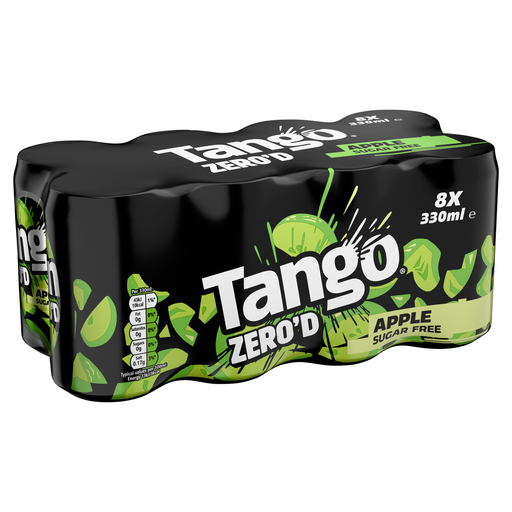 No image available
For an apple-flavoured drink rather than pure juice. If zero sugar is essential, confirm the sugars figure on the pack; also check whether the carbonated drink's sweeteners suit you. The pack contains eight 330ml cans.
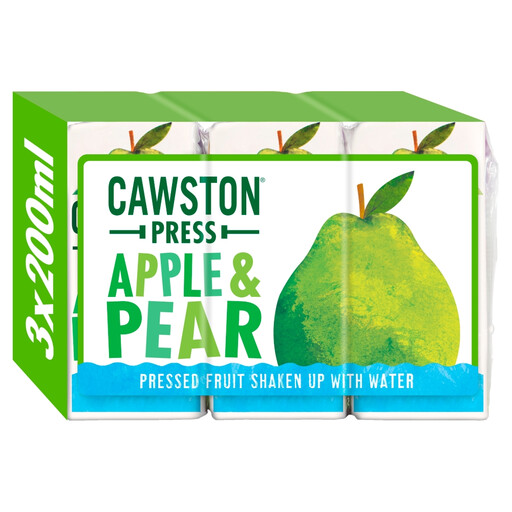 No image available
Consider this apple-and-pear option if you do not need pure apple juice. It is not sugar-free; check the sugars figure and serving advice on the pack. The pack contains three 200ml cartons.
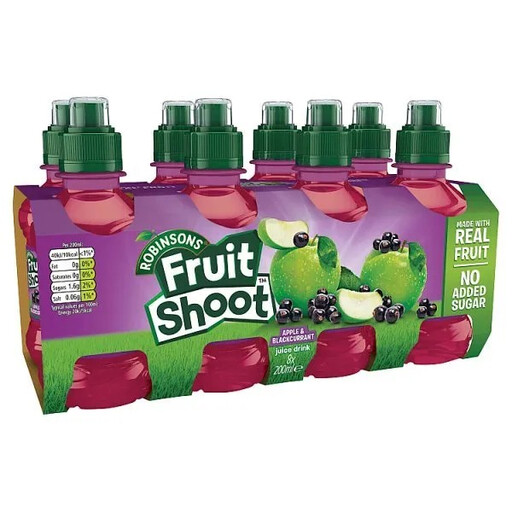 No image available
For an apple-and-blackcurrant drink rather than pure apple juice. ‘No added sugar’ does not mean sugar-free, so check the sugars and sweeteners on the pack. The pack contains eight 200ml bottles; its cap warning says the small parts are unsuitable for children under 36 months.
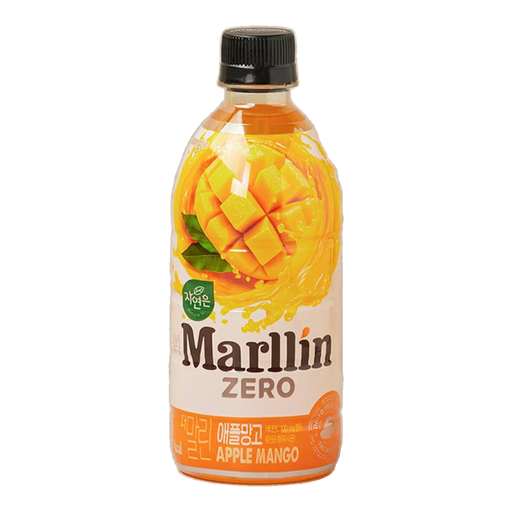 No image available
A 500ml fruit drink to consider instead of pure apple juice. If the apple-and-mango flavour or zero-sugar claim determines your choice, check both on the pack: the product information gives conflicting flavour details. Check the sweeteners too.
 No image available
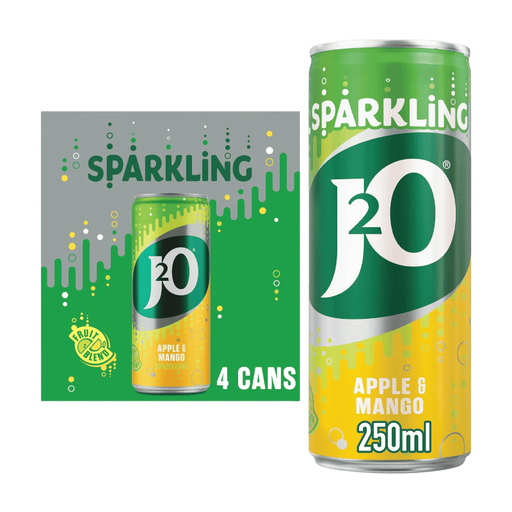
For a sparkling apple-and-mango drink rather than pure apple juice. It is not a zero-sugar option; check the sugars and ingredients if you are comparing it with juice or other drinks. The pack contains four 250ml bottles.
The NHS advises limiting fruit juice and smoothies to one small glass of 150ml in total per day and having it with a meal. Count any juice or smoothie you have already had that day, rather than treating each drink separately.
No. Tropicana lists 15g sugars per 150ml of Orchard Apple, and Sainsbury's lists 15g per 150ml of Copella Cloudy Apple. Read the sugars figure for the portion you plan to have, even when sugar is not listed as an added ingredient.
Its fruit content and other ingredients can differ from pure apple juice. For example, Marks & Spencer lists M&S Apple and Mango High Juice as 50% fruit juice, with 1.1g sugars per 100g; its ingredients include sucralose and sulphites. Compare labels using the same quantity before drawing a sugar comparison.
Check how many servings it contains and how long it can be kept after opening. Sainsbury's says to refrigerate its 1.35L Copella Cloudy Apple bottle and use it within four days of opening; follow the instructions on the pack you buy.
Yes. Marks & Spencer lists sulphites in M&S Apple and Mango High Juice, alongside the sweetener sucralose. Read the current pack's ingredient and allergen information before choosing it.