What should you check?
Decide whether the drink needs to be 100% apple juice before comparing sugars on a like-for-like serving basis. Then plan how much to pour and where opened packs will be kept.
| Priority | What to check | Your needs |
|---|
| Drink type |
Read the product name, juice percentage and ingredients. Sainsbury's lists 100% apple juice for its not-from-concentrate product, but 20% apple juice and 5% pear juice for its no-added-sugar apple-and-pear drink. |
I want an apple-only juice for some guests, but an apple-based juice drink may suit others who accept a different composition. |
| Sugars and sweeteners |
Compare “of which sugars” using the same volume, and check for named sweeteners. Sainsbury's lists 13.0g sugars per 150ml for its 100% not-from-concentrate juice and 3.9g for its apple-and-pear drink; the latter contains acesulfame K and sucralose. |
When labelled sugars matter, I need the figure for the actual drink I am serving. “No added sugar” alone does not tell me that it is sugar-free. |
| Serving size |
The NHS advises a maximum of one small 150ml glass of fruit juice or smoothies a day, taken with a meal. Check the volume of a can or carton before using it as one serving. |
I would like to pour juice alongside the BBQ food without assuming that a larger pack changes the suggested individual portion. |
| Storage |
Check the exact pack's chilled-storage and after-opening instructions, then match the size to fridge space and expected use. Marks & Spencer specifies 24 hours after opening for its Cloudy Apple Juice; Asda specifies four days for its Apple Juice from Concentrate. |
For advance BBQ preparation, I need somewhere to keep opened drinks as directed and a pack size the group can use in time. |
Brand and retailer references
These product examples help distinguish juice types and label details; they do not imply that every brand or retailer offers the same range on Joybuy.
Tropicana
Tropicana describes its Orchard Apple product as 100% pressed juice, not from concentrate.
- Tesco lists 15g sugars per 150ml and ten 150ml servings in the 1.5L Tropicana carton.
- Pressed juice still has labelled sugars; compare the serving size rather than treating the processing description as a sugar claim.
Copella
Copella's Cloudy Apple is a pressed apple juice for shoppers who want a cloudy style.
- Copella lists 15g sugars per 150ml for Cloudy Apple.
- One Stop's product information for the 900ml pack says to refrigerate it and consume it within four days of opening.
Sainsbury's
Sainsbury's provides examples of both 100% apple juice and a no-added-sugar apple-and-pear juice drink.
- Its not-from-concentrate 100% apple juice lists 13.0g sugars per 150ml; its no-added-sugar apple-and-pear drink lists 3.9g per 150ml.
- The apple-and-pear drink contains 25% fruit juice plus acesulfame K and sucralose, so it is not interchangeable with 100% apple juice.
Asda
Asda lists a 1L Apple Juice from Concentrate made with apple juice from concentrate and citric acid.
- Its product information lists 17g sugars per 150ml, giving shoppers a stated serving basis for comparison.
- Asda instructs shoppers to refrigerate the juice after opening and use it within four days.
M&S
M&S lists a not-from-concentrate Cloudy Apple Juice and a separate clear Apple Juice.
- The cloudy product lists 10.2g sugars per 100g; the clear product lists 10.3g per 100g. These are weight-based label figures, not per-150ml values.
- M&S says to drink the cloudy juice within 24 hours of opening; check the instructions for the specific pack you choose.
Tesco
Tesco's cited listing is for a 1.5L Tropicana pressed apple juice carton, rather than a Tesco own-label product.
- The listing states ten 150ml servings and 15g sugars per serving.
- Use the Tropicana product details for this comparison, not assumptions about Tesco own-label juice.
Joybuy drink options
These options include apple juice, apple-and-pear fruit water and apple-flavoured drinks for a BBQ. Read each label before treating them as the same type of drink.
 No image available
Appletiser 100% Apple Juice Lightly Sparkling, 6 × 250ml
For guests who want apple juice in a lightly sparkling format, this pack contains six 250ml cans. A can is larger than the NHS's suggested 150ml fruit-juice portion, so use a smaller glass when following that guidance.
View on Joybuy
 No image available
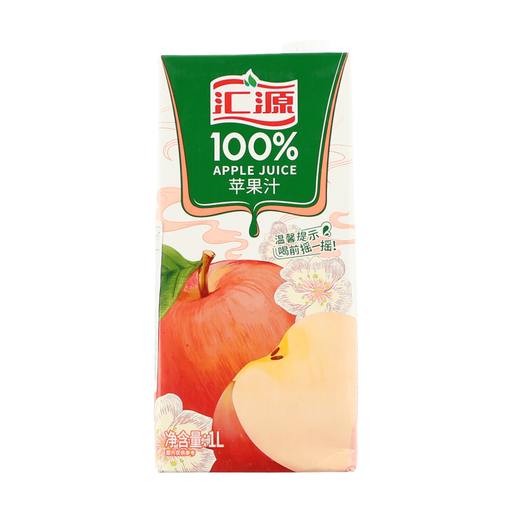
Huiyuan Apple Juice 1L
A 1L apple juice pack allows you to pour individual servings for a group. Compare the sugars and ingredients on the pack, and check its storage instructions before opening it for the BBQ.
View on Joybuy
 No image available
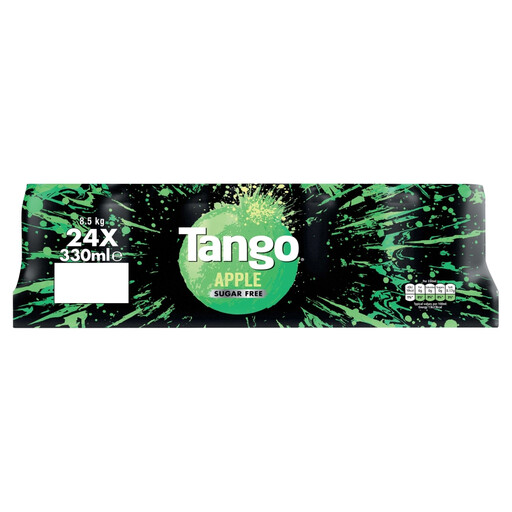
Tango Apple Sugar-Free, 24 × 330ml
This 24-can apple-flavoured option is for guests considering a sugar-free drink rather than 100% apple juice. Check its juice content and sweeteners on the label; each can is 330ml.
View on Joybuy
 No image available
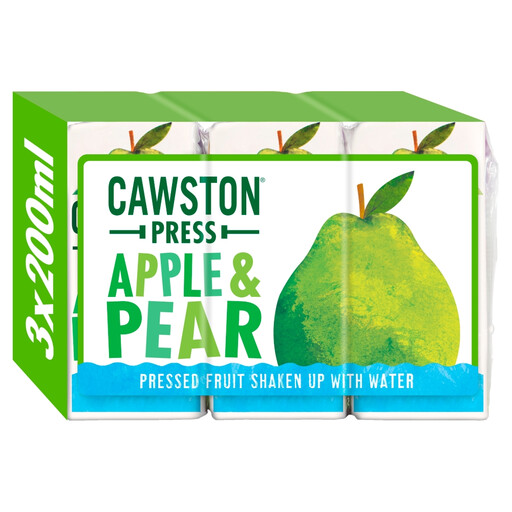
Cawston Press Apple & Pear Fruit Water, 3 × 200ml
Three 200ml cartons offer an apple-and-pear option rather than apple-only juice. If guests are comparing sugars, read the nutrition label using the same volume basis as the other drinks.
View on Joybuy
 No image available
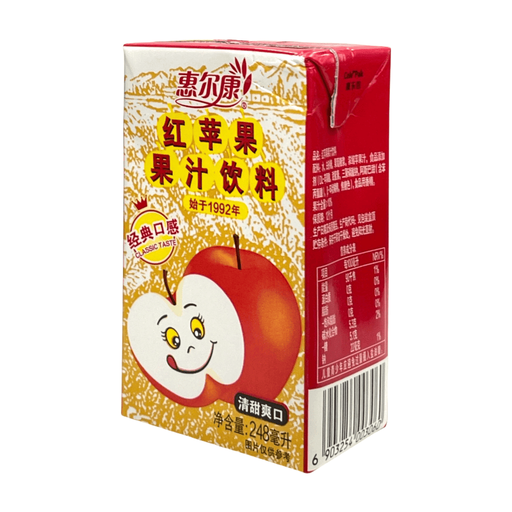
Huierkang Red Apple Juice Drink, 248ml
This individual 248ml carton is an apple juice drink option for serving at a gathering. Check its juice percentage, ingredients and sugars rather than assuming a juice drink is 100% apple juice.
View on Joybuy
Questions about BBQ drinks
Does “no added sugar” mean an apple drink is sugar-free?
No. Sainsbury's no-added-sugar apple-and-pear juice drink lists 3.9g sugars per 150ml. Check the “of which sugars” figure even when the front of the pack says no sugar has been added.
How much fruit juice should I pour per guest?
Use 150ml when planning an individual fruit-juice serving. The NHS advises limiting fruit juice and smoothies to a maximum of one small 150ml glass a day and having it with a meal; offer water alongside it at the BBQ.
Is not-from-concentrate apple juice lower in sugar?
Not necessarily: the wording describes how the juice is made, not its sugar content. Sainsbury's lists 13.0g sugars per 150ml for its not-from-concentrate apple juice, while Tropicana and Copella each list 15g per 150ml for the cited pressed juices. Compare the exact nutrition panels.
How should I plan storage for opened juice?
Follow the instructions on the pack you buy and make room to refrigerate it where directed. Marks & Spencer says to drink its Cloudy Apple Juice within 24 hours of opening; Asda specifies four days for its Apple Juice from Concentrate. Do not apply one product's opened-life to another.
How does a juice drink differ from 100% apple juice?
Check the juice percentage and ingredients rather than relying on the word “apple”. Sainsbury's not-from-concentrate apple juice is 100% juice, while its no-added-sugar apple-and-pear juice drink contains 20% apple juice, 5% pear juice and sweeteners.


