Hosts looking for a lower-sugar apple option
If guests may refill their drinks, compare sugars per serving as well as the product name. A drink labelled “no added sugar” is not necessarily sugar-free or 100% juice.


Choose 100% apple juice if guests want juice for a measured serving or mixer, but do not treat it as sugar-free: Tropicana Orchard Apple and Copella Cloudy Apple each list 15g sugars per 150ml, while Tesco 100% Pressed Apple Juice lists 16.8g. If lower sugar matters more than pure juice, compare no-added-sugar juice drinks and sugar-free soft drinks by their ingredients and nutrition; offer water alongside the apple options for refills. The NHS advises limiting fruit juice and smoothies to a combined 150ml a day.
If guests may refill their drinks, compare sugars per serving as well as the product name. A drink labelled “no added sugar” is not necessarily sugar-free or 100% juice.
For an apple-juice mixer or a small glass of juice, check the stated serving and sugar content. Tropicana, Copella and Tesco each list sugars in their 100% apple juices, despite their different bottle styles.
Check the carton or bottle size, juice percentage, sweeteners and any pack warnings. An apple-flavoured juice drink may have a different composition from 100% apple juice.
Choose when: guests specifically want apple juice for a small glass or mixer.
Bear in mind: 100% juice still contains naturally occurring sugars; the NHS advises limiting juice and smoothies to a combined 150ml a day.
Choose when: lower sugar matters more than serving pure apple juice, and guests are happy with the stated ingredients.
Bear in mind: Asda’s Apple & Pear Juice Drink contains water, apple and pear juice, and sucralose; it is not 100% apple juice.
Choose when: you want drinks available for refills without making fruit juice the main refreshment.
Bear in mind: an apple-flavoured soft drink is not a substitute for guests who specifically want 100% apple juice.
| Priority | What to check | Your needs |
|---|---|---|
| Sugar content | Compare sugars per 100ml and per stated serving. Check whether “no added sugar” or “sugar-free” appears on the particular drink you are buying. | I want guests to be able to distinguish the sugar in 100% juice from what is in a diet-style apple drink, rather than relying on the front label alone. |
| Drink type | Read the product name, ingredients and juice percentage. Asda lists its Apple & Pear Juice Drink as containing 6% apple juice, 4% pear juice and sucralose. | If guests ask for apple juice, I want to know whether I am serving 100% juice or an apple-flavoured drink. |
| Serving size | Check the volume of a glass, carton or can. The NHS advises limiting fruit juice and smoothies to a combined 150ml a day. | Small glasses would help me serve juice in measured amounts, while leaving other drinks available for refills. |
| Pack and label | Match the number and size of packs to how you plan to serve them. Read the purchased pack’s ingredients, nutrition, storage instructions and any warnings before serving. | I may want individual portions for some guests and a shared bottle for mixers, without assuming that similarly named drinks have the same recipe. |
These labels answer different questions. Asda’s Apple & Pear Juice Drink lists 1.8g sugars per 150ml carton and contains 10% combined fruit juice plus sucralose; Tropicana, Copella and Tesco list substantially different sugar amounts for their 100% apple juices.
Compare the product name, juice percentage and sugars per 100ml before choosing a drink for a particular guest preference.
It is easy to pour more than a small serving from a shared bottle. The NHS advises limiting fruit juice and smoothies to a combined 150ml a day.
Set out small glasses for juice and keep water or sugar-free drinks available for refills.
A 100% juice bottle and an apple-flavoured juice drink can differ in both fruit content and sugars. Pack sizes also affect how each drink will be served.
Decide whether you need pure juice, a lower-sugar apple-style drink or both, then compare the current labels and serving formats.
These examples show how particular product labels differ; check the pack you intend to serve rather than applying one product’s details to an entire range.
Orchard Apple is a branded 100% pressed apple juice option for guests who want pure juice.
Cloudy Apple offers a cloudy, pressed-juice style in several bottle sizes listed by Copella.
Tesco 100% Pressed Apple Juice is a 1L shared-bottle example for serving measured glasses or making mixers.
Asda’s Apple & Pear Juice Drink is an example for shoppers considering a no-added-sugar apple-style drink rather than pure juice.
M&S provides an apple-juice example alongside juice drinks in its broader apple-drink category.
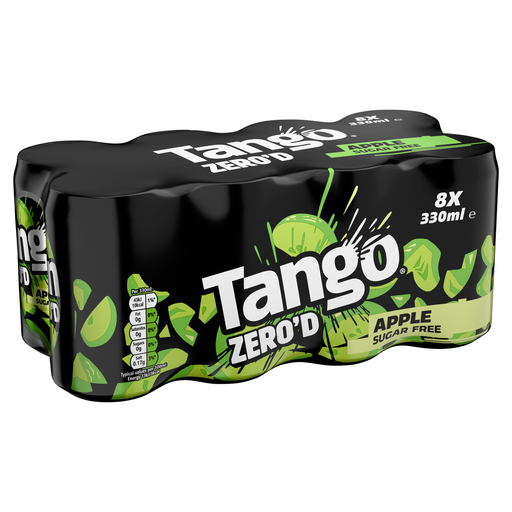
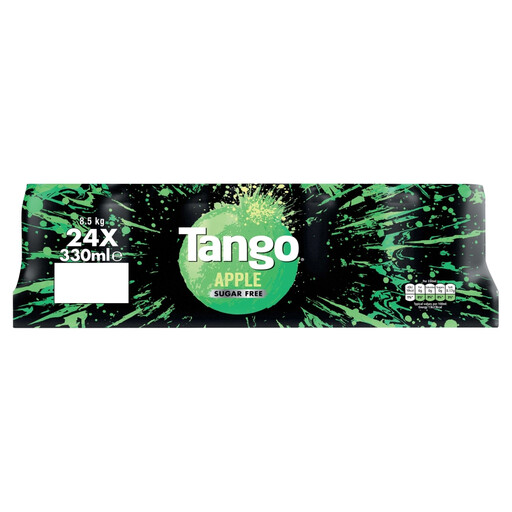
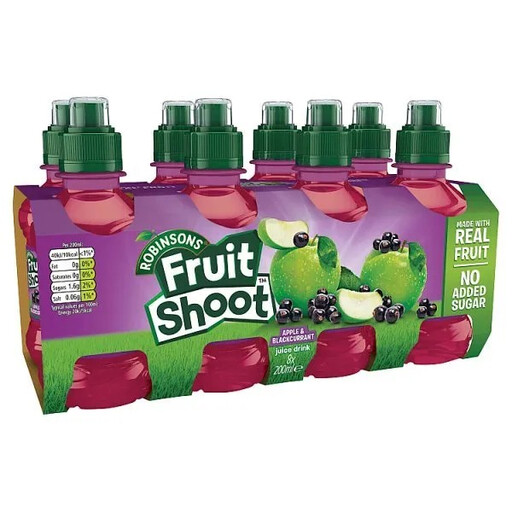
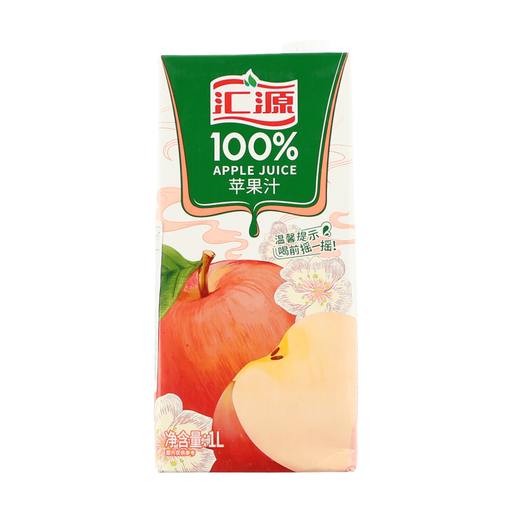
These options cover apple-flavoured sugar-free fizzy drinks, an apple-and-blackcurrant drink in individual bottles, and a shared bottle of apple juice. Check which type your guests want before choosing a pack size.
 No image available
An eight-can option for guests who want an individually served apple-flavoured fizzy drink. This is a sweetened soft drink, not 100% apple juice; check the can if juice content or ingredients matter to your guests.
 No image available
A 24-can format if you want more individual servings of an apple-flavoured fizzy drink. It is a sweetened soft drink rather than 100% apple juice; check the can’s ingredients when planning for guests.
 No image available
Individual bottles offer an apple-and-blackcurrant drink rather than 100% apple juice. The product information warns that caps contain small parts and says it is unsuitable for children under 36 months; read the bottle’s ingredients and warnings before serving.
 No image available
A shared apple-juice bottle for guests who specifically want juice rather than an apple-flavoured soft drink. Check the pack’s sugar information and pour measured servings; the NHS advises limiting fruit juice and smoothies to a combined 150ml a day.
No. Tropicana Orchard Apple and Copella Cloudy Apple each list 15g sugars per 150ml, while Tesco 100% Pressed Apple Juice lists 16.8g per 150ml. Their 100% juice description does not mean they contain no naturally occurring sugar.
Use small glasses if you are serving juice and put water or sugar-free alternatives out for refills. The NHS advises limiting fruit juice and smoothies to a combined 150ml a day.
No. For example, Asda’s Apple & Pear Juice Drink contains water, 6% apple juice, 4% pear juice and sucralose. Read the product name and ingredients if guests have asked for 100% apple juice.
Yes. Asda lists 1.8g sugars per 150ml carton for its no-added-sugar Apple & Pear Juice Drink. Check the nutrition information rather than reading “no added sugar” as “sugar-free”.
Yes. Read the ingredients, nutrition, storage instructions and warnings on the pack you buy, particularly when serving someone with an allergy or another dietary requirement. Retailers including Tesco advise that product information can change.