Runners planning long-run drinks
If you are considering apple juice during a run lasting over an hour, compare its carbohydrate concentration and salt content with the rest of your fuel and fluid plan. A large bottle does not answer those questions.


Choose a measured serving of apple juice around training if it suits your routine, rather than relying on a family bottle as your sole drink during a long run. ASDA’s labelled apple juice contains 12 g carbohydrate and less than 0.01 g salt per 100 ml; for intense exercise lasting over an hour, the American College of Sports Medicine describes drinks containing 4–8% carbohydrate, so plan fuel and fluid for the session rather than judging suitability by bottle size.
The useful choice depends on whether you need a drink for a long run, a serving around training or a bottle for the household.
If you are considering apple juice during a run lasting over an hour, compare its carbohydrate concentration and salt content with the rest of your fuel and fluid plan. A large bottle does not answer those questions.
A measured serving of juice with food before or after a session is a different choice from relying on it throughout a run. Check the nutrition panel for the amount you intend to drink.
If several people will use the juice at home, capacity and post-opening storage matter. The bottle that works for the fridge need not be the drink you carry on a run.
Decide when you intend to drink the juice, then compare the nutrition label and bottle instructions with that use.
| Priority | What to check | Your needs |
|---|---|---|
| Carbohydrate | Read carbohydrate per 100 ml and calculate it for the serving you plan to drink. ASDA lists 12 g per 100 ml for its apple juice; the American College of Sports Medicine describes 4–8% carbohydrate solutions for intense exercise lasting over an hour. | I want to know how much carbohydrate my actual serving provides, rather than treating a family bottle as one serving or assuming juice has the composition of a drink planned for a long run. |
| Fluid and salt | Check salt or sodium on the exact drink label, alongside how you will carry and drink it. ASDA lists less than 0.01 g salt per 100 ml for its apple juice; the Gatorade Sports Science Institute discusses sodium’s role in thirst and fluid retention during exercise. | For a long session, I need a fluid plan that takes the conditions and my tolerance into account. Juice alone should not determine that plan. |
| Bottle and storage | Match capacity to household use and check the post-opening instructions on the bottle. ASDA says to refrigerate its 1 L juice after opening and use it within four days; other products need their own label checked. | A larger bottle is useful if we can store and finish it as directed. I would choose a separate, practical amount to take around training. |
| Sugars | Compare sugars per 100 ml on the exact label. ASDA lists 11 g per 100 ml for its apple juice, and the NHS classifies sugars in unsweetened fruit juice as free sugars. | I want juice to be a deliberate serving, not my default drink whenever I am thirsty. |
ASDA’s apple juice lists 12 g carbohydrate per 100 ml and less than 0.01 g salt per 100 ml. That differs from the 4–8% carbohydrate solutions described by the American College of Sports Medicine for intense exercise over an hour. The Gatorade Sports Science Institute notes that highly concentrated carbohydrate drinks can delay fluid delivery.
For a long or intense session, plan what you will drink and how you will obtain carbohydrate and electrolytes; practise that routine in training rather than relying on the words ‘100% juice’.
A household bottle holds several servings, but its capacity says nothing about the drink’s carbohydrate concentration or electrolyte content. Sainsbury’s lists a Tropicana 1.8 L bottle, while Tesco Groceries, Sainsbury’s and M&S list 1.75 L apple-juice options.
Choose the bottle for home use. If you drink juice around training, measure the amount you intend to have rather than treating the full bottle as a run-day serving.
The NHS counts sugars in unsweetened fruit juice as free sugars. ASDA’s apple juice lists 11 g sugars per 100 ml, so the amount poured matters even when the label describes it as juice.
Check the serving you actually pour and keep routine thirst drinking separate from a decision to have juice around training.
ASDA’s 1 L apple juice says to refrigerate after opening and use within four days. Do not assume that the same period applies to a different bottle.
Check the exact label and consider how much the household will use within its stated period before choosing a larger format.
Juice left unfinished at the end of the bottle’s stated use period may have to be discarded.
These retailer and brand examples help compare bottle formats; they are not a list of drinks formulated for marathon hydration.
Sainsbury’s lists Tropicana Orchard Apple Juice in a 1.8 L bottle. Tropicana describes the juice as 100% pressed and not from concentrate.
Tesco Groceries lists a 1.35 L Copella apple-juice format.
Tesco Groceries lists its own-label Apple Juice in a 1.75 L bottle.
Sainsbury’s lists its own-label 100% Apple Juice, Not From Concentrate, in a 1.75 L bottle.
ASDA’s 1 L Apple Juice label gives figures for carbohydrate, sugars and salt, plus instructions for storage after opening.
M&S lists Pressed Cloudy Apple Juice in a 1.75 L format.
These options cover a smaller apple-juice bottle for measured use around training and a separate drink to consider when planning for longer sessions. Neither is a 2-litre apple-juice bottle.
 No image available
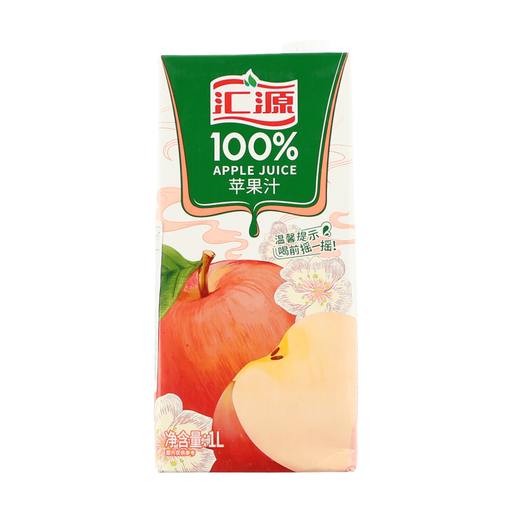
Consider a measured serving around training rather than using apple juice as a sole long-run drink. This is a 1 L bottle, not the 2-litre household size; check its nutrition and post-opening storage labels for your intended use.
 No image available
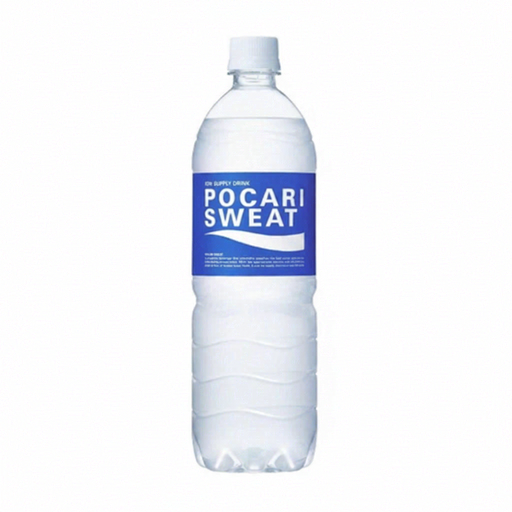
A separate sports-drink option to consider when planning what to carry during a longer session, rather than an apple-juice purchase. Its 900 ml bottle does not set an individual fluid or fuelling target; check the label and practise your plan in training.
Do not assume apple juice can serve as your sole long-run drink. ASDA’s apple juice lists 12 g carbohydrate and less than 0.01 g salt per 100 ml, while the American College of Sports Medicine’s guidance for intense exercise over an hour describes 4–8% carbohydrate drinks. Plan carbohydrate, fluid and electrolytes for the session, and practise what you intend to use.
ASDA’s labelled Apple Juice contains 12 g carbohydrate per 100 ml. That figure applies to that product: check the panel on another bottle and calculate it for the amount you will actually pour.
A short run does not, by itself, give you a reason to buy apple juice as a running drink. The American College of Sports Medicine guidance discussed here concerns intense exercise lasting over an hour; consider your session, conditions and drinking comfort rather than applying its long-session drink range to every run.
Sainsbury’s lists Tropicana Orchard Apple Juice at 1.8 L and its own-label apple juice at 1.75 L; Tesco Groceries and M&S also list 1.75 L apple-juice options. If exactly 2 litres matters, check the capacity on the specific bottle before buying. These catalogue examples do not describe every shop’s range.
Follow the instructions on the bottle you buy. ASDA’s labelled 1 L apple juice says to refrigerate after opening and use within four days; do not apply that period to a different brand or variant without checking its label.