What should you check before ordering?
Decide whether the brief calls for 100% juice or an apple-containing juice drink, then compare sugars at the portion size you intend to serve.
| Priority |
What to check |
Your needs |
| Listed sugars |
Compare sugars per 100ml on the same basis, then check the amount in the planned glass. Tesco lists 2.0g per 100ml for its no-added-sugar apple juice drink; Sainsbury’s lists 9.2g per 100ml for its Pure Apple Juice from concentrate. |
I want guests to be able to distinguish a lower-listed-sugar juice drink from conventional 100% juice without mistaking either for a zero-sugar drink. |
| Ingredients |
Check whether the pack says 100% apple juice or apple juice drink, and read the sweetener declaration. Tesco’s no-added-sugar example contains water, apple juice from concentrate and sucralose. |
For this event, an apple-flavoured drink containing sweetener may be acceptable; for another, guests may expect 100% juice. The service label needs to make that distinction clear. |
| Portions |
Check bottle or carton volume against the pour you plan to offer. Sainsbury’s 6x200ml juice format is individually packed, but each carton is a 200ml portion. The NHS counts sugars in unsweetened fruit juice as free sugars. |
I need to know what guests will actually receive, rather than judging the drink only by its per-100ml nutrition figures. Water gives them a non-juice choice throughout the event. |
| Service and storage |
Check chilling, opening and storage instructions for the exact pack, and count how many portions each opened container will provide. The M&S Apple Juice product page specifies refrigeration at 0°C to +5°C and consumption within five days of opening; other products need their own checks. |
Our service schedule may involve several breaks, so I want a pack format and opening plan that fit the available storage and expected number of pours. |
| Food information |
Compare the delivered pack with the planned menu description, including ingredients, nutrition and allergen information. Food Standards Agency guidance requires food businesses to provide allergen information for prepacked and non-prepacked food and drink. |
Guests may ask what is in each drink. Staff need to identify the packs being served and have accurate information available, rather than relying on a general description of apple juice. |
Brand and retailer references
These named products illustrate different drink types and pack formats; check the exact label before treating another product from the same range as equivalent.
Tropicana
Tropicana describes Orchard Apple as 100% pressed apple juice, not from concentrate. It represents the conventional juice route, not a no-added-sugar juice drink.
- The brand identifies the product as 100% pressed juice.
- For unsweetened fruit juice, the NHS still counts the naturally occurring sugars as free sugars.
Copella
Copella Cloudy Apple is a cloudy apple juice for organisers who want that style of conventional juice.
- Copella lists 10g sugars per 100ml and 15g per 150ml, allowing comparison at a planned serving size.
- Check the chosen pack’s storage instructions and do not present this juice as a zero-sugar option.
Tesco
Tesco No Added Sugar Apple Juice Drink illustrates an apple-containing juice drink with sweetener rather than a 100% apple juice.
- Tesco lists 2.0g sugars per 100ml for this specific drink, compared with Sainsbury’s listed 9.2g per 100ml for its Pure Apple Juice.
- The Tesco drink contains sucralose; check whether a sweetener-containing drink fits the event brief.
Sainsbury’s
Sainsbury’s Pure Apple Juice 6x200ml provides a 100% apple juice from concentrate in individual cartons.
- Sainsbury’s lists 9.2g sugars per 100ml and identifies the carton size as 200ml, making the full-pack portion clear.
- An individual 200ml carton is not the same portion as a measured 150ml pour.
M&S
M&S lists a cloudy, not-from-concentrate apple juice as well as an Apple Juice product with stated chilled-storage instructions. Treat them as distinct products.
- The cloudy product gives organisers a specifically identified not-from-concentrate option.
- The M&S Apple Juice page specifies refrigeration at 0°C to +5°C and consumption within five days of opening; check the instructions on whichever pack is ordered.
Joybuy options for conference service
These options cover a sparkling 100% apple juice, a no-added-sugar blackcurrant-and-apple drink, and an apple juice in a shared 1L format. They serve different briefs, so check whether guests expect still apple juice, a sparkling drink or a mixed-fruit drink.
 Image unavailable
Appletiser 100% Apple Juice Lightly Sparkling 6x250ml
Consider this when the brief calls for individually packed, sparkling 100% apple juice rather than still juice. The title specifies six 250ml bottles; decide whether to serve whole bottles or measured pours, and check the delivered pack’s nutrition and ingredient information.
View on Joybuy
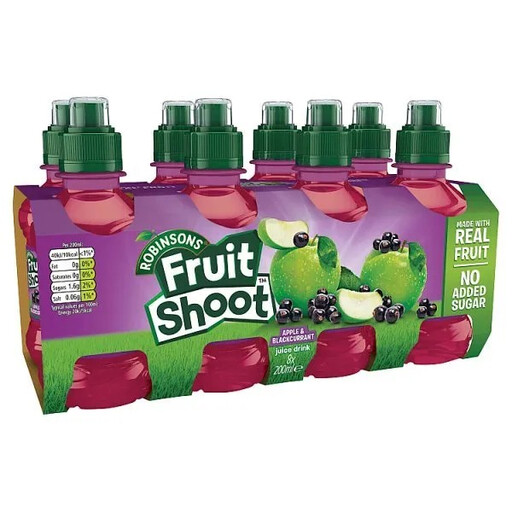 Image unavailable
Fruit Shoot Black & Apple No Added Sugar 8x200ml
Consider this only if a blackcurrant-and-apple drink, rather than apple juice alone, fits the event brief. The title specifies eight 200ml bottles and says ‘no added sugar’; check the delivered pack’s sugars, ingredients and sweetener declaration before describing it to guests.
View on Joybuy
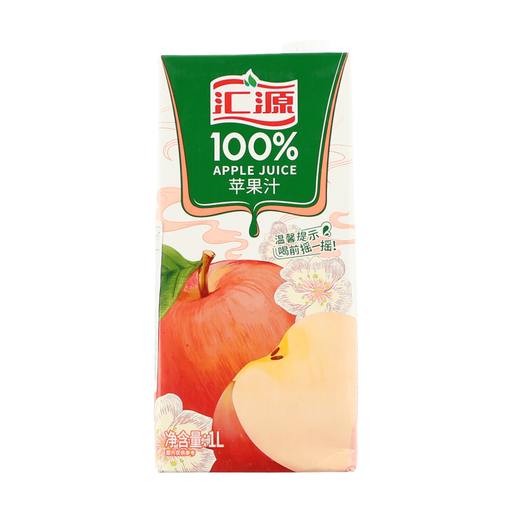 Image unavailable
Huiyuan Apple Juice 1L
The 1L format is an option when staff will pour apple juice from a shared pack rather than hand out individual bottles. Plan the serving size and check the delivered pack for its ingredients, nutrition and post-opening storage instructions.
View on Joybuy
Frequently asked questions
Does ‘no added sugar’ mean an apple drink has zero sugar?
No. Tesco lists 2.0g sugars per 100ml for its No Added Sugar Apple Juice Drink. Check the nutrition panel on the exact pack for total sugars, and read the ingredients to see whether it contains sweetener.
How should 100% apple juice be portioned at a conference?
Choose a measured pour or make the volume of an individual pack clear, rather than treating every pack size as the same serving. The NHS counts sugars in unsweetened fruit juice as free sugars; the sugar amount guests receive depends on how much juice they drink.
Should I serve 100% juice, a no-added-sugar drink, or both?
Serve 100% juice when conventional apple juice is the brief; offer a no-added-sugar juice drink when its listed sugars and ingredients better fit the planned selection. If you offer both, label them separately and provide water, so guests can distinguish juice from a drink that may contain sweetener.
What allergen information is needed for conference drinks?
Food Standards Agency guidance says food businesses must provide allergen information for prepacked and non-prepacked food and drink. Check the delivered products and make accurate information available to the staff serving them and answering guests’ questions.
Is an online listing enough for the final drink description?
Use the delivered pack for the description shown at service. Its ingredient list and nutrition panel identify the particular drink guests will receive, including whether it is 100% juice or a juice drink and what its current sugars declaration says.


