Choose 100% apple juice if an all-fruit juice is the priority; choose a no-added-sugar juice drink if you are willing to consider a different product type, checking its sugars, fruit content and sweeteners rather than assuming it is sugar-free. For a bulk purchase, plan portions and opened-pack use as carefully as the number of cartons: NHS guidance says children and adults should have no more than 150ml of fruit juice and smoothies combined a day.
Who is buying?
Households comparing sugars
If you want an apple-flavoured drink for frequent use, compare sugars on the same serving basis. Read the fruit percentage and ingredients too: a no-added-sugar juice drink is not necessarily sugar-free or made entirely from juice.
Households choosing 100% juice
If an all-fruit apple juice matters most, check the ingredients and whether the juice is from concentrate. Plan servings alongside the NHS guidance of no more than 150ml of fruit juice and smoothies combined a day.
Families buying several cartons
Check where unopened packs need to be stored, how long each carton keeps after opening and how much fridge space is available. Those details help you choose a quantity your household can use.
What should you compare?
100% apple juice
Consider it when: You want a product made wholly from fruit juice, whether pressed or from concentrate.
Trade-off: Fruit juice still contains sugars, so a larger stock does not change the need to plan portions.
No-added-sugar juice drink
Consider it when: You are open to a drink containing water and sweeteners instead of 100% juice.
Trade-off: The claim does not mean zero sugar; compare the nutrition panel and fruit content of the particular drink.
Dilutable apple squash
Consider it when: You want to prepare an apple-flavoured drink by dilution rather than pour a ready-to-drink juice.
Trade-off: Preparation changes the serving being compared; follow the label’s dilution instructions and compare the prepared drink, not the concentrate, with other options.
| Priority | What to check | Your needs |
|---|
| Product type |
Read the product description and ingredients for fruit content, water and sweeteners. Tesco lists 20% apple juice from concentrate and sucralose in its no-added-sugar apple juice drink; Sainsbury's describes its pure apple juice as 100% fruit juice. |
I want to know whether I am stocking up on pure juice, a juice drink or a dilutable squash—not treat them as interchangeable. |
| Sugars |
Compare sugars using the same quantity, such as per 100ml, and check the stated serving size. Do not read “no added sugar” as “zero sugar”. |
If sugars matter to my choice, I need the nutrition panel for the exact drink and the amount I expect to pour. |
| Portions |
Check pack volume against planned servings. NHS guidance sets a combined daily limit of 150ml for fruit juice and smoothies for children and adults. |
Several cartons may suit my household, but buying more juice is not a reason to pour larger daily servings. |
| Storage |
Read the unopened storage instructions, then check refrigeration and use-within directions for each opened pack. Confirm availability when placing a bulk order. |
I need the cartons to fit my cupboard and fridge space, with enough people using each open carton before its labelled period ends. |
| Dilution |
For squash, follow the stated dilution and compare nutrition for the prepared serving. Sainsbury's describes its no-added-sugar apple high-juice squash as a concentrate containing sweetener. |
If I am making drinks from squash, I want a comparison based on what goes into the glass rather than the undiluted bottle. |
Bulk-buying pitfalls
-
Reading “no added sugar” as “zero sugar”
A juice drink can contain sugars from its fruit juice as well as sweeteners. Its label describes a different product from 100% apple juice.
Compare sugars for the same serving quantity, then check fruit content and named sweeteners in the ingredients.
-
Letting carton size decide the serving
A bulk supply makes juice easy to pour frequently. NHS guidance says children and adults should have no more than 150ml of fruit juice and smoothies combined a day.
Plan the number of cartons around the household’s portions, rather than treating an open carton as a serving to finish.
-
Overlooking instructions after opening
Cartons that stay unopened can have different storage needs from cartons already in use.
Check the current label and availability before ordering; open cartons one at a time if that helps your household follow each pack’s refrigeration and use-within instructions.
Opening more cartons than the household can use within their labelled periods can lead to waste.
-
Comparing squash concentrate with ready-to-drink juice
Squash needs dilution, so the concentrate and a prepared glass are not equivalent serving measures.
Follow the dilution directions and compare nutrition for the prepared drink if squash is one of your options.
Brand and retailer references
These examples show why the product label matters more than the brand name when comparing juice with apple-flavoured drinks.
Tropicana
Tropicana describes Orchard Apple as 100% pressed juice, not from concentrate.
- A reference point if pressed, not-from-concentrate apple juice is the product type you want.
- A 100% juice label does not mean sugar-free; check the carton’s nutrition panel and serving size.
Sainsbury's
Sainsbury's lists both pure apple juice made from 100% fruit juice and a no-added-sugar apple-and-pear juice drink with sweeteners.
- The two listings offer a clear way to compare product types within one retailer’s range.
- The apple-and-pear drink is not a like-for-like substitute for pure apple juice; check its ingredients if fruit type matters.
Tesco
Tesco describes its no-added-sugar apple juice drink as containing 20% apple juice from concentrate and sucralose.
- Its ingredient description makes the distinction between juice content and sweetener clear.
- Check current local availability before relying on this particular drink for a bulk order.
Copella
Sainsbury's lists Copella Cloudy Apple Fruit Juice in a 1.35L format.
- Cloudy apple juice and a larger listed format may be relevant if style and carton size shape your choice.
- Use the exact pack’s ingredients and nutrition panel when comparing it with another juice.
M&S
M&S describes cloudy and single-variety options in its apple-juice range.
- Those styles give shoppers a way to narrow a choice by the kind of apple juice they want.
- Check the selected product’s pack size, ingredients and local availability before buying several.
Joybuy product options
These options include a sparkling apple-juice multipack, a 1L apple juice and a sugar-free apple-flavoured multipack. Check which product type and pack size match the drinks you intend to stock.
 Image unavailable
Appletiser 100% Apple Juice Lightly Sparkling 6 x 250ml
The six-can pack suits a purchase of individually packaged sparkling juice. Each can is 250ml, so consider the amount poured against NHS guidance of no more than 150ml of fruit juice and smoothies combined a day.
View on Joybuy
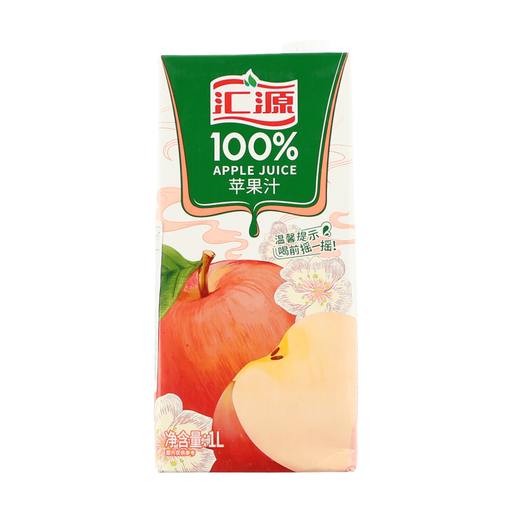 Image unavailable
Huiyuan Apple Juice 1L
The 1L carton is an option if you prefer a larger pack to individual cans. Before buying several, check its current ingredients, nutrition panel and instructions for storing it after opening.
View on Joybuy
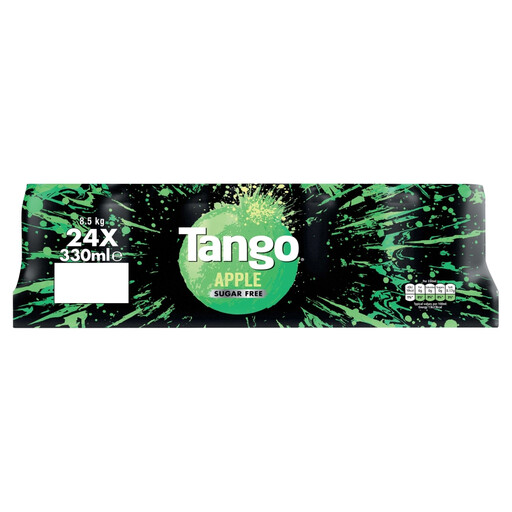 Image unavailable
Tango Apple Sugar-Free 24 x 330ml
This 24-can apple-flavoured option suits stocking individual drinks, but it is a soft drink rather than pure apple juice. Check the current ingredients and nutrition panel if fruit content or sweeteners affect your choice.
View on Joybuy
Common questions
Does “no added sugar” mean an apple juice drink has no sugar?
No. The claim does not rule out sugars from fruit juice. Check the nutrition panel for sugars in the amount you will drink, and read the ingredients for fruit content and sweeteners.
Is 100% apple juice the right choice if I am comparing sugars?
Not on the strength of its 100% label alone: fruit juice still contains sugars. Compare nutrition panels on the same serving basis. NHS guidance says children and adults should have no more than 150ml of fruit juice and smoothies combined a day.
How should I decide how many cartons to buy?
Start with the household’s planned servings and how quickly it uses an opened carton. Check each product’s refrigeration and use-within instructions, then choose a quantity that fits the available storage space.
What should I check if allergens affect my choice?
Read the current pack’s ingredients and allergen information for the exact drink. GOV.UK guidance says that prepacked food or drink containing any of the 14 listed allergens must clearly identify them; do not assume a juice drink or squash has the same ingredients as pure apple juice.


