Travellers having apple juice with food
A sealed pack can accompany a sandwich or snack. Check its storage instructions, serving size and sugars per pack rather than assuming a single carton matches the amount you intend to drink.


For apple juice with train food, choose a sealed pack labelled for ambient storage if it needs to travel unopened without refrigeration, and check how much you plan to drink: the NHS advises limiting fruit juice and smoothies to 150ml a day and having them with a meal. A no-added-sugar apple juice drink is not necessarily 100% juice or sugar-free; for a strict zero-sugar requirement, consider water or a suitable sugar-free drink instead.
A sealed pack can accompany a sandwich or snack. Check its storage instructions, serving size and sugars per pack rather than assuming a single carton matches the amount you intend to drink.
Compare 100% apple juice with apple juice drinks. A drink labelled no added sugar can still contain naturally occurring sugars, less fruit juice and sweeteners; it is not automatically a zero-sugar version of pure juice.
If you prefer pressed or not-from-concentrate juice, check the exact product’s nutrition and storage label too. The processing description alone does not establish its sugar content or whether it can travel without cooling.
Start with the drink type and sugar label, then match the portion and storage instructions to the journey. A smaller-looking pack is not necessarily a 150ml serving.
| Priority | What to check | Your needs |
|---|---|---|
| Sugars | Compare sugars per 100ml and for the amount you will drink. The NHS counts sugars in unsweetened fruit juice as free sugars. | I want apple flavour but need to distinguish a lower-sugar drink from a product that actually contains zero sugar. |
| Juice content | Read the product name and ingredients for the juice percentage and any sweeteners. Tesco lists its Growers Harvest No Added Sugar Apple Juice Drink as 50% apple juice, with sucralose. | If I specifically want 100% apple juice, I cannot treat a no-added-sugar juice drink as the same product. |
| Portion | Check the pack volume against the amount you intend to have. The NHS advises no more than 150ml of fruit juice and smoothies a day, with a meal; Sainsbury’s lists 18.4g sugars in each 200ml Pure Apple Juice carton. | A sealed carton suits my train meal, but I do not want its packaging to decide my serving for me. |
| Storage | Read the unopened and after-opening instructions. Sainsbury’s says to store its Pure Apple Juice cartons in a cool, dry place before opening; Tesco says to keep its 100% Pressed Apple Juice refrigerated. | Will I have somewhere to keep a chilled drink cold, or do I need an unopened pack that can travel without refrigeration? |
| Juice style | Compare the same per-100ml measure rather than assuming pressed juice contains less sugar. Tropicana and Copella each list 10g sugars per 100ml for the cited pressed juices; Sainsbury’s lists 9.2g per 100ml for its cited juice from concentrate. | I may prefer cloudy, pressed or from-concentrate juice, but I want the nutrition label to settle a sugar comparison. |
Unsweetened fruit juice still contains sugars that the NHS counts as free sugars. A no-added-sugar juice drink can also contain fruit sugars while using less juice and adding sweetener.
Check sugars per 100ml, the juice percentage and the ingredients. If zero sugar is essential, confirm that claim on the exact drink rather than relying on ‘no added sugar’.
Sainsbury’s 200ml Pure Apple Juice carton is larger than the NHS general daily guide of 150ml for fruit juice and smoothies.
Decide how much juice to have with your meal before opening the pack, and take another drink if you need something for the rest of the journey.
Tesco labels its 100% Pressed Apple Juice for refrigerated storage, while the cited Sainsbury’s long-life cartons can be kept in a cool, dry place before opening.
Check the exact storage wording. If choosing a chilled product, arrange appropriate cooling rather than assuming every sealed juice pack is stored the same way.
Pressed and from-concentrate juices have different stated processing methods, but the description alone does not establish which has less sugar.
Compare nutrition panels per 100ml and for your intended serving, then make a separate choice about juice style and storage.
These examples illustrate different labels and pack formats; check the exact product rather than applying one product’s details to a whole range.
Tropicana describes its Orchard Apple juice as 100% pressed and not from concentrate.
Copella lists Cloudy Apple as pressed apple juice with vitamin C, in 250ml, 300ml and larger bottles.
Tesco’s cited products show why 100% pressed juice and a no-added-sugar apple juice drink need separate comparisons.
The cited Sainsbury’s products include long-life juice from concentrate and chilled juice that is not from concentrate.
ASDA’s cited listing is for Tropicana Pressed Apple Fruit Juice in a 900ml carton, rather than an ASDA own-label juice.
M&S lists several apple juice styles, including a 200ml apple juice and cloudy and pressed options.
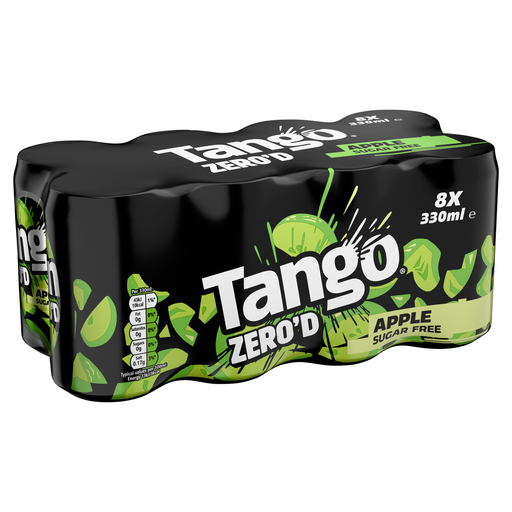
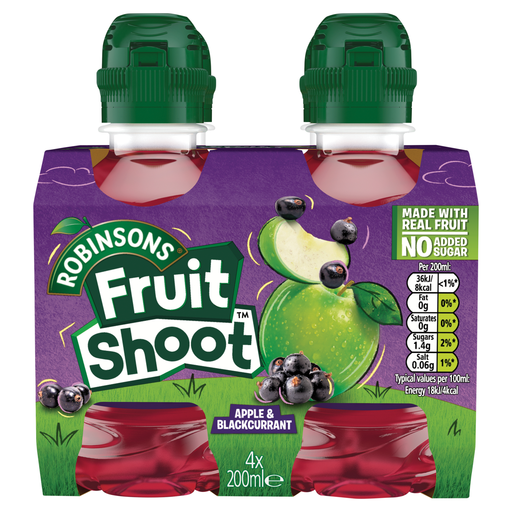
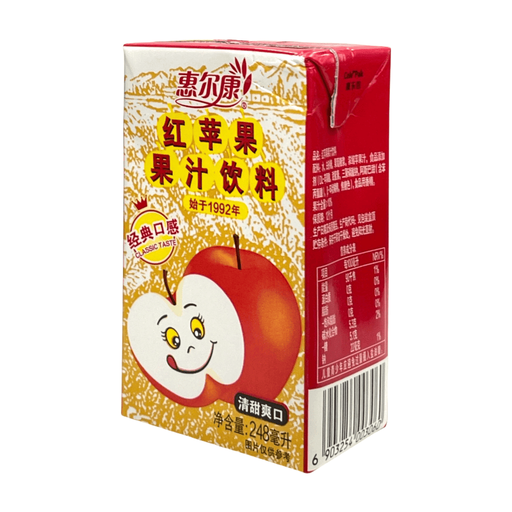
These options cover an apple-flavoured sugar-free soft drink, mixed-fruit and apple juice drinks, and a sparkling 100% apple juice. Check the drink type as well as the pack size: they are not interchangeable versions of pure apple juice.
 No image available
Consider this apple-flavoured soft drink when the requirement is sugar-free rather than 100% apple juice. Check the juice percentage and sweeteners on the label before choosing it as a juice alternative.
 No image available
The 200ml bottles offer a smaller pack to carry with food, but this is an apple-and-blackcurrant drink, not pure apple juice. Check its sugars and ingredients if you are choosing it for a lower-sugar requirement; keep the small caps away from children under 36 months.
 No image available
This carton is an apple juice drink rather than a product named 100% apple juice. Check its ingredients before choosing it for a no-added-sugar requirement, and consider whether you intend to drink the full 248ml with your meal.
 No image available
This lightly sparkling option is labelled 100% apple juice. A full 250ml can exceeds the NHS general 150ml daily guide for fruit juice and smoothies, so consider the amount you plan to have with food.
No. Tropicana and Copella each list 10g sugars per 100ml for the cited 100% apple juices, and Sainsbury’s lists 9.2g per 100ml for its cited Pure Apple Juice. The NHS counts sugars in unsweetened fruit juice as free sugars.
No. Tesco describes its Growers Harvest No Added Sugar Apple Juice Drink as 50% apple juice from concentrate, with water and sucralose among its ingredients. Read the juice percentage and nutrition label separately from the no-added-sugar wording.
The NHS advises limiting fruit juice and smoothies to one small glass of no more than 150ml a day and having it with a meal. A 200ml juice carton is larger than that amount even if sold as a single pack.
An unopened product labelled for cool, dry or ambient storage can travel without refrigeration before opening. Sainsbury’s gives that instruction for its cited 200ml Pure Apple Juice cartons, whereas Tesco says to keep its cited 100% Pressed Apple Juice refrigerated. Follow the instructions on the exact pack.
Check its after-opening instructions before relying on it for the trip. The cited Sainsbury’s juices require refrigeration after opening, so a long-life unopened pack should not be treated as suitable for unrefrigerated storage once opened.