What should a canteen buyer check?
Decide whether fruit-juice content, a lower sugar figure or zero sugars matters most, then check serving size and the current pack label.
100% apple juice
Choose when: The lunch offer specifically calls for juice made entirely from fruit juice.
Bear in mind: Even unsweetened juice contains free sugars, and larger bottles need portioning.
Diluted apple-based drink
Choose when: Reducing total sugars matters more than offering 100% apple juice, after comparing labels on the same basis.
Bear in mind: No added sugar does not mean zero sugars, and the drink may contain water and other fruit juices.
Water or a sugar-free drink
Choose when: Someone needs a drink with zero sugars rather than a serving of fruit juice.
Bear in mind: An apple-flavoured alternative is not necessarily apple juice; check its label for its ingredients and sugar declaration.
| Priority |
What to check |
Your needs |
| Total sugars |
Read the total sugars figure, not just a no-added-sugar claim. Compare products using the same stated unit and serving amount; a figure per 100g is not automatically a figure per 100ml. |
If I am choosing a drink with less sugar at lunch, I want a like-for-like comparison before deciding. The NHS classifies sugars in unsweetened fruit juice as free sugars. |
| Juice content |
Check the ingredients and fruit-juice percentage. Tropicana describes Orchard Apple as 100% pressed apple juice; Marks & Spencer lists 67% apple juice, water and 7% blackcurrant juice in its Apple and Blackcurrant Juice Drink. |
A drink made entirely from apple juice matters to me more than an apple-based drink diluted with water. |
| Serving size |
Check the volume that staff will pour or supply. Department of Health and Social Care guidance limits fruit juice and smoothies to a combined 150ml a day; a larger bottle is not a single 150ml portion. |
At a self-service counter, I want a clear portion rather than an unrestricted refill. |
| Zero sugars |
For a strict zero-sugar requirement, check the nutrition declaration on the current pack. Do not treat “no added sugar” as a zero-sugar statement. |
I need a drink with no sugars, so water or a clearly labelled sugar-free alternative suits that requirement better than fruit juice. |
| Service details |
Check the current pack for ingredients, allergen information, storage directions and instructions after opening. |
For a shared canteen fridge, I need staff to know how to store and serve the drink on hand. |
Brand and product-line references
These product lines illustrate the difference between 100% juice and diluted juice drinks; their inclusion does not establish current stock.
Tropicana
Orchard Apple is a reference point for a measured serving of 100% pressed apple juice.
- Tropicana identifies Orchard Apple as 100% pressed, not-from-concentrate juice and lists 15g sugars per 150ml.
- It is not a zero-sugar option; the NHS counts sugars in unsweetened fruit juice as free sugars.
Copella
Cloudy Apple offers a pressed-apple-juice example in several bottle sizes.
- Copella lists pressed apple juice and 15g sugars per 150ml for Cloudy Apple.
- Its listed 250ml, 300ml, 900ml and 1.35L bottles need portioning if the canteen serves juice within the combined 150ml daily amount in Department of Health and Social Care guidance.
M&S
Marks & Spencer provides examples of both cloudy apple juice and a diluted, no-added-sugar apple-and-blackcurrant drink.
- Marks & Spencer lists 7.4g sugars per 100g and 67% apple juice for its Apple and Blackcurrant Juice Drink.
- That drink contains water and blackcurrant juice, so it is not interchangeable with 100% apple juice when fruit content is the requirement.
Tesco
Tesco’s apple-juice listing provides a reference for comparing own-label and branded product descriptions.
- The Tesco Groceries listing includes Tesco 100% Pressed Apple Juice alongside Tropicana and Copella products.
- Check the current product page and pack before planning service, as the listing showed its Tesco 100% Pressed Apple Juice as out of stock when accessed.
Joybuy drink options for canteen lunches
These options include apple-flavoured alternatives and apple juice for measured service. Check each pack against the canteen’s fruit-content and sugar requirements rather than treating them as equivalent drinks.
 No image available
Tango Apple Sugar-Free, 24 × 330ml cans
An individually canned apple-flavoured alternative for a canteen that also offers drinks other than 100% juice. The product is sold as 24 cans of 330ml; check the current pack’s sugar declaration, juice content and sweeteners before service.
View on Joybuy
 No image available
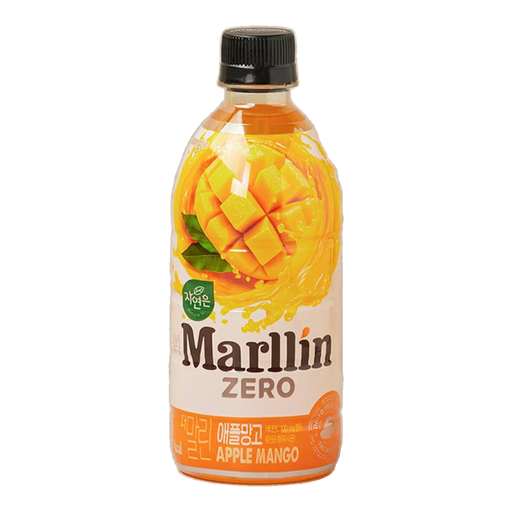
Nature's Marllin Applemango Zero PET 500ml
This 500ml apple-mango drink is an alternative to 100% apple juice for individual service. If zero sugars are required, confirm the nutrition declaration on the current pack; also check its ingredients and allergen information before serving.
View on Joybuy
 No image available
Appletiser 100% Apple Juice Lightly Sparkling, 6 × 250ml
This lightly sparkling 100% apple-juice option comes in six 250ml bottles. A whole bottle exceeds the combined 150ml daily fruit-juice-and-smoothie amount in Department of Health and Social Care guidance, so plan how it will be portioned.
View on Joybuy
 No image available
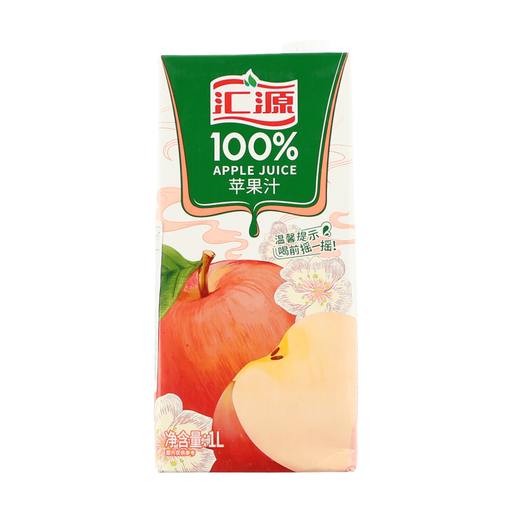
Huiyuan Apple Juice 1L
The 1L format is a bottle to portion for canteen service, rather than a single lunch serving. Check the current pack for its juice ingredients, total sugars and storage directions; the NHS counts sugars in fruit juice as free sugars.
View on Joybuy
Questions about serving apple drinks
Does “no added sugar” mean an apple drink is sugar-free?
No. Marks & Spencer labels its Apple and Blackcurrant Juice Drink no added sugar but lists 7.4g sugars per 100g. Check total sugars on the nutrition panel when choosing a drink for a zero-sugar requirement.
How much 100% apple juice should a canteen serve at lunch?
Serve a measured portion of around 150ml. Public Health England’s catering guidance uses 150ml, or as close as possible, for pure fruit juice; Department of Health and Social Care guidance limits fruit juice and smoothies to a combined 150ml a day.
Is a whole 250ml or 300ml juice bottle one 150ml portion?
No. Copella lists Cloudy Apple in both bottle sizes, and drinking either bottle in full exceeds the combined 150ml daily amount for fruit juice and smoothies in Department of Health and Social Care guidance. A measured cup or clear portion information can help with service.
Should apple juice be the canteen’s zero-sugar drink?
No. The NHS counts sugars naturally present in unsweetened fruit juice as free sugars. Offer water or a drink whose current label confirms zero sugars when that is the requirement, while keeping 100% juice as a separate, portioned choice.
What should staff check after opening a carton or bottle?
Follow the storage and after-opening instructions on the pack being served. Staff should also check its current ingredients and allergen information rather than relying on a different product’s label or an older online description.


