Offer 100% apple juice if guests expect genuine juice, but do not present it as a sugar-free choice: Tropicana, Copella and Sainsbury's list 9.2–10g sugars per 100ml for the examples considered here. For guests seeking less sugar or none, label a juice drink or apple-flavoured soft drink as a separate option and check its ingredients, including sweeteners. If serving juice, consider the 150ml glass used in NHS and Food Standards Scotland guidance rather than assuming a full carton or can is one small serving.
Who is choosing the drinks?
Hosts serving genuine juice
If you want guests to recognise the drink as 100% apple juice, plan how it will be poured and offer a distinct alternative for anyone who does not want juice. A no-added-sugar label does not mean the juice contains no sugar.
Hosts offering different sugar options
Check whether guests need a drink with less labelled sugar than pure juice or one labelled sugar-free. A juice drink and an apple-flavoured soft drink are different from 100% apple juice, so name each clearly on the buffet.
Venue and catering teams
Choose packs that suit self-service or staffed pouring, follow opened-pack storage instructions and keep accurate ingredient and allergen information accessible when drinks are decanted.
What should you check before ordering?
Decide whether the drink must be genuine juice, lower in labelled sugar or sugar-free; then check the serving format and how it will be stored and identified at the buffet.
100% apple juice
Choose when: Guests expect apple juice and you can offer a modest pour alongside other drinks.
Bear in mind: Tropicana and Copella each list 15g sugars per 150ml; no added sugar does not mean sugar-free.
No-added-sugar juice drink
Choose when: An apple-style still drink matters more than offering 100% juice.
Bear in mind: ASDA's Apple & Pear Juice Drink lists 1.8g sugars per 150ml and contains sucralose; it is not pure apple juice or sugar-free.
Sugar-free apple-flavoured soft drink
Choose when: A sugar-free option is needed and a fizzy drink is acceptable.
Bear in mind: ASDA lists 0g sugars per 330ml can for Tango Zero'd Apple, which contains sweeteners and is not apple juice.
| Priority | What to check | Your needs |
|---|
| Drink type |
Read the product description and ingredients: 100% juice, juice drink and apple-flavoured soft drink are not interchangeable. Compare labelled sugars using the same serving quantity. |
I want guests to know which drink is genuine apple juice and which is a separate option with less or no labelled sugar. |
| Juice portion |
Check the pack volume against the 150ml glass in NHS and Food Standards Scotland fruit-juice guidance. A 200ml carton or 250ml can is a larger serving. |
A smaller juice pour would let guests take a glass without treating every unopened pack as a 150ml portion. |
| Service and storage |
Choose between individual packs and shared bottles, then check each product's storage instructions before and after opening. |
Will drinks be left for self-service, or can the venue keep opened juice refrigerated and pour it for guests? |
| Clear drink information |
Keep packs or an accurate drinks list available when drinks are decanted. Check ingredients, sweeteners and allergen information for each product. |
Guests should be able to identify what is in a drink before taking an unlabelled glass. |
Buffet choices to watch for
-
Reading “no added sugar” as “sugar-free”
Tropicana and Copella each list 15g sugars per 150ml of their pressed apple juices. The absence of added sugar does not remove sugar naturally present in juice.
Label pure juice as juice. If offering a no-added-sugar juice drink or sugar-free soft drink, name it separately and check whether it contains sweeteners.
-
Offering juice as the only non-alcoholic drink
The NHS and Food Standards Scotland advise limiting fruit juice and smoothies to one small 150ml glass a day because of their free sugars.
Make water easy to find and offer a separate drink choice for guests who do not want juice. Smaller glasses or a measured pour can help distinguish a juice serving from a larger drink.
-
Choosing packs without checking the pour
Sainsbury's 200ml juice cartons exceed the 150ml glass used in that guidance. Opened bottles also have product-specific refrigeration and use instructions.
Decide whether guests will take whole packs or be served smaller pours. For opened juice, follow the instructions on the particular pack throughout service.
-
Decanting drinks and losing their labels
Once a drink is in an unmarked dispenser, guests cannot check its ingredients from the container. This matters when juice drinks or soft drinks contain sweeteners.
Keep the original packs or an accurate drinks sheet accessible to the catering team, and label dispensers so guests can tell the drinks apart.
Brand and own-label references
These examples illustrate different drink types and pack formats; check the label of the exact product ordered.
Tropicana
Tropicana's pressed apple juice is a 100% juice, not from concentrate, sold in a 900ml pack.
- Tropicana lists 10g sugars per 100ml and 15g per 150ml.
- Tesco's product information says to refrigerate it after opening and consume it within five days; it is not a sugar-free drink.
Copella
Copella Cloudy Apple is a pressed apple juice for hosts who want a cloudy juice option.
- Copella lists 10g sugars per 100ml and 15g per 150ml.
- Its stated 150ml sugar quantity is the same as Tropicana's cited pressed apple juice, not a reason to choose it for less sugar.
Sainsbury's
Sainsbury's Pure Apple Juice is 100% juice from concentrate in 200ml cartons.
- Individual cartons can be handed out without pouring from a shared bottle.
- Sainsbury's lists 18.4g sugars per 200ml carton; one carton is larger than the 150ml juice glass in NHS guidance.
ASDA
ASDA's Apple & Pear Juice Drink is a no-added-sugar flavoured juice drink in a 150ml carton.
- ASDA lists 1.8g sugars per carton.
- Its ingredients include 6% apple juice, 4% pear juice and sucralose, so it must not be labelled as 100% apple juice or sugar-free.
M&S
M&S Pressed Cloudy Apple Juice comes in a 1.75L carton for a buffet serving juice by the glass.
- The larger carton allows staff to pour individual servings.
- M&S lists 10.6g sugars per 100g and instructs customers to keep it at 0°C to +5°C and drink it within four days of opening.
Joybuy apple-drink options
These options cover a labelled sugar-free apple soft drink, a sparkling 100% apple juice and a no-added-sugar mixed-fruit drink. Check the exact product label before assigning any of them a place on the buffet drinks list.
 No image available
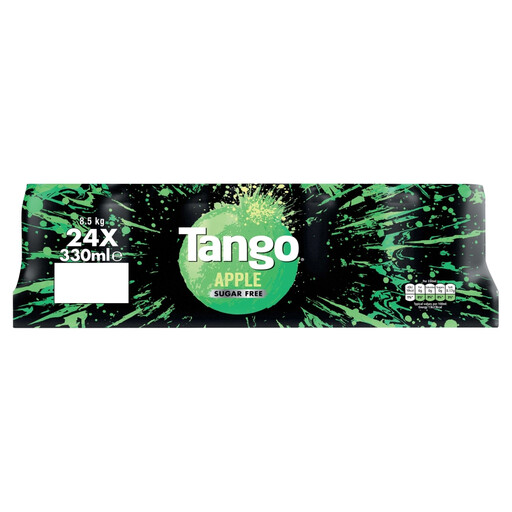
Tango Apple Sugar-Free Cans, 24 × 330ml
An individually packed, labelled sugar-free apple drink to list separately from apple juice at a self-service buffet.
The pack contains 24 cans of 330ml each. Check the can's ingredients and nutrition label when describing it to guests.
View on Joybuy
 No image available
Appletiser 100% Apple Juice Lightly Sparkling, 6 × 250ml
This is a sparkling apple-juice choice for guests who want juice rather than a sugar-free soft drink.
The pack contains six 250ml cans. A whole can exceeds the 150ml juice glass referenced in NHS guidance; check the can's nutrition label before describing its sugar content.
View on Joybuy
 No image available
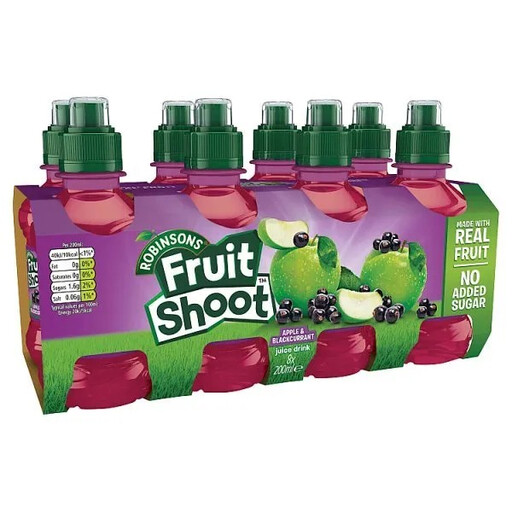
Fruit Shoot Black & Apple No Added Sugar, 8 × 200ml
This individually bottled apple-and-blackcurrant drink is an alternative for guests who prefer a no-added-sugar drink rather than pure apple juice.
The pack contains eight 200ml bottles; no added sugar does not mean sugar-free. The product description warns that the caps contain small parts and that the drink is unsuitable for children under 36 months.
View on Joybuy
Wedding buffet drink questions
Can 100% apple juice be the sugar-free option?
No: the 100% apple juices listed by Tropicana, Copella and Sainsbury's contain 9.2–10g sugars per 100ml. If you also offer an apple-flavoured drink labelled sugar-free, identify it separately as a soft drink and check its ingredients for sweeteners.
Is a no-added-sugar apple drink the same as pure juice?
Not necessarily. ASDA's Apple & Pear Juice Drink contains water, 6% apple juice, 4% pear juice and sucralose; it is a juice drink, not 100% apple juice, and lists 1.8g sugars per 150ml carton.
What size glass should we use for apple juice?
A 150ml glass gives guests the small juice serving referenced in NHS and Food Standards Scotland guidance, which advises no more than one such glass of fruit juice or smoothies a day. If supplying sealed cartons or cans instead, check their full volume rather than assuming each is 150ml.
How can a caterer identify decanted drinks for guests?
Label each dispenser and keep its original pack or an accurate drinks sheet accessible, so ingredients and allergen information can be checked before a guest chooses. Include the product's actual name rather than calling every apple-flavoured option apple juice.


