Portion-conscious juice drinkers
If you want apple juice with a meal during TV time, a glass makes a 150ml serving easier to see than drinking from a large carton. The NHS advises no more than one 150ml glass of fruit juice or smoothies a day.


If you want apple juice with a meal, pour a measured 150ml serving rather than treating the bottle as an all-evening drink. The NHS advises limiting fruit juice and smoothies to one 150ml glass a day and having it with a meal; Tropicana Orchard Apple and Copella Cloudy Apple each list 15g sugars in that amount. If your main aim is to sip an apple-flavoured drink through a TV night without the sugars in juice, compare drinks labelled sugar-free and check their nutrition panels rather than assuming “no added sugar” means zero sugar.
If you want apple juice with a meal during TV time, a glass makes a 150ml serving easier to see than drinking from a large carton. The NHS advises no more than one 150ml glass of fruit juice or smoothies a day.
If you want something to sip over a longer evening, distinguish 100% apple juice from apple-flavoured soft drinks. Check the “of which sugars” value on the nutrition panel, even when the front of the pack says “no added sugar”.
A larger pack may suit several people, provided it can be refrigerated and used within its stated period after opening. Compare the pack size and storage instructions before choosing it for an occasional TV night.
Choose the type of drink first, then compare sugar figures on the same per-100ml basis and consider how much you will pour.
Choose it when: You want 100% apple juice with a meal and will pour a 150ml glass.
Bear in mind: The NHS limits fruit juice and smoothies to one 150ml glass a day because they are high in sugar.
Choose it when: You prefer a drink made by diluting an apple-based product rather than pouring 100% juice.
Bear in mind: “No added sugar” does not mean zero total sugars; the M&S Apple and Mango High Juice also contains sucralose and sulphites, according to M&S.
Choose it when: An apple-flavoured drink for a longer TV session matters more to you than having apple juice.
Bear in mind: It is a different type of drink, so check its ingredients and nutrition panel rather than treating it as a juice serving.
| Priority | What to check | Your needs |
|---|---|---|
| Sugar and serving | Compare “of which sugars” per 100ml and the amount you intend to pour. The NHS advises no more than one 150ml glass of fruit juice or smoothies a day, with a meal. | I want apple juice with my meal, but I do not want a large bottle to turn one glass into several servings. |
| Type of drink | Check whether the pack says 100% juice, high juice or soft drink. For a high juice, read the dilution directions as well as the nutrition panel. | If I mainly want apple flavour while watching TV, a drink other than 100% juice may suit that plan. |
| Ingredients | Read the ingredients and allergen information, including any sweeteners. M&S lists sucralose and sulphites in its Apple and Mango High Juice. | I want to know what is in an apple-based alternative before making it my regular evening drink. |
| Juice style | Check whether a juice is pressed, cloudy or from concentrate; compare sugar figures separately rather than using its style as a substitute for the nutrition panel. | I have a preference for a particular apple-juice style, but I still want to compare what each pack declares. |
| Pack size and storage | Check the volume, refrigeration instructions and use-within period on the exact pack. ASDA says its 1L Apple Juice from Concentrate is best within four days of opening. | A large carton suits us only if we can use the remainder within the period on its label. |
Tropicana Orchard Apple and Copella Cloudy Apple each list 15g sugars per 150ml. The NHS advises limiting fruit juice and smoothies to one 150ml glass a day because they are high in sugar.
If you choose juice, pour a measured glass and have it with a meal. If avoiding those sugars is the priority, compare sugar-free drinks instead.
An apple-based drink can contain sugars from its fruit ingredients even if no sugar has been added.
Read the exact claim alongside “of which sugars” per 100ml so that you compare the total sugar in the drinks you are considering.
ASDA says its checked 1L apple juice is best within four days of opening; Morrisons gives five days for its checked 1L Apple Juice From Concentrate. A partly used carton may otherwise be wasted.
Check the instructions on the pack you buy and choose a size your household can use within that period.
M&S lists sucralose and sulphites in its Apple and Mango High Juice, which is not the same product type as plain 100% apple juice.
Read the current ingredients and allergen statement, particularly if you avoid either ingredient.
Tropicana Orchard Apple is a pressed apple-juice option.
Copella Cloudy Apple offers a cloudy apple-juice style.
Tesco Pure Apple Juice is an apple-juice-from-concentrate option.
ASDA Apple Juice from Concentrate is a 1L carton to consider for shared servings.
M&S lists apple juices as well as Apple and Mango High Juice, a separate type of drink.
These options include apple-flavoured soft drinks for those choosing an alternative to juice, followed by apple juices for a measured serving. Check each pack’s nutrition and ingredients against the type of drink you want.
 No image available
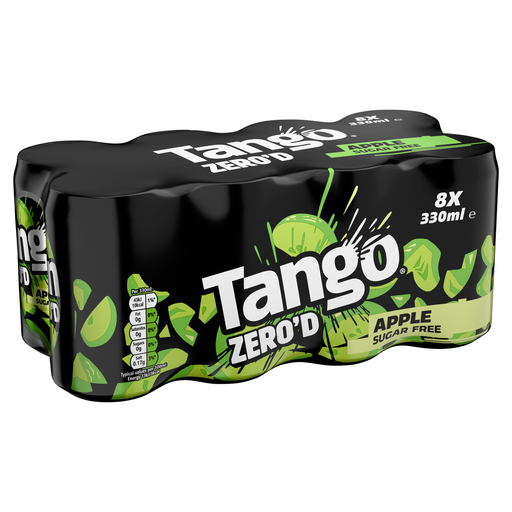
An apple-flavoured soft-drink option if you want something other than a 100% apple-juice serving. The pack contains eight 330ml drinks; check the ingredients if you avoid sweeteners.
 No image available
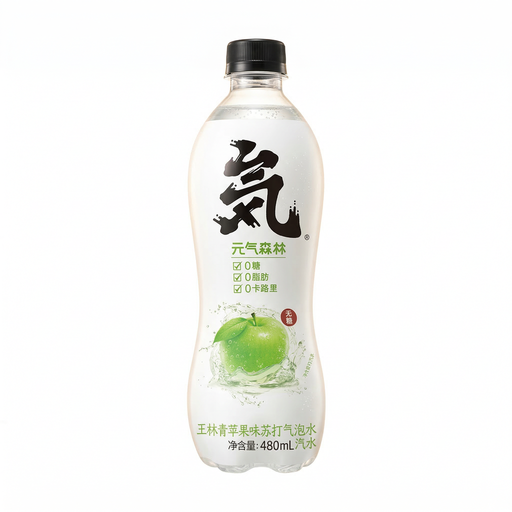
A green-apple-flavoured sparkling drink rather than apple juice. If you are choosing it specifically for a sugar-free claim, compare that claim with the full nutrition declaration on the current pack.
 No image available
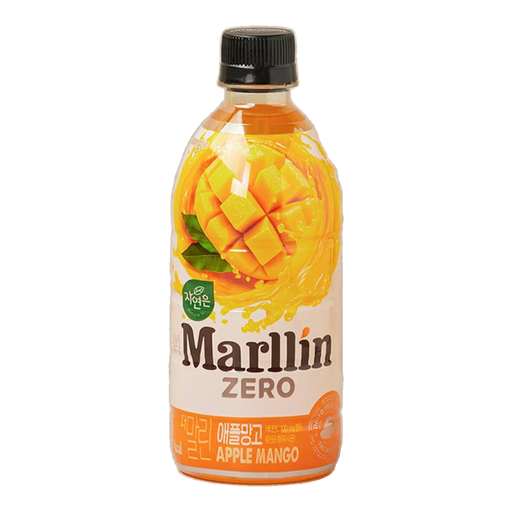
A 500ml zero-labelled drink to consider instead of apple juice. Check the current pack for its exact flavour, ingredients and allergen information before choosing it.
 No image available
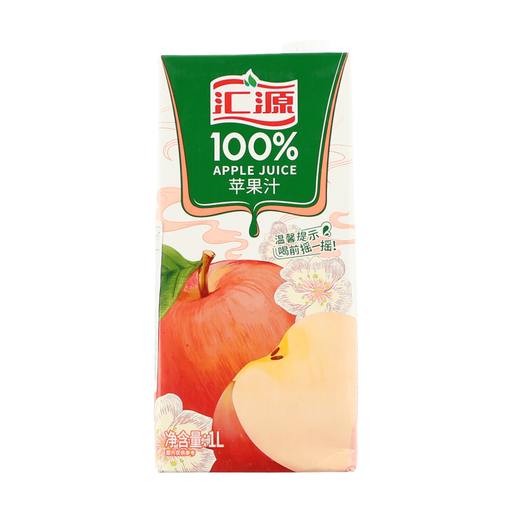
A 1L apple juice for pouring into a glass rather than drinking directly from the pack. If buying it for an occasional serving, check the sugar declaration and after-opening storage instructions on the pack.
 No image available
A lightly sparkling apple juice if you prefer that style. Each 250ml pack unit is larger than the NHS’s recommended maximum daily 150ml glass of fruit juice, so measure a serving rather than treating one unit as the suggested portion.
The NHS advises limiting fruit juice and smoothies to a maximum of one small 150ml glass a day and having it with a meal. Pouring it into a glass helps you see the amount, particularly when the juice comes in a larger carton.
No. An apple-based drink can have no added sugar while still containing sugars from its fruit ingredients. Check “of which sugars” per 100ml on the nutrition panel rather than relying on the front-of-pack wording alone.
Tropicana Orchard Apple and Copella Cloudy Apple each list 15g sugars per 150ml; Tesco Pure Apple Juice lists 16.7g, and ASDA Apple Juice from Concentrate lists 17g for the same volume. Those are figures for the named products, so check the current pack when buying a different variant.
Follow that carton’s storage instructions. ASDA says its checked 1L Apple Juice from Concentrate should be refrigerated and is best within four days of opening; Morrisons gives five days for its checked 1L Apple Juice From Concentrate.
Check the fruit content, dilution directions, nutrition panel, ingredients and allergen statement. M&S describes its Apple and Mango High Juice as made with 50% fruit juice and lists sucralose and sulphites, so it should not be treated as plain 100% apple juice.