People who prefer a measured juice serving
If you want apple juice with a quick lunch, check how much you pour rather than treating a bottle as one serving. The NHS advises no more than 150ml of fruit juice and smoothies a day, with a meal.


Choose a measured serving of 100% apple juice with lunch if you want juice and its sugars fit your eating plan; the NHS advises limiting fruit juice and smoothies to 150ml a day and having them with a meal. If avoiding sugar is the priority, check a drink’s nutrition panel rather than assuming “no added sugar” means sugar-free. Choose a whole apple instead when you want the fibre that juice does not retain in the same way.
If you want apple juice with a quick lunch, check how much you pour rather than treating a bottle as one serving. The NHS advises no more than 150ml of fruit juice and smoothies a day, with a meal.
Read the nutrition panel for the amount you will drink. A 100% apple juice can contain naturally occurring sugars even when no sugar has been added; it is not the same choice as a drink labelled sugar-free.
Diabetes UK explains that sugars in fruit juice count as free sugars. Check any juice serving against your own carbohydrate plan and your diabetes team’s advice; general desk-lunch guidance cannot set an individual portion.
Choose it when: You want 100% juice with lunch and can account for its sugars.
The trade-off: The NHS advises a 150ml daily limit for juice and smoothies, even when the bottle contains more.
Choose it when: Avoiding sugar in your lunch drink matters more than choosing 100% juice.
The trade-off: It is a different product category; “no added sugar” on a juice does not establish that it is sugar-free.
Choose it when: You want fruit to eat with lunch and fibre matters to your choice.
The trade-off: It does not replace a drink, so bring water or another drink if you need one.
| Priority | What to check | Your needs |
|---|---|---|
| Sugars in your serving | Compare “of which sugars” per 100ml, then consider the amount you will actually drink. Check the ingredient list as well as any “no added sugar” wording. | I want to know what a poured glass contributes to lunch, rather than assuming 100% juice contains no sugar. |
| Drink category | Check whether the pack says 100% juice, juice drink or sugar-free drink. “Not from concentrate” describes the juice, not a zero-sugar nutrition value. | If I am avoiding sugar in my drink, I need to check the nutrition panel instead of relying on the front-of-pack description. |
| Portion size | The NHS advises a maximum of 150ml of fruit juice and smoothies per day, taken with a meal. Compare that amount with the bottle size before opening it. | A bottle is convenient at my desk, but I may need to pour only part of it to keep to a measured juice serving. |
| Fibre and meal plans | Compare juice with whole fruit if fibre matters. Diabetes UK says fruit-juice sugars count as free sugars; follow individual guidance for carbohydrate or glucose management. | Perhaps I would rather eat an apple and have a separate drink, or check whether juice fits my personal meal plan. |
Apple juice can contain naturally occurring sugars without added sugar. The distinction matters when you are counting the sugars or carbohydrate in lunch.
Read “of which sugars” on the nutrition panel for the amount you intend to drink. If a sugar-free drink is your requirement, check for that category rather than assuming juice qualifies.
Copella lists 250ml and 300ml bottles, both larger than the NHS daily 150ml guidance for fruit juice and smoothies. Finishing one bottle is therefore different from having a measured 150ml glass.
Measure your serving and have it with lunch. If you open a larger bottle, follow its storage instructions for what remains.
Diabetes UK distinguishes whole fruit from juice because much of the fruit’s fibre is removed during juicing. Juice and a whole apple are not interchangeable on that measure.
Take a whole apple when fibre is the deciding factor, and choose a separate drink for your desk.
Post-opening instructions can affect whether a carton works for occasional desk lunches. Marks & Spencer says its Cloudy Apple Juice should be refrigerated and drunk within 24 hours of opening.
Check the current pack instructions and whether you have fridge access before choosing a carton you plan to use over several lunches.
These references help you compare juice style, serving information and storage instructions; a brand name alone does not tell you the sugars in your poured glass.
Tropicana describes Orchard Apple as 100% pressed, not-from-concentrate apple juice.
Copella’s Cloudy Apple is a pressed apple juice offered in several bottle sizes.
Tesco’s apple-juice range includes a 1L 100% Pressed Apple Juice own-label option.
Sainsbury's lists a 100% Pressed Apple Juice made with apple juice as its ingredient.
M&S offers a Cloudy Apple Juice described as not from concentrate.
These options cover a sugar-free apple-flavoured drink, 100% apple juice and apple juice drinks. Check the product category and serving size before choosing one for lunch.
 No image available
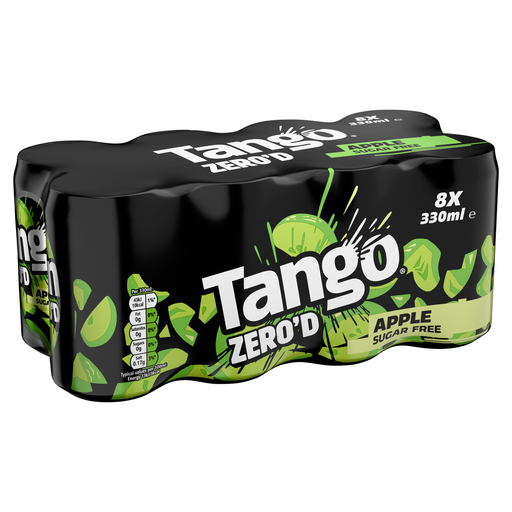
This apple-flavoured drink is labelled sugar-free, making it a different choice from 100% apple juice. The pack contains eight 330ml cans; check the nutrition panel if you are also tracking carbohydrate.
 No image available
This is a sparkling 100% apple-juice option for lunch. Each 250ml bottle is larger than the NHS-guided 150ml daily juice amount, so measure a smaller serving rather than treating the full bottle as that portion. Check the label for its sugars.
 No image available
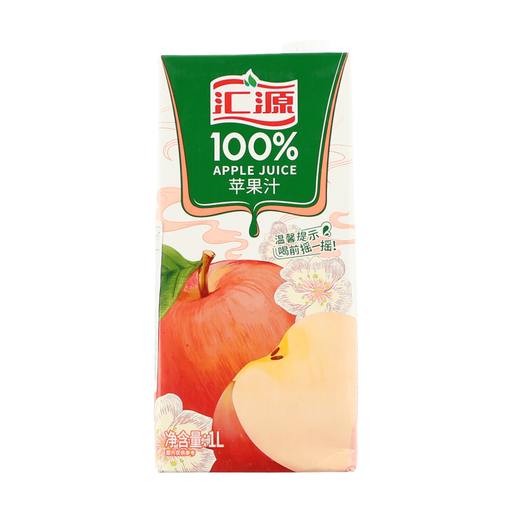
The 1L bottle suits a measured pour rather than drinking directly from the pack at lunch. Check the ingredient list and sugars on the current label, then measure against the NHS-guided 150ml daily juice amount.
 No image available
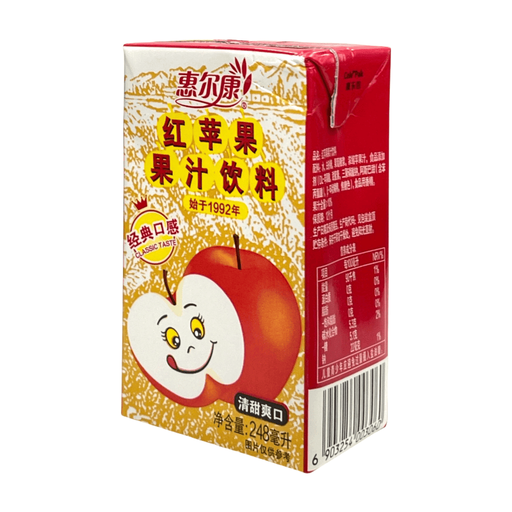
This ready-to-drink carton is an apple juice drink, not a product labelled 100% apple juice or sugar-free. Check its juice content and sugars on the pack, particularly if you plan to drink the full 248ml carton.
No. Apple juice can contain naturally occurring sugars even when sugar has not been added. Check “of which sugars” on the nutrition panel for the amount you will drink.
The NHS advises limiting fruit juice and smoothies to a maximum of one small glass, 150ml, a day and having it with a meal. Measure the juice if your bottle or carton holds more.
No. Both sizes exceed the NHS-guided daily 150ml amount for fruit juice and smoothies. Copella offers bottles in those sizes, so the pack volume should not be used as a serving guide.
That depends on the individual plan. Diabetes UK explains that fruit-juice sugars count as free sugars; check a proposed serving against your carbohydrate plan and follow your diabetes team’s advice for glucose management or treating hypoglycaemia.
Follow the instructions on that carton or bottle and check that a fridge is available if required. For example, Marks & Spencer says to refrigerate its Cloudy Apple Juice after opening and drink it within 24 hours.