Hosts serving guests with different preferences
Put juice and a sugar-free option on the table so guests can choose. If serving juice, plan small pours: the NHS recommends no more than 150ml of fruit juice and smoothies combined per day.


Serve 100% apple juice if guests want juice and a small serving suits them, but offer a genuinely sugar-free drink alongside it for anyone avoiding juice sugars. The NHS counts sugars in unsweetened fruit juice as free sugars and recommends limiting juice and smoothies to a combined 150ml a day. A “no added sugar” apple drink is a separate choice: check its total sugars and carbohydrate per serving rather than assuming it is sugar-free.
Put juice and a sugar-free option on the table so guests can choose. If serving juice, plan small pours: the NHS recommends no more than 150ml of fruit juice and smoothies combined per day.
Check the drink itself, not just its front-of-pack description. The NHS counts sugars in fruit juice as free sugars, while Diabetes UK notes that juice can make it easy to drink substantial carbohydrate and sugar quickly.
Pressed, cloudy and not-from-concentrate describe the style of particular juices, not a sugar-free option. Compare the individual product’s nutrition and storage instructions as well as the style you would like to serve.
Decide whether you want juice, an apple-based drink with no added sugar, or a sugar-free alternative; then compare the serving and storage details on the products you are considering.
Choose it when: Guests want apple juice and a small serving suits them.
Keep in mind: Its naturally occurring sugars still count as free sugars under NHS guidance.
Choose it when: The individual drink’s ingredients and nutrition fit what your guests want.
Keep in mind: “No added sugar” does not mean zero total sugars or carbohydrate.
Choose it when: A guest wants a drink without the sugars in juice.
Keep in mind: A soft drink or water is a different choice from 100% apple juice, not a like-for-like juice substitute.
| Priority | What to check | When it matters |
|---|---|---|
| Sugars | Read total sugars per 100ml and per intended serving. Distinguish 100% juice, a juice drink and a sugar-free drink using the description and ingredients. | I want guests to be able to tell which drinks contain sugars. The NHS says sugars in unsweetened fruit juice count as free sugars; “no added sugar” alone does not settle the question. |
| Serving size | Compare the pack’s serving size with the amount you plan to pour. The NHS recommends limiting fruit juice and smoothies to a combined 150ml a day. | For a shared brunch, I would rather plan small juice glasses than assume a full bottle or repeated top-ups count as one serving. |
| Drink style | Check whether the product is pressed, cloudy, from concentrate, sparkling or a juice drink. None of those descriptions establishes its sugar content. | If apple-juice flavour is the point, I want to know whether I am buying juice or an apple-containing soft drink. |
| Storage and quantity | Check pack volume, refrigeration instructions and how soon the drink must be used after opening. Tesco Groceries lists nine 150ml servings for its Copella 1.35L bottle. | I need enough for the group without opening more than we are likely to use. Tesco Groceries says that Copella bottle should be consumed within four days of opening; Marks & Spencer gives its Cloudy Apple Juice 24 hours. |
The NHS counts sugars in unsweetened fruit juice as free sugars. Tropicana UK and Tesco Groceries each list 15g sugars per 150ml for the Tropicana Orchard Apple and Copella Cloudy Apple products described here.
If guests want juice, offer small servings; if they want to avoid juice sugars, provide a sugar-free choice as well.
An apple-based drink can contain sugars even when no sugar has been added. The phrase does not tell you its total sugars or carbohydrate per serving.
Compare the nutrition panel per 100ml and per serving, then check the ingredient list and any sweeteners.
Opened-bottle instructions differ: Tesco Groceries lists four days for Copella Cloudy Apple Juice, while Marks & Spencer says to refrigerate its Cloudy Apple Juice after opening and drink it within 24 hours.
Plan the number of pours and follow the instructions on the particular pack you buy.
Leftover juice may go unused if the group cannot finish it within the pack’s stated period after opening.
These examples help distinguish juice styles and pack instructions; check the individual product rather than applying one brand’s details to its whole range.
Tropicana UK describes Orchard Apple as 100% pressed apple juice, not from concentrate.
Tesco Groceries lists Copella Cloudy Apple Juice as not from concentrate in a 1.35L bottle.
Tesco Groceries lists its own 100% Pressed Apple Juice in a 1L format alongside branded apple juices.
Marks & Spencer lists cloudy, pressed and blended options in its apple-juice range.
These options span apple juice, apple-containing drinks with no added sugar, and sugar-free soft drinks. They are different types of drink: choose by the label and the serving you intend to offer, rather than treating them as interchangeable apple juices.
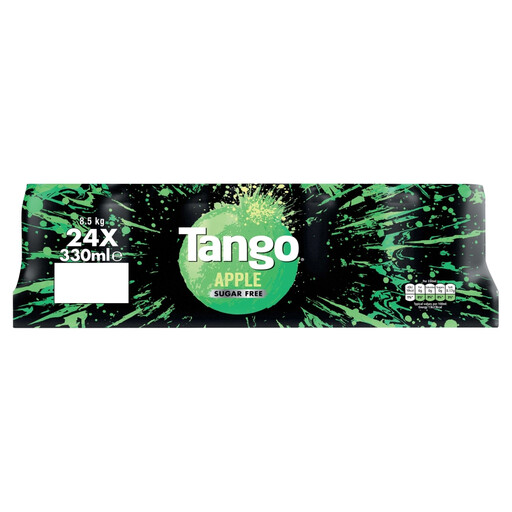 No image available
An individually canned, apple-flavoured sugar-free soft drink to offer alongside juice at a group brunch.
It is carbonated and contains sweeteners, so it is not a substitute for guests who specifically want 100% apple juice.
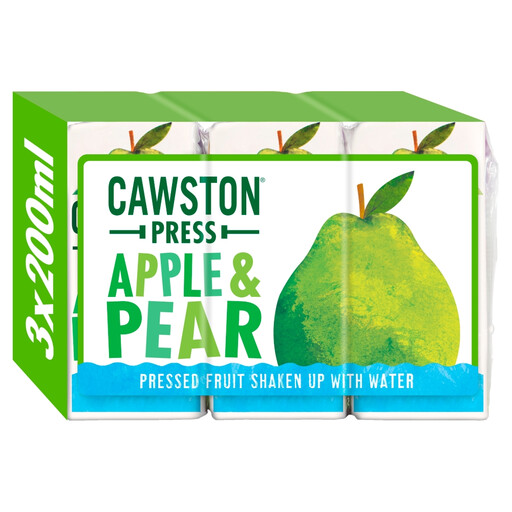 No image available
Three individual cartons provide an apple-and-pear drink for a small gathering.
Check total sugars on the carton before serving it as an alternative for someone who wants a sugar-free drink; no added sugar does not mean zero sugars.
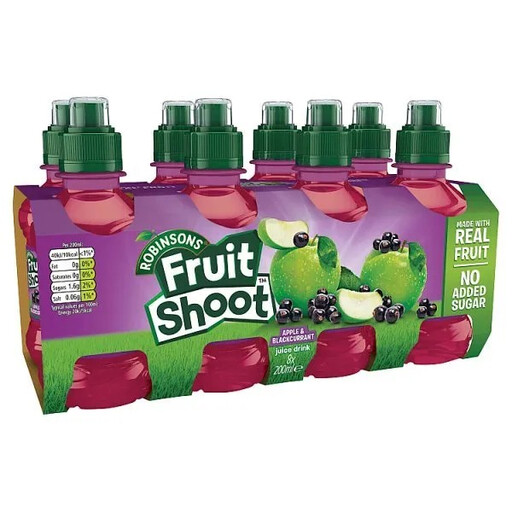 No image available
Eight separate bottles suit a host who wants individual portions of an apple-and-blackcurrant drink rather than shared apple juice.
No added sugar is not the same as sugar-free; check the pack’s total sugars and ingredients. The bottle caps contain small parts and are unsuitable for children under 36 months.
 No image available
This is a sparkling 100% apple-juice choice for guests who want juice rather than a sugar-free soft drink.
Each bottle is 250ml. If planning juice portions around the NHS recommendation of no more than 150ml of juice and smoothies combined per day, pour less than a full bottle.
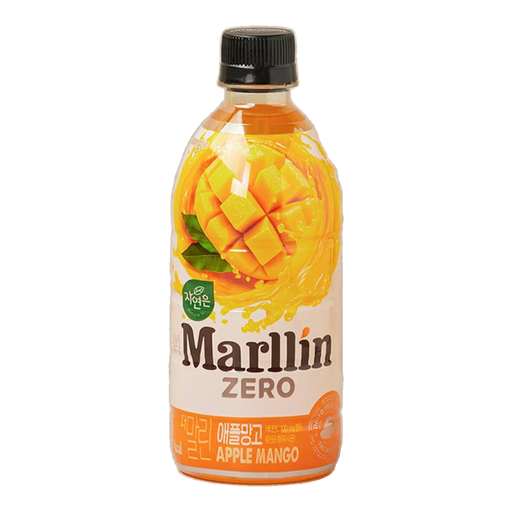 No image available
This bottled zero-sugar drink offers another choice for guests who do not want apple juice.
It is a sweetened mixed-fruit drink, not 100% apple juice. Check the physical pack’s flavour and ingredients before buying: the product information gives conflicting flavour details.
No. Tropicana UK and Tesco Groceries each list 15g sugars per 150ml for the Tropicana Orchard Apple and Copella Cloudy Apple products described here. The NHS counts sugars in unsweetened fruit juice as free sugars.
No. Check total sugars and carbohydrate for the serving you plan to offer, as well as the ingredients and any sweeteners. Diabetes UK explains that sugars in fruit juice contribute to free-sugar intake, so a front-of-pack phrase alone cannot settle a guest’s carbohydrate-related choice.
Plan a small glass rather than assuming a full bottle is one suitable portion. The NHS recommends limiting fruit juice and smoothies to no more than a combined 150ml a day; guests may also have had juice elsewhere that day. Offer water or a sugar-free drink alongside it.
Follow the instructions on the particular pack. Tesco Groceries says its listed Copella Cloudy Apple Juice should be kept refrigerated and used within four days of opening; Marks & Spencer says to refrigerate its listed Cloudy Apple Juice after opening and drink it within 24 hours.