Hosts sharing apple juice
A larger carton can serve several people, but decide how you will pour individual servings and whether the pack needs chilled transport.


If you want 100% apple juice, plan a measured serving rather than treating ‘no added sugar’ as sugar-free: the NHS advises limiting fruit juice and smoothies to a combined 150ml a day. If zero sugar is essential, choose another drink category and check its nutrition panel. For the picnic, check whether the unopened pack needs chilling and follow its storage instructions once opened.
A larger carton can serve several people, but decide how you will pour individual servings and whether the pack needs chilled transport.
Compare the exact pack’s sugars per 100ml and per serving. Apple juice is not a zero-sugar choice simply because no sugar has been added.
For children aged 5 and over, NHS guidance advises no more than one glass of about 150ml a day, served with meals. A small cup makes the amount easier to judge.
Decide whether you want 100% juice or a different apple-flavoured drink, then compare the serving size and storage instructions on the exact pack.
| Priority | What to check | Your needs |
|---|---|---|
| Sugars and drink type | Read the product description, ingredients and sugars per 100ml. The NHS says sugars in unsweetened fruit juice count as free sugars; ‘no added sugar’ does not mean zero total sugar. | If zero sugar is essential, I need to check a drink’s nutrition panel rather than assume an apple juice will qualify. |
| Serving size | Check the pack volume and measure what goes into a cup. NHS guidance limits fruit juice and smoothies to a combined 150ml a day. | A shared bottle suits my group, but I want to pour a small serving without repeatedly topping up one person’s cup. |
| Storage | Check whether the unopened pack requires refrigeration or permits cool, dry storage. Follow its separate instructions after opening. | If I cannot keep drinks chilled on the journey, I need a pack labelled for ambient storage before opening. |
| Pack format | Compare single cartons or bottles with multi-serving packs, including the amount in each individual container. | For a group, I can divide a larger pack. For individual drinks, I want to know whether a whole carton exceeds the portion I intend to serve. |
| Carbohydrate planning | Use the exact drink’s carbohydrate and sugar values per intended serving; do not substitute a brand-wide figure for the pack label. | If I account for carbohydrates, I need the values for the amount I will actually drink, not an assumption that fruit juice is sugar-free. |
Those statements describe different things. Tesco lists 15g sugars per 150ml for Tropicana Pressed Apple Juice 900ml, despite its no-added-sugar wording; the NHS counts sugars in unsweetened fruit juice as free sugars.
If you require zero sugar, check the nutrition panel of a different drink category. If you choose juice, compare sugars per 100ml and for the amount you will pour.
A 900ml bottle holds six 150ml servings. An individual drinking repeated refills could exceed the NHS’s combined daily 150ml guidance for juice and smoothies.
Bring a small measuring cup or pour planned servings, and check how the remainder must be stored.
ASDA lists its Apple Juice from Concentrate 4 x 1 Litre for cool, dry storage before opening, while the Tesco-listed Copella 1.35L juice must be kept refrigerated.
Read the exact pack’s unopened and opened storage instructions before deciding whether you need a cool bag.
Fruit juice contains free sugars, and Diabetes UK identifies water as the best all-round drink.
Pack water as well; if you serve apple juice, pour the amount you intended with the picnic food.
These examples show why the exact product label matters: pack size, sugars and storage instructions differ.
Tropicana UK describes Orchard Apple as 100% pressed juice, not from concentrate.
Copella Cloudy Apple is a pressed, not-from-concentrate juice; Tesco lists a 1.35L pack.
Tesco 100% Pressed Apple Juice is a 1L, not-from-concentrate option.
Sainsbury's 100% Pressed Apple Juice, Not From Concentrate is a chilled 1L option.
ASDA Apple Juice from Concentrate comes in a 4 x 1 Litre long-life pack.
M&S lists chilled Cloudy Apple Juice in a 1L pack and a separate 200ml apple juice carton.
These options include an apple juice, apple-flavoured drinks and a drink labelled sugar free. Compare their exact labels: they do not all serve the same juice or sugar requirement.
 No image available
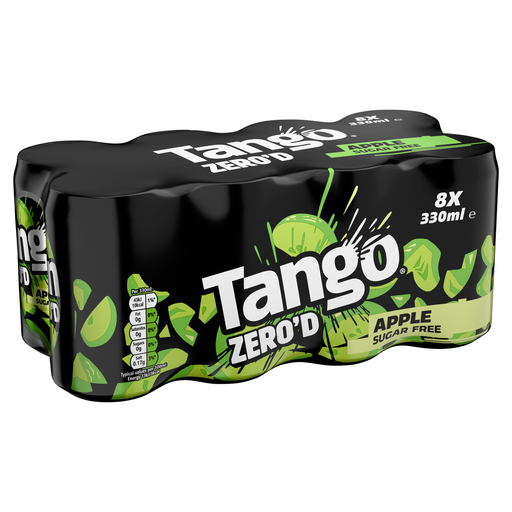
An apple-flavoured soft drink labelled sugar free for a picnic where 100% juice is not required. The pack contains eight 330ml cans; check the nutrition panel if zero sugar is essential.
 No image available
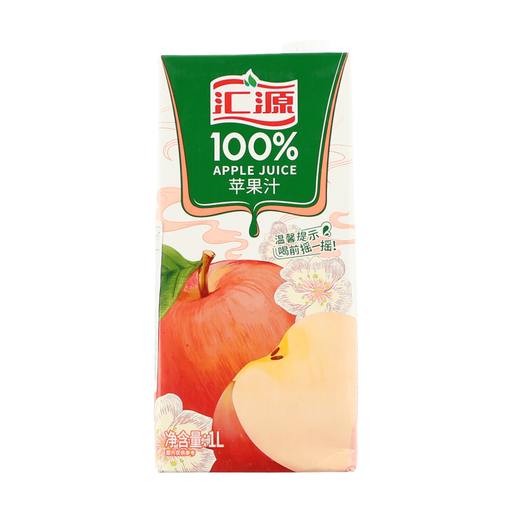
A 1L apple juice pack to divide into measured servings when sharing. Compare its sugars on the label and check how the juice must be stored after opening.
 No image available
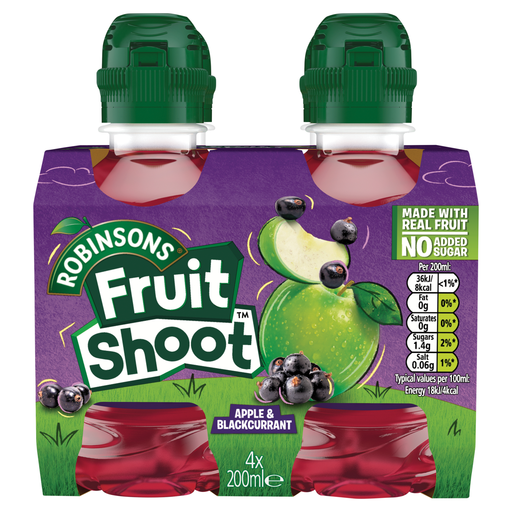
Four individual 200ml bottles if separate picnic drinks are more useful than a shared juice carton. This is an apple-and-blackcurrant drink, not 100% apple juice; compare its sugars on the label. Check cap safety warnings when serving young children.
 No image available
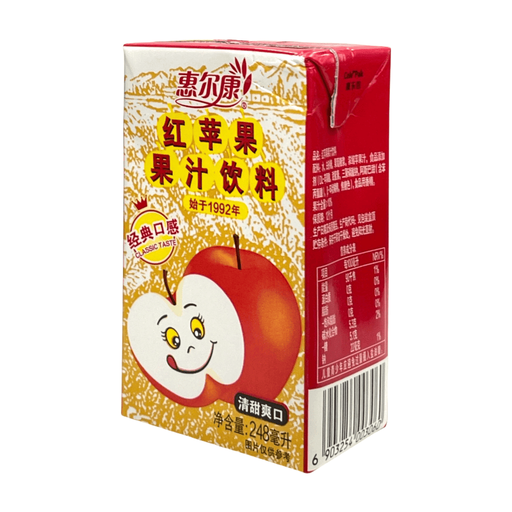
A single 248ml apple juice drink carton rather than a multi-serving bottle. Check the ingredients and sugars on this drink’s label rather than treating ‘apple juice drink’ as equivalent to 100% juice or a zero-sugar claim.
No. A drink can contain sugars even when none has been added. Tesco lists 10g sugars per 100ml for Tropicana Pressed Apple Juice 900ml, and the NHS says sugars in unsweetened fruit juice count as free sugars. Check total sugars on the exact pack if zero sugar matters.
NHS general guidance limits fruit juice and smoothies to a combined 150ml a day. A measured cup helps you serve that amount rather than repeatedly refilling from a shared bottle.
For young children, NHS guidance advises serving juice with meals and sticking to no more than one glass of about 150ml a day. Pour a measured amount rather than leaving a large bottle for repeated drinks.
Only if the exact pack permits storage without refrigeration before opening. ASDA labels its Apple Juice from Concentrate 4 x 1 Litre for cool, dry storage, while Tesco says to keep its Copella 1.35L juice refrigerated. Follow the separate instructions for any opened pack.
Diabetes UK identifies water as the best all-round drink. If you are accounting for carbohydrates, check the juice’s nutrition values for the amount you intend to drink and follow your diabetes team’s individual advice rather than using a general picnic serving as a treatment plan.