Choose 100% apple juice if you want pure juice and can serve modest portions; according to the NHS, its naturally occurring sugars still count as free sugars. If the sugar figure matters more than fruit-juice content, compare apple-based juice drinks, but check their ingredients: a no-added-sugar drink can still contain sugar and sweeteners. For a second home, check whether an unopened carton needs refrigeration and how soon it must be used after opening.
Who these choices affect
Second-home owners stocking breakfast drinks
Check whether cartons can stay unopened in a cool, dry cupboard or need fridge space throughout. For an occasional visit, the more important question may be whether the household will finish a carton within its stated period after opening.
Households comparing sugar on labels
Pure apple juice and an apple-based juice drink are different choices. The NHS counts sugars in unsweetened fruit juice as free sugars; a drink with a lower sugar figure may contain less fruit juice and include sweeteners.
People keeping track of carbohydrate
Portion size and the carbohydrate information matter more than a claim such as “natural” or “no added sugar”. Diabetes UK notes that juice has less fibre than whole fruit and can make it easy to drink sugar and carbohydrate quickly.
What to check before stocking up
Decide whether you want pure juice, a drink with a lower listed sugar figure, or an alternative to regular juice. Then match the pack and storage instructions to the length of your visits.
100% apple juice
Choose it when: You want a drink made entirely from apple juice and plan to pour modest servings.
Bear in mind: According to the NHS, sugars in unsweetened juice still count as free sugars.
Apple-based juice drink
Choose it when: A lower sugar figure matters more to you than 100% fruit-juice content.
Bear in mind: Sainsbury's no-added-sugar apple-and-pear drink contains sweeteners and is not the same recipe as its pure apple juice.
Less juice, other drinks
Choose this approach when: Visits are short or regular juice does not suit the household's sugar preferences.
Bear in mind: An apple-flavoured soft drink is not apple juice; check its ingredients and nutrition panel on its own terms.
| Priority |
What to check |
Your needs |
| Sugar and portions |
Compare sugars per 100ml, then check the amount in the portion you expect to pour. The NHS counts sugars in unsweetened fruit juice as free sugars. |
I want to know how much sugar is in my usual glass, rather than assume that 100% juice or “no added sugar” means sugar-free. |
| Juice or juice drink |
Read the food name, fruit-juice content and ingredients alongside the sugar figure. Sainsbury's lists 9.2g sugars per 100ml for its pure apple juice and 2.6g per 100ml for its no-added-sugar apple-and-pear juice drink with sweeteners. |
If I prefer pure juice, I need to distinguish it from a drink made with fruit juice and other ingredients. If I favour the lower listed sugar figure, I can decide whether that different recipe suits me. |
| Unopened storage |
Check the exact pack for cool, dry storage or a keep-refrigerated instruction. For example, Asda lists ambient storage for its apple juice, while Tesco says to keep its 100% pressed apple juice refrigerated. |
There may be weeks between visits, so I need to know where an unopened pack can be kept. |
| After opening |
Check the refrigeration instruction and use-within period, then compare pack volume with likely servings during one visit. Asda's listed apple juices have different opened-pack periods of four and five days. |
A large carton only works for our visits if we are likely to finish it within the period printed on that pack. |
Common buying mistakes
-
Reading “no added sugar” as “sugar-free”
According to the NHS, the sugars naturally present in unsweetened fruit juice count as free sugars. Sainsbury's also lists 2.6g sugars per 100ml in its no-added-sugar apple-and-pear juice drink.
Compare the sugar figure per 100ml and for the amount you intend to drink, then check whether the product is pure juice or a juice drink.
-
Choosing a large carton without planning for the opened pack
Cartons that can be stored cool and dry unopened may still need refrigeration after opening. The listed Asda, Sainsbury's and Tesco examples have opened-pack use periods of four or five days, depending on the product.
Estimate how many servings will be poured during a visit and follow the instructions on the carton you buy.
Any juice left after its stated opened-pack period may go unused.
-
Assuming pressed or cloudy means less sugar
Those descriptions tell you about the juice style, not its sugar figure. Tesco lists 11.2g sugars per 100ml for its pressed apple juice; Copella lists 10g per 100ml for its cloudy apple juice.
Use the nutrition panel to compare sugar on the same per-100ml basis.
Brand and retailer examples
These product-line examples show why sugar figures and storage instructions need checking by pack, even within the same drinks category.
Tropicana
Tesco lists a 1.5L Tropicana pressed apple juice made from 100% juice, not from concentrate.
- The listing gives 10g sugars per 100ml and identifies the sugars as naturally occurring.
- No added sugar does not make this juice sugar-free; check the pack's refrigeration and opened-storage instructions before leaving it at a second home.
Copella
Tesco lists a 900ml Copella cloudy apple juice that is not from concentrate.
- Its listed sugar figure is 10g per 100ml, making the per-100ml panel useful for comparison with other juices.
- The listing says to consume it within four days of opening.
Tesco
Tesco's 1L own-label pressed apple juice is a 100% juice, not-from-concentrate option.
- Its listing states 11.2g sugars per 100ml.
- The listing says to keep it refrigerated and consume it within five days of opening, so it is not a cupboard-storage choice.
Sainsbury's
Sainsbury's lists both a pure apple juice and a separate no-added-sugar apple-and-pear juice drink.
- The pure juice lists 9.2g sugars per 100ml; the apple-and-pear drink lists 2.6g per 100ml.
- The drink contains sweeteners and is not 100% apple juice. Check each pack's storage instructions separately.
Asda
Asda lists 1L apple juices in both pressed and from-concentrate formats.
- Its listings describe unopened ambient or cool, dry storage, depending on the product.
- The pressed juice is listed for use within four days of opening; the from-concentrate juice within five days. Follow the instruction for the pack selected.
M&S
Marks & Spencer lists a cloudy apple juice that can be stored cool and dry, away from sunlight, while unopened.
- Its nutrition listing gives 10.2g sugars per 100g; note that this uses a different basis from per-100ml figures.
- Once opened, the pack must be refrigerated and drunk within four days.
Joybuy options for this decision
These options include 100% apple juice, an apple juice drink and an apple-flavoured soft drink. Check the product type before comparing their sugar figures or deciding what to keep at the second home.
 No image available
Appletiser 100% Apple Juice Lightly Sparkling 6 × 250ml
The individual cans may suit separate visits better than opening one large carton. Each can holds 250ml, so consider how much you intend to pour at a time; 100% juice still contains free sugars, according to the NHS. Check the pack's storage and nutrition information.
View on Joybuy
 No image available
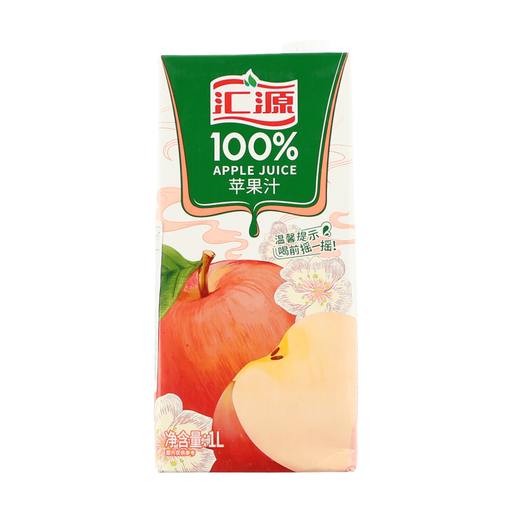
Huiyuan Apple Juice 1L
This carton suits a household considering a larger pure-juice pack, provided it can be finished within the instructions printed on the pack after opening. Joybuy lists 10.2g sugars per 100ml for Huiyuan Apple Juice 1L and states no added sugar; that wording does not mean sugar-free. Check the pack's storage directions before leaving it between visits.
View on Joybuy
 No image available
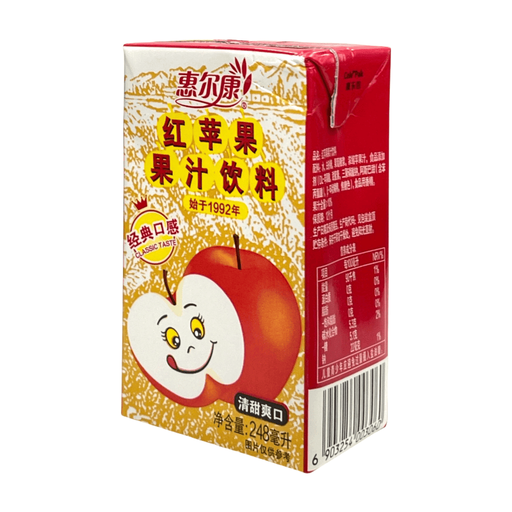
Huierkang Red Apple Juice Drink 248ml
This single carton is a juice drink rather than a 100% apple juice choice. If you are comparing it with pure juice, read its fruit-juice content, ingredients and sugars per 100ml on the pack; also check whether its 248ml size suits the amount you intend to drink.
View on Joybuy
 No image available
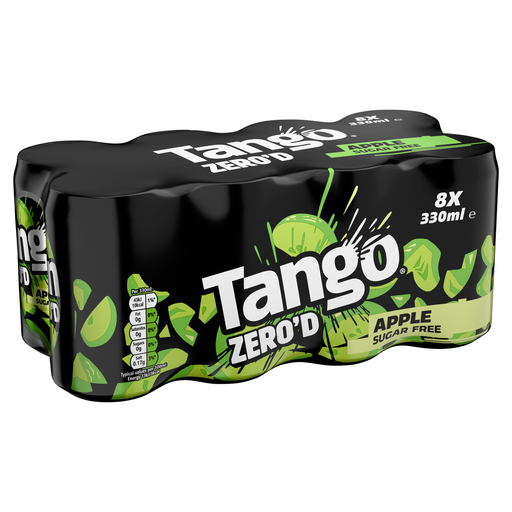
Tango Sugar Free Apple 8 × 330ml
This is an apple-flavoured soft drink, not a substitute for someone specifically wanting 100% apple juice. The eight individually packed 330ml cans offer a different format from a shared carton; check the nutrition panel, ingredients and unopened storage instructions against your preferences.
View on Joybuy
Questions about juice and second-home storage
Does “no added sugar” mean an apple drink is sugar-free?
No. Sainsbury's lists 2.6g sugars per 100ml for its no-added-sugar apple-and-pear juice drink, which also contains sweeteners. Check the nutrition panel and ingredients rather than relying on the front-of-pack wording alone.
Is 100% apple juice free from the sugars I am trying to limit?
No. The NHS counts sugars in unsweetened fruit juice as free sugars. For a practical comparison, check sugars per 100ml and multiply by the amount you actually pour rather than treating a full carton as one serving.
What should someone managing diabetes check about juice?
Check the portion and carbohydrate information rather than assuming that “natural” or “no added sugar” settles the question. Diabetes UK notes that juice has less fibre than whole fruit and can make it easy to drink sugar and carbohydrate quickly. Personal carbohydrate plans and any hypo-treatment instructions should be discussed with the person's diabetes team.
What carton size works for occasional second-home visits?
Choose a size the household is likely to finish within that product's stated period after opening. Asda lists four days for its pressed apple juice and five days for its from-concentrate juice; both periods depend on following the pack's opened-storage instructions.
Can unopened apple juice be left in a cupboard between visits?
Only if that particular pack permits it and the storage conditions can be met. Asda lists ambient storage for one apple juice, while Tesco says to keep its 100% pressed apple juice refrigerated. Read the unopened and after-opening instructions separately.


