Choose 100% apple juice if fruit-juice content matters most; choose an apple-based juice drink if you would rather compare options with less sugar declared on the label, checking its fruit content and sweeteners too. Tesco Groceries lists 15g sugars per 150ml for Tropicana Pressed Apple despite its no-added-sugar label, while Sainsbury's lists 3.9g per 150ml for its no-added-sugar apple-and-pear juice drink, which contains sweeteners. For juice, the NHS advises a combined maximum of 150ml of fruit juice and smoothies a day.
Who might choose each drink?
For a TV dinner, the useful distinction is whether you want apple juice itself, a juice drink with a different sugar figure, or an option without sweeteners.
Shoppers comparing sugar on the label
Compare the same serving size across drinks rather than relying on “no added sugar”. Sainsbury's lists 3.9g sugars per 150ml for its apple-and-pear juice drink and 13.0g per 150ml for its 100% apple juice; the juice drink contains less apple juice and includes sweeteners.
People who want 100% apple juice
Check that the ingredients identify apple juice rather than a juice drink. If you plan to serve it with dinner, the NHS advises no more than 150ml of fruit juice and smoothies combined in a day. GOV.UK counts the sugars naturally present in unsweetened fruit juice as free sugars.
Shoppers avoiding sweeteners
Read the ingredient list alongside the sugar figure. Tesco Groceries describes Tropicana Fresh & Light Crisp Apple as free from sweeteners and lists 11g sugars per 150ml; Sainsbury's no-added-sugar apple-and-pear juice drink lists acesulfame K and sucralose.
What should you compare?
Start with the type of drink, then compare sugars on the same volume basis. Portion size and opened-pack instructions matter when the drink is for occasional dinners.
| Priority | What to check | Your needs |
|---|
| Sugars |
Read “of which sugars” per 100ml or per serving, and compare equal volumes. A no-added-sugar label does not mean zero sugars: Tesco Groceries lists 15g per 150ml for Tropicana Pressed Apple. |
I want to know how much sugar the drink actually contains, not just whether sugar was added. |
| Juice content |
Check whether the product is 100% apple juice or a juice drink, then read the juice percentages and other ingredients. Sainsbury's lists 20% apple juice and 5% pear juice in its no-added-sugar apple-and-pear drink. |
If apple juice itself is the reason for buying it, I do not want to mistake a diluted apple-and-pear drink for pure juice. |
| Sweeteners |
Look for sweeteners in the ingredients rather than inferring their presence or absence from the front label. Sainsbury's names acesulfame K and sucralose in its no-added-sugar apple-and-pear drink. |
I may prefer a drink without sweeteners, even if another option declares fewer sugars. |
| Serving size |
Compare a proposed glass or carton with the NHS guidance of no more than 150ml of fruit juice and smoothies combined per day. GOV.UK classifies sugars in unsweetened fruit juice as free sugars. |
A small glass with dinner suits me better than treating a large carton as a single juice portion. |
| Storage |
Read the particular pack's refrigeration and use-after-opening instructions. M&S says to drink its Cloudy Apple Juice within 24 hours of opening; Sainsbury's gives five days for its 100% Apple Juice Not From Concentrate. |
For occasional TV dinners, I want a pack I can finish within its stated opened-pack period. |
Common buying mistakes
-
Reading “no added sugar” as “zero sugar”
Tesco Groceries lists 15g sugars per 150ml for Tropicana Pressed Apple, which carries a no-added-sugar claim. GOV.UK counts sugars naturally present in unsweetened fruit juice as free sugars.
Check the “of which sugars” line for the amount you intend to pour. Use “zero sugar” only where the nutrition information supports it.
-
Comparing a juice drink as though it were pure juice
Sainsbury's no-added-sugar apple-and-pear drink lists 20% apple juice, 5% pear juice and two sweeteners. Its ingredients differ substantially from those of its 100% apple juice.
Decide whether fruit-juice content or the declared sugar figure matters more to you, then compare the ingredients as well as the nutrition panel.
-
Pouring a large glass without considering the portion
The NHS advises limiting fruit juice and smoothies to a combined total of no more than 150ml a day. A product's carton size is not necessarily that amount.
Measure the juice you plan to have with dinner and account for any juice or smoothies you have already had that day.
-
Choosing a large carton without checking its storage instructions
Opened-pack periods differ: M&S says to drink its Cloudy Apple Juice within 24 hours, while Sainsbury's says to use its 100% Apple Juice Not From Concentrate within five days.
Choose a pack size that fits how often you will serve it, refrigerate it after opening and follow its own label.
A carton that cannot be finished within its stated period may leave unused juice.
Brand and retailer examples
These examples show why product labels matter more than a brand name when choosing between pure apple juice and an apple-based drink.
Tropicana
The two Tropicana products listed by Tesco Groceries offer different formulations: pressed apple juice and a juice drink blended with water and fruit purée.
- Tesco Groceries lists 15g sugars per 150ml for Pressed Apple and 11g per 150ml for Fresh & Light Crisp Apple.
- Fresh & Light is not 100% apple juice, even though its listing says it has no added sugar or sweeteners.
Copella
Sainsbury's describes Copella Cloudy Apple as a not-from-concentrate apple juice.
- It offers a cloudy apple-juice option for shoppers choosing juice rather than a diluted juice drink.
- Sainsbury's lists 15g sugars per 150ml, so its juice format should not be mistaken for a zero-sugar drink.
Sainsbury's
Sainsbury's lists both a 100% not-from-concentrate apple juice and a no-added-sugar apple-and-pear juice drink.
- Their labels allow a like-for-like 150ml comparison: 13.0g sugars for the 100% juice and 3.9g for the juice drink.
- The juice drink contains 20% apple juice, 5% pear juice and sweeteners; it is not a substitute for 100% juice if fruit content is your priority.
Asda
ASDA Groceries lists apple juice from concentrate alongside an apple-and-pear juice drink.
- Its apple juice listing gives 16g sugars per 150ml; the separate 150ml apple-and-pear juice-drink carton lists 1.8g sugars.
- The juice drink lists 6% apple juice, 4% pear juice and sucralose, rather than being pure apple juice.
M&S
M&S describes its Cloudy Apple Juice as not from concentrate.
- Its published nutrition gives 10.2g sugars per 100g, a figure to compare only on a consistent measurement basis.
- M&S instructs shoppers to refrigerate the carton after opening and drink it within 24 hours.
Apple drinks on Joybuy
These options span apple-and-pear drinks, an apple-flavoured fizzy drink and products labelled as apple juice. Check the type of drink before using a juice portion or sugar comparison to choose between them.
 No image available
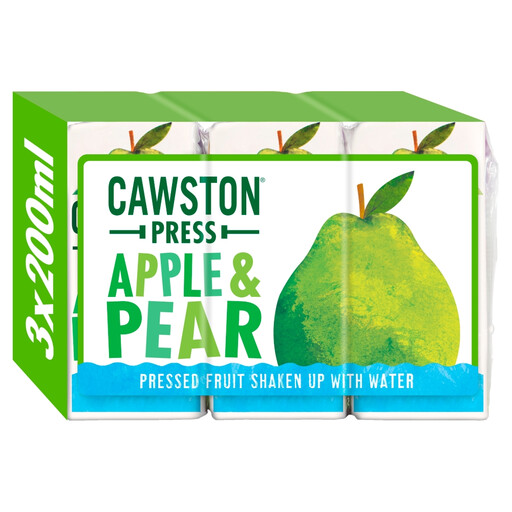
CAWSTON PRESS Apple & Pear Fruit Water 3 × 200ml
An apple-and-pear drink to consider if you want something other than 100% apple juice with dinner. It contains water rather than being pure juice; each 200ml carton is larger than the NHS's 150ml daily limit for fruit juice and smoothies combined if you count this drink towards that total.
View on Joybuy
 No image available
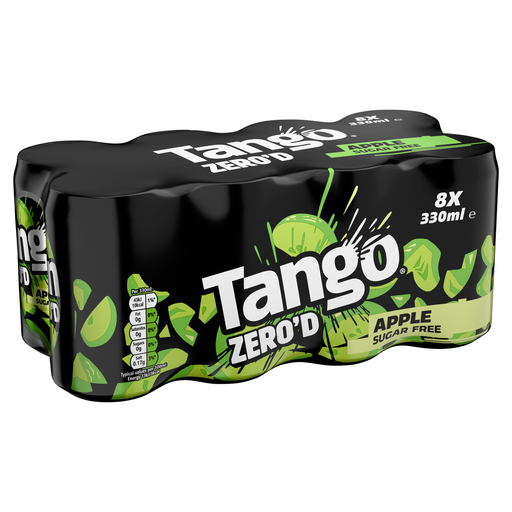
Tango Sugar Free Apple 8 × 330ml
This is a carbonated apple-flavoured soft drink, not 100% apple juice. It contains sweeteners, so it does not fit a preference to avoid them; the NHS fruit-juice portion guidance is not a serving recommendation for this soft drink.
View on Joybuy
 No image available
Appletiser 100% Apple Juice Lightly Sparkling 6 × 250ml
A lightly sparkling option labelled as 100% apple juice rather than an apple-flavoured soft drink. A 250ml unit is larger than the NHS's advised daily combined maximum of 150ml for fruit juice and smoothies, so check how much you intend to pour.
View on Joybuy
 No image available
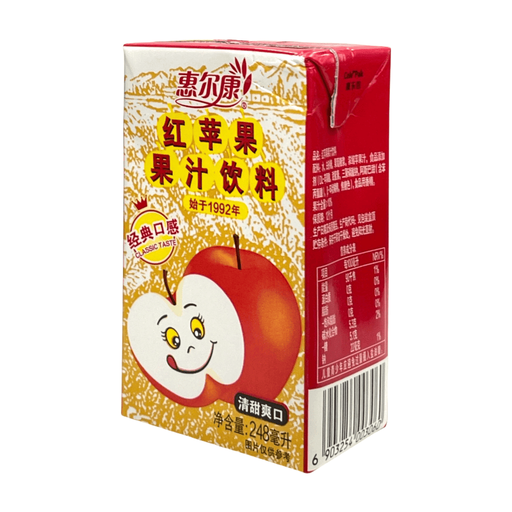
Huierkang Red Apple Juice Drink 248ml
This apple juice drink is not the route to choose if you specifically want no added sugar or no sweeteners: its listed ingredients include sugar, fructose-glucose syrup and sweetener E952. Check its juice content if fruit content matters more to you than the drink format.
View on Joybuy
 No image available
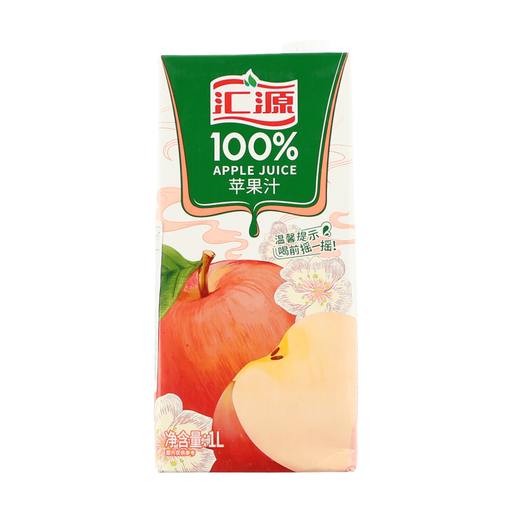
Huiyuan Apple Juice 1L
For this apple-labelled drink, Joybuy lists 10.2g sugars per 100ml. If 100% juice content determines your choice, check the pack's ingredients and juice-content statement together before treating it as a pure-juice option.
View on Joybuy
Questions about apple drinks
Does “no added sugar” mean an apple drink is sugar-free?
No. Tesco Groceries lists 15g sugars per 150ml for no-added-sugar Tropicana Pressed Apple, while Sainsbury's lists 3.9g per 150ml for its no-added-sugar apple-and-pear juice drink. Read the nutrition panel for the actual sugar figure and the ingredients for sweeteners.
How much apple juice should I pour with a TV dinner?
The NHS advises no more than 150ml of fruit juice and smoothies combined per day. If you have already had either earlier in the day, take that into account before pouring juice with dinner; GOV.UK classifies sugars naturally present in unsweetened fruit juice as free sugars.
Should I choose 100% apple juice or an apple-and-pear juice drink?
Choose 100% apple juice when juice content is your priority; compare its sugars per serving even if it says no added sugar. If the declared sugar figure matters more, an apple-and-pear juice drink may be worth comparing, but check its juice percentage and whether it contains sweeteners. Sainsbury's labels illustrate this trade-off: its 100% juice lists 13.0g sugars per 150ml, while its juice drink lists 3.9g and contains sweeteners.
What should I check before buying a large carton for occasional dinners?
Check how long that particular juice should be kept after opening. M&S says to refrigerate its Cloudy Apple Juice and drink it within 24 hours; Sainsbury's says to refrigerate its 100% Apple Juice Not From Concentrate and use it within five days. Pick a size you expect to finish within the applicable period.


