Cyclists considering carbohydrate around a ride
100% apple juice can contribute carbohydrate alongside food before or after riding. It does not have the same stated sodium profile as a carbohydrate-electrolyte sports drink.


Choose 100% apple juice when you want the drink to contribute carbohydrate, and account for its serving size and free sugars. A no-added-sugar apple drink suits a preference for less sugar but may contribute little carbohydrate; for prolonged rides where fluid, carbohydrate and sodium all matter, a carbohydrate-electrolyte sports drink is designed for that combination. “No added sugar” does not mean zero sugar, so check the nutrition panel.
The useful distinction is whether you want carbohydrate from the drink, apple flavour with less sugar, or a drink formulated for exercise.
100% apple juice can contribute carbohydrate alongside food before or after riding. It does not have the same stated sodium profile as a carbohydrate-electrolyte sports drink.
An apple-flavoured drink with little carbohydrate may suit someone choosing it for flavour rather than planned ride fuel. Check the sugar figure: “no added sugar” alone does not mean sugar-free.
When fluid, carbohydrate and sodium are all relevant, compare drinks on all three rather than treating apple juice and a sports drink as interchangeable.
Choose it when: You want juice to contribute carbohydrate, such as with food before or after a ride.
Bear in mind: Its sugars count as free sugars under NHS guidance, and the apple juices compared here list 0g salt per serving.
Choose it when: Apple flavour with less sugar matters more than obtaining carbohydrate from the drink.
Bear in mind: The ASDA apple-and-pear juice drink still contains sugar and contributes little carbohydrate per carton.
Choose it when: A prolonged ride calls for a plan that considers fluid, carbohydrate and sodium together.
Bear in mind: Additional drink fuel is not a default requirement for every ride; British Cycling says rides up to about 90 minutes should not generally require it.
| Priority | What to check | Your needs |
|---|---|---|
| Carbohydrate | Compare carbohydrate at the portion you intend to drink. ASDA Groceries lists 17g per 150ml for Tropicana Orchard Apple; Copella lists 16g per 150ml for Cloudy Apple. ASDA’s no-added-sugar apple-and-pear drink lists 1.2g per 100ml. | I want to know whether this drink will contribute carbohydrate to my ride plan, rather than choosing by the word “apple” on the pack. |
| Fluid and sodium | Check carbohydrate and sodium as separate figures. The Australian Institute of Sport describes a sports-drink formulation range of 4–8g carbohydrate and 23–69mg sodium per 100ml; the Tropicana and Copella juice information lists 0g salt per 150ml. | For a prolonged or sweaty ride, I need to consider more than the drink’s carbohydrate content. |
| Sugar and drink type | Read “of which sugars” per 100ml and per serving, then check whether the ingredients describe 100% juice or a flavoured juice drink. The NHS counts sugars in unsweetened fruit juice as free sugars. | I’m choosing an apple-flavoured drink with less sugar, not assuming that “no added sugar” means none is present. |
| Portion and storage | Match the pack size to how you will use it and follow its opening instructions. ASDA Groceries says its Innocent Pure Apple Juice 1.75L should be drunk within four days of opening. | A smaller portion may suit me better than a large bottle if I only drink juice occasionally. |
ASDA Groceries lists 1.2g carbohydrate per 100ml for its apple-and-pear juice drink, compared with 16–17g per 150ml in the Copella and Tropicana 100% apple juices. They do not make like-for-like carbohydrate contributions.
Decide whether you want carbohydrate or mainly apple flavour, then compare carbohydrate at the portion you expect to drink.
ASDA’s no-added-sugar apple-and-pear drink lists 1.2g sugars per 100ml. The NHS also counts sugars in unsweetened fruit juice as free sugars.
Check “of which sugars” on the nutrition panel as well as the front-of-pack wording.
The Australian Institute of Sport describes sports drinks as providing carbohydrate and fluid, with sodium in its stated formulation range. The Tropicana and Copella apple juices compared here list 0g salt per 150ml.
For a prolonged ride, consider fluid, carbohydrate and sodium together rather than relying on apple juice alone.
Opening instructions differ by product. ASDA Groceries says its Innocent Pure Apple Juice 1.75L should be drunk within four days of opening.
Choose a pack size you expect to use and follow the storage directions on that exact pack.
These specific product examples show why the nutrition panel matters more than a shared apple flavour or a no-added-sugar claim.
Orchard Apple is a 100% apple-juice example sold in a 1.5L bottle.
Cloudy Apple is described by Copella as pressed apple juice with vitamin C.
Its 150ml Apple & Pear Juice Drink is a no-added-sugar, apple-and-pear flavoured option, not 100% apple juice.
Tesco’s apple-juice category lists own-label juice alongside Tropicana and Copella products.
These options cover three different choices: 100% apple juice, an isotonic-labelled drink and a sugar-free-labelled apple soft drink. Check each pack’s nutrition panel against the job you want the drink to do.
 Image unavailable
A portioned apple-juice option if you want juice rather than an apple-flavoured soft drink. It is lightly sparkling; check the nutrition panel for the carbohydrate and sugars in a 250ml can, and do not assume it replaces a carbohydrate-electrolyte drink.
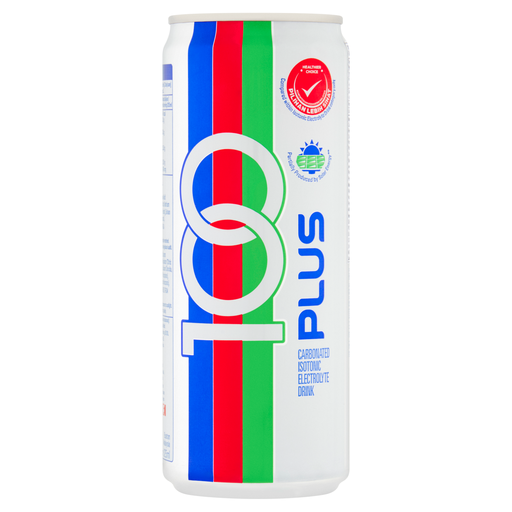 Image unavailable
This carbonated, isotonic-labelled drink is an alternative to consider when comparing exercise drinks; it is not apple juice. Check the carbohydrate and sodium amounts on the pack against your intended ride rather than relying on “isotonic” alone.
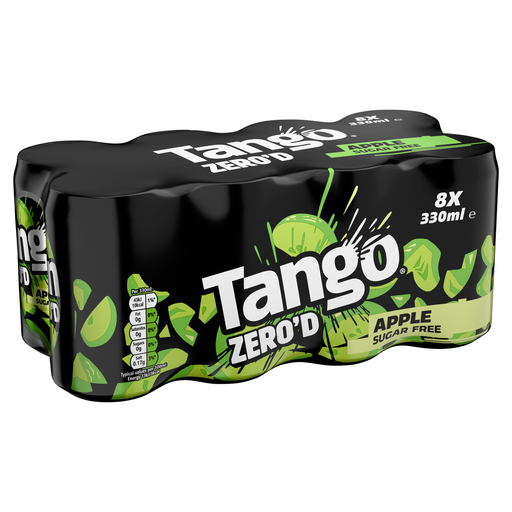 Image unavailable
An apple-flavoured, sugar-free-labelled option for choosing flavour rather than apple juice as a carbohydrate source. The pack contains eight 330ml cans; check its carbohydrate and ingredient information before treating it as ride fuel.
No. ASDA Groceries lists 1.2g sugars per 100ml for its no-added-sugar Apple & Pear Juice Drink. Check “of which sugars” per 100ml and at the portion you will drink.
Yes: Copella lists 16g carbohydrate per 150ml of Cloudy Apple, and ASDA Groceries lists 17g per 150ml of Tropicana Orchard Apple. Whether additional fuel is needed depends on the ride; British Cycling says rides up to about 90 minutes should not generally require it.
Do not assume they serve the same purpose. The Australian Institute of Sport describes sports drinks as formulated to provide carbohydrate and fluid together and gives a sodium range of 23–69mg per 100ml; the Tropicana and Copella apple juices compared here list 0g salt per 150ml. Consider fluid, carbohydrate and sodium for the particular ride.
The NHS advises limiting fruit juice and smoothies to a combined maximum of 150ml a day. It counts sugars in unsweetened fruit juice as free sugars, so check the portion as well as the drink’s sugar figure.
Follow the directions on the exact bottle. For example, ASDA Groceries says its Innocent Pure Apple Juice 1.75L should be drunk within four days of opening; do not apply that period to a different product.