Hosts pouring for a group
Check the pack size against the number of glasses you plan to serve. A ready-to-drink carton can be poured straight away; squash needs water and a place to mix it.


Choose ready-to-drink 100% apple juice if you want to pour undiluted juice for people watching the match; choose a dilutable apple drink if you are happy to mix it with water before serving. The formats are not interchangeable, and “no added sugar” does not mean sugar-free: the NHS counts naturally occurring sugars in unsweetened fruit juice as free sugars.
The useful distinction for a football gathering is whether guests want undiluted apple juice, an apple-based drink or something prepared with water.
Check the pack size against the number of glasses you plan to serve. A ready-to-drink carton can be poured straight away; squash needs water and a place to mix it.
Read the sugars figure as well as the front-of-pack wording. The NHS counts the naturally occurring sugars in unsweetened fruit juice as free sugars, so “no added sugar” is not the same as sugar-free.
Look at the ingredient and allergen information before substituting a high-juice squash or fruit-water blend for apple juice. Their composition can differ even when each is apple-based.
Start with the type of drink, then compare the prepared serving, ingredients and amount you need for the group.
| Priority | What to check | Your needs |
|---|---|---|
| Type of drink | Check whether it is 100% apple juice, an apple-and-other-fruit drink or a squash requiring dilution. For squash, read the mixing instructions before comparing glasses. | I want apple juice I can pour as sold, or I am happy to prepare a different apple-based drink with water. |
| Sugar information | Read the sugars figure per 100ml and per serving, noting whether a squash figure refers to the drink after dilution. According to the NHS, sugars in unsweetened fruit juice count as free sugars. | A no-added-sugar label matters to me, but I do not want to mistake it for a sugar-free claim. |
| Group serving | Compare pack volume with the glasses you intend to pour. Check whether the drink must be chilled, diluted or stored in a particular way after opening. | There will be several people watching, so I want enough to serve without choosing a pack that does not suit the occasion. |
| Ingredients | Check the fruit ingredients, any sweeteners and the allergen declaration. An apple-based squash or fruit-water blend is not necessarily made from apple alone. | If a guest avoids a particular ingredient, I need the full label rather than the product name alone. |
Unsweetened apple juice can contain naturally occurring sugars. The NHS counts sugars in unsweetened fruit juice as free sugars.
Read the sugars line on the nutrition label and compare the amount you actually plan to pour, rather than relying on the claim alone.
A squash is prepared with water, so a figure for a prepared glass is not a figure for undiluted apple juice. The M&S Apple & Elderflower High Juice listing on Ocado specifies 50% fruit juice and a ratio of one part squash to four parts water.
Check the juice percentage, mixing ratio and basis of the nutrition figures before deciding which format suits your guests.
A larger pack is useful only if its volume fits the group and its storage instructions work for what remains after the match.
Estimate the glasses you will serve, then check the pack’s refrigeration and after-opening instructions.
These examples show different drink formats; a brand name alone does not establish the ingredients or nutrition of every product it sells.
Tesco lists Tropicana Orchard Apple Perfectly Pressed in a 1.8L carton as 100% pressed juice, not from concentrate. It is an example of ready-to-drink juice for pouring into glasses.
Copella Cloudy Apple is a cloudy pressed-juice example for shoppers choosing that apple-juice style rather than a dilutable drink.
The M&S Apple & Elderflower High Juice listing on Ocado describes a dilutable drink containing 50% fruit juice, rather than undiluted 100% apple juice.
These options cover a bottle of apple juice, individual bottles of lightly sparkling apple juice and individual cartons of apple-and-pear fruit water. Check the pack if a specific no-added-sugar claim is essential to your choice.
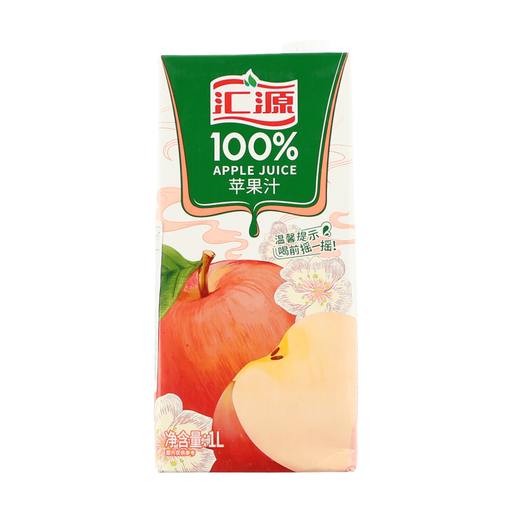 No image available
The 1L bottle is an option if you want to pour apple juice into glasses for people watching the match. Check its ingredients, sugars figure and storage instructions on the pack before deciding how many bottles you need.
 No image available
The six individual 250ml bottles suit a gathering where people prefer a lightly sparkling apple juice. Check the pack wording if a no-added-sugar claim is required, and compare nutrition figures for the amount you intend to serve.
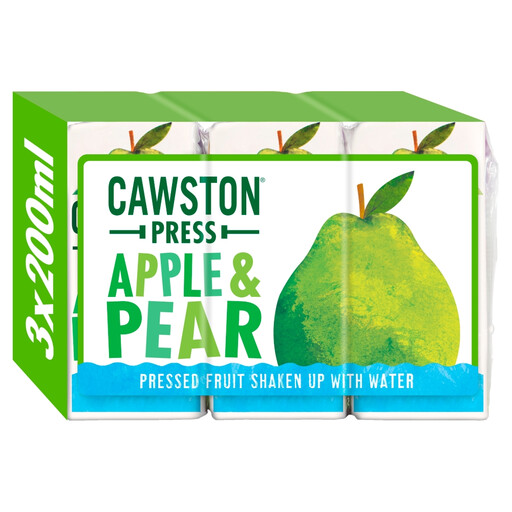 No image available
The three 200ml cartons offer an individually packed apple-and-pear drink for a small group. This is fruit water rather than apple-only juice; read the ingredients and nutrition label if that distinction matters to your guests.
No. Apple juice can contain naturally occurring sugars without sugar being added. The NHS counts sugars in unsweetened fruit juice as free sugars, so read the nutrition label to see how much sugar is in the amount you serve.
No. Squash is mixed with water before serving, whereas ready-to-drink apple juice is poured as sold. For example, Ocado’s listing for M&S Apple & Elderflower High Juice specifies 50% fruit juice and one part squash to four parts water; check its ingredients as well as the prepared-drink nutrition figures.
Compare the sugars figures for amounts you would actually serve, and check whether the squash figure is for the drink after dilution. Also check the product type: a prepared squash and undiluted apple juice are different drinks, even if both contain apple.
Check the pack volume or number of individual bottles against your planned glasses, then read the preparation and storage instructions. For guests with ingredient restrictions, check the full ingredient and allergen information before serving.