
24/7 Customer Support

Free returns

Same-day & Next-day Delivery

Quality Guaranteed

Unlock Your Welcome Offers: FREE Delivery | Up to 80% OFF | Free 30-day JoyPlus trial
Download the APP
From a quick breakfast fix to a child's lunchbox treat, apple snacks are a staple in many UK households. Yet, navigating the supermarket aisle can be tricky. Products promising wholesome goodness can sometimes hide surprising amounts of sugar, while snacks marketed for children may not always be the most suitable choice. Choosing the right product means looking past the appealing packaging and understanding what's really inside.
Many shoppers find themselves disappointed by snacks that don't live up to their "healthy" image or by products that are simply not right for their needs. Here are a couple of common pitfalls to watch for:
To make a more informed choice, it pays to focus on a few key details before you buy.
Instead of relying on front-of-pack claims, a quick check of the label can tell you everything you need to know. Here are the core parameters to analyse.
The ingredients on a food label are always listed in order of quantity, from highest to lowest. If sugar, glucose syrup or a similar sweetener is one of the first three ingredients, the product is likely more of a sweet treat than a healthy apple snack.
Pay close attention to the "of which sugars" value in the nutritional information. This figure includes both naturally occurring sugars from fruit and any added sugars. While snacks made from 100% fruit will contain natural sugars, it's the high levels of added refined sugar that are best avoided for everyday snacking.
The type of apple ingredient used directly impacts the flavour, texture and nutritional value.
Always check the allergen information, which is usually highlighted in bold. Common allergens in snack products include milk, nuts, soya and cereals containing gluten. For those seeking specific options, look for "Suitable for Vegans" or "Gluten-Free" certifications.
For babies and toddlers, age guidance (e.g., 4+ months, 7+ months) is crucial. Products for early weaning are formulated with a smoother texture to prevent choking and use simpler, organic ingredients without added salt or preservatives.
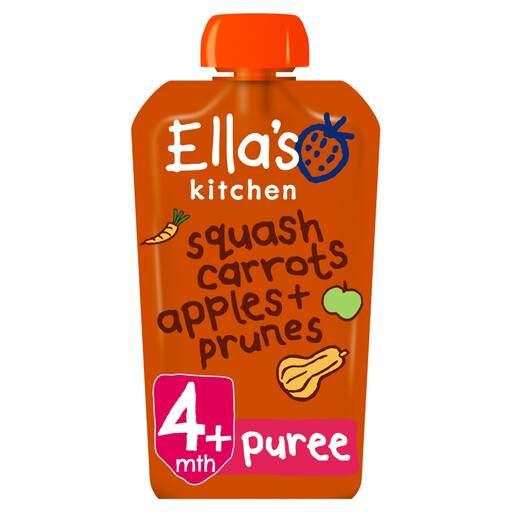
Why This Fits Their Persona: Ideal for parents in the UK starting the weaning journey. This pouch offers a gentle introduction to fruits and vegetables in a convenient, ready-to-serve format that is perfect for use at home or while out and about.
It directly counters the "hidden nasties" trap. The ingredients are simple and transparent: 100% organic fruit and veg with no added sugar, salt or water. It's a clear example of trustworthy organic apple baby food.
The super-smooth puree texture is designed for babies from 4+ months. The resealable pouch is practical for portion control.
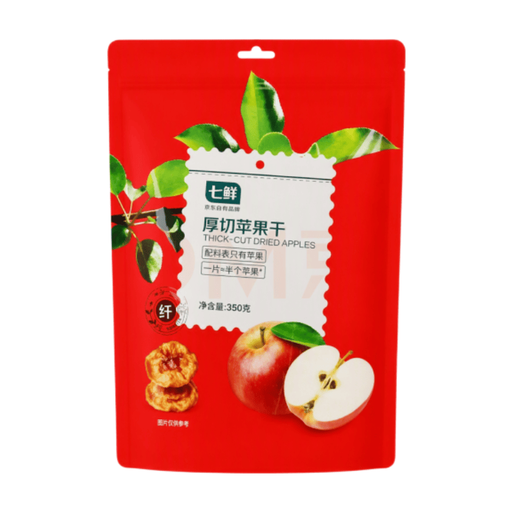
Why This Fits Their Persona: Perfect for adults looking for a simple, low-fat snack for the office or to take on a weekend walk. It provides a satisfyingly chewy texture and natural sweetness without any complex additives.
This product completely avoids the "healthy halo" trap by being exactly what it claims to be: just dried apples. There is no added sugar, fat or flavourings, making it a genuinely straightforward choice.
These are thick-cut, which helps preserve the fruit's natural fibre and provides a more substantial, crispy chew. The large 350g bag offers good value for regular snackers.
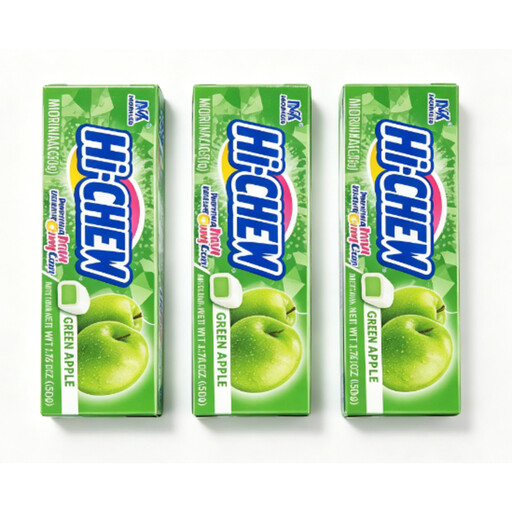
Why This Fits Their Persona: For those in the UK who enjoy exploring global confectionery, this Japanese candy offers a unique experience. It's a fun, flavour-packed treat rather than an everyday health food.
This product is transparent about what it is: a chewy fruit candy. It doesn't make misleading health claims, allowing consumers to enjoy it as an indulgent green apple candy without any pretence.
It delivers a distinctively long-lasting chewy texture and an intense, tangy green apple flavour that sets it apart from typical British apple sweets. The tube packaging is convenient for on-the-go.
We have compiled a complete, real-time list of products that fully satisfy these strict selection criteria and UK safety regulations.
"No added sugar" is a positive sign, but it's not the full story. You should also check the "of which sugars" line in the nutritional table. Snacks made with a high concentration of fruit puree or juice can still be high in naturally occurring sugars. While better than refined sugar, they should still be consumed in moderation as part of a balanced diet.
The main differences are texture, size and ingredients. Baby-specific apple rice cakes are formulated to be softer and dissolve more easily in the mouth to minimise choking risk for infants who are learning to self-feed. Their ingredient lists are typically simpler, with no added salt. Adult versions are often larger, much crispier, and may contain a wider range of flavourings or a higher sugar and salt content.
Look for the words "Flavouring" or "Artificial Flavours." UK food labelling regulations require that ingredients are listed clearly. If a product uses real fruit, the list will specify "Dried Apple," "Apple Puree," or "Apple Juice Concentrate," often with a percentage to show how much is included. The higher up the list this appears, the more significant its contribution to the product.