
24/7 全天候客户支持

免费退货

当日/次日达

品质保障

开启新人专享福利: 全场免邮 | 低至 2 折 | 免费试用 30 天 JoyPlus 会员
下载 Joybuy
If you train regularly in the UK, amino acid supplements can appear interchangeable at first glance. Powders may use similar flavours and bright packaging, while labels highlight recovery, hydration and performance in large type. The meaningful differences are usually found in the serving size, amino acid profile, electrolyte content and format.
This guide explains how to compare Applied Nutrition amino acid supplements without paying for features you do not need. It also highlights practical choices for gym training, bodybuilding, HIIT, cardio and endurance sessions.
Branched-chain amino acids (BCAAs) are leucine, isoleucine and valine. They are only three of the nine essential amino acids (EAAs) that must come from food or supplementation.
A BCAA powder may suit someone specifically looking for a simple 2:1:1 blend. However, buyers seeking a broader amino acid recovery supplement should check whether the product also includes the remaining EAAs, such as lysine, threonine, histidine and tryptophan.
A standard EAA recovery powder can mix easily with water, but that does not make it a hydration product. For long sessions, hot indoor gyms or endurance exercise, check for electrolytes, including sodium, potassium and magnesium.
A BCAA hydration powder combines amino acids with minerals intended to support fluid and electrolyte intake. It should still be used alongside normal water consumption and should not replace a varied diet.
A larger tub is not automatically better value. Serving instructions vary: some products use a 10g scoop, while smaller EAA sachet-style tubs specify a 13g serving. Compare:
For a broad formula, look for all nine EAAs. The Applied Nutrition Amino Fuel EAA range provides 9g of EAAs per 13g serving, including 6g of BCAAs in a 2:1:1 ratio and 2.5g of L-glutamine.
L-glutamine is also available separately in capsules. This can be useful if you already obtain sufficient EAAs from food or another supplement and want a simpler, single-ingredient format.
For training sessions involving substantial sweating, compare the mineral quantities rather than relying on the word “hydrate”. Applied Nutrition BCAA Amino Acids Hydration Powder lists approximately 0.8g sodium, 0.6g potassium and 0.3g magnesium per 10g serving, according to the supplied product information.
These values make the formula distinct from a conventional BCAA powder. Always check the label, particularly if you monitor mineral intake or use prescription medicines.
Powdered supplements are convenient for pre-, during- or post-workout use, but serving instructions differ. Amino Fuel powders are generally mixed with 250–400ml of cold water, depending on the pack size. Hydration powders use approximately 200–300ml.
Capsules remove flavour and mixing from the routine, although they may require several capsules per serving. Check capsule material and allergen information if you are looking for a vegan amino acid supplement or have dietary restrictions.
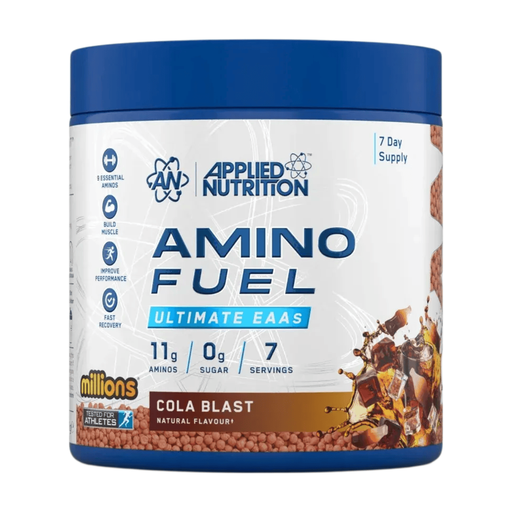
Why This Fits Their Persona: The smaller 91g format gives new supplement users a lower-commitment way to add an EAA recovery powder to a gym routine without immediately buying a larger tub.
The label clearly specifies 11g of amino acids per 13g serving, including 9g of EAAs, 6g of BCAAs and 2.5g of glutamine.
Compact pack; stated 2:1:1 BCAA ratio; suitable before, during or after exercise.
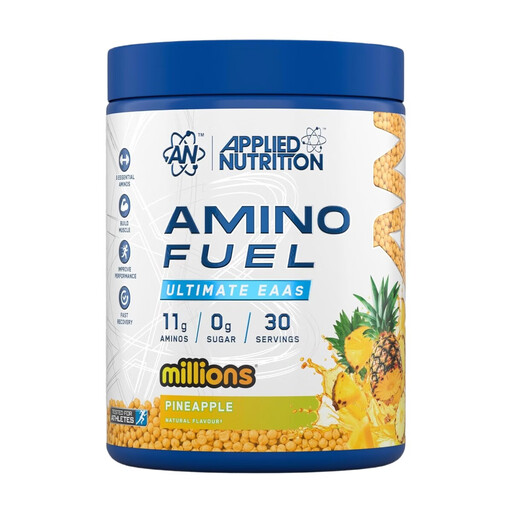
Why This Fits Their Persona: Regular lifters who want a clearly itemised triple-amino formula and a larger format may prefer this 390g tub for repeat use.
It does not rely on BCAA wording alone: the ingredient list includes the nine EAAs alongside L-glutamine.
390g size; approximately 4 kcal per 10g serving; pineapple flavour; mixes with cold water.
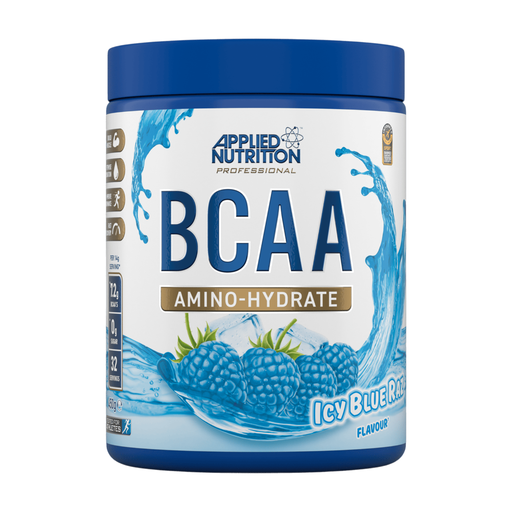
Why This Fits Their Persona: This suits adults completing longer HIIT, endurance or high-sweat sessions who want amino acids and electrolytes in one drink.
The formula lists electrolytes rather than presenting a standard BCAA powder as a complete hydration solution.
450g format; 2:1:1 BCAA ratio; sodium, potassium and magnesium included; designed for pre-, during- or post-exercise use.
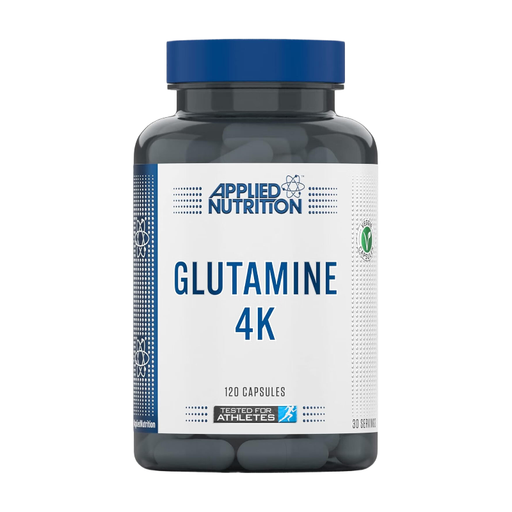
Why This Fits Their Persona: Capsule users who avoid flavoured drinks and want a vegan capsule shell may find this format easier to add to an established routine.
It is a single-ingredient glutamine option, so buyers are not paying for electrolytes or flavouring they may not require.
4,000mg L-glutamine per four-capsule serving; 120 capsules; vegan capsule shell.
Some products provide directions for use on training and rest days, while others specify a maximum number of servings. Daily use should follow the individual product label. Compare serving limits carefully rather than assuming all powders have the same instructions.
Choose an EAA recovery powder if your priority is a wider essential amino acid profile. Choose a BCAA hydration powder if electrolyte intake during longer or sweat-heavy sessions is also important. Neither option replaces adequate food and water.
The Applied Nutrition Glutamine Amino Acid Recovery product supplied here uses a vegan capsule shell. However, the listing also advises checking allergen information, which may include possible traces. Read the current packaging before purchase, particularly if you have allergies or intolerances.