
24/7 全天候客户支持

免费退货

当日/次日达

品质保障

开启新人专享福利: 全场免邮 | 低至 2 折 | 免费试用 30 天 JoyPlus 会员
下载 Joybuy
Finding the right Applied Nutrition amino acid powder can be harder than comparing flavours. Product names often highlight recovery, endurance or hydration, while the details that affect suitability—amino acid profile, electrolyte content, serving size and usage limits—may receive less attention.
For UK gym users, runners, cyclists and active adults, three common buying pitfalls are worth avoiding:
BCAAs are branched-chain amino acids: L-leucine, L-isoleucine and L-valine. A 2:1:1 ratio provides twice as much leucine as isoleucine and valine. This is clearly listed in several Applied Nutrition BCAA products.
An EAA powder contains the essential amino acids that the body cannot make itself. A broader EAA formula may be useful for people looking for a more complete amino acid profile. However, check the actual quantities per serving rather than relying on terms such as “complete” or “advanced”.
Some Applied Nutrition Amino Fuel options combine EAAs, BCAAs and L-glutamine. This can simplify a supplement routine, but it is still sensible to check whether you already consume similar ingredients through protein powders, meal replacements or other supplements.
A standard BCAA powder focuses mainly on amino acids. A hydration formula adds electrolytes such as sodium, potassium and magnesium, which can be more relevant for long sessions, hot indoor gyms, endurance training or workouts involving considerable sweating.
Applied Nutrition BCAA + Amino Hydrate powders provide BCAAs alongside electrolytes. The supplied product information lists approximately 0.8g of sodium, 0.6g of potassium and 0.3g of magnesium per 10g serving, so this is a formula to compare carefully with your overall dietary and supplement intake.
An electrolyte amino acid powder is not a replacement for ordinary water or a balanced diet. For shorter, lower-intensity sessions, you may prefer a simpler BCAA formula without added hydration ingredients.
Serving instructions vary. Several products use approximately 10g mixed with 200–300ml of cold water, while the Fruit Burst EAA Recovery Powder lists a 13g serving mixed with 500ml of water. These differences affect flavour strength, convenience and how long a tub lasts.
Before ordering, check:
For post-workout recovery powder, easy mixing matters. A product that dissolves in a shaker or bottle without persistent clumps is more practical for use at the gym, at home or during travel.
The following selections focus on formula, serving format and intended use rather than marketing language.
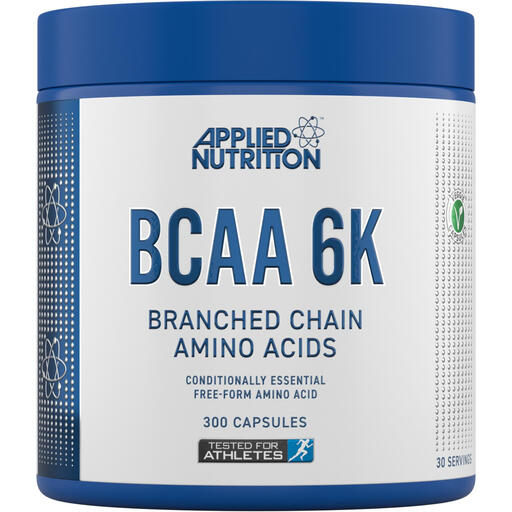
Why This Fits Their Persona: A capsule format suits adults starting a structured routine who prefer measured portions without mixing a drink. It may also be convenient for commuting to a UK gym or keeping supplements in a kit bag.
The product is identified as a vegan capsule format, making it easier to distinguish from powders marketed with similar recovery language.
Provides L-leucine, L-isoleucine and L-valine in a listed 2:1:1 ratio, with 300 capsules supplied.
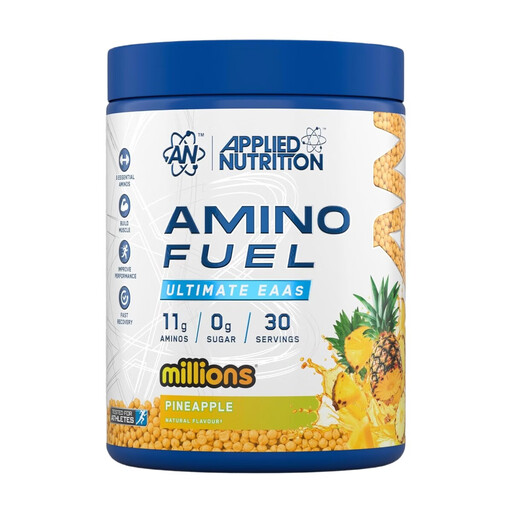
Why This Fits Their Persona: This is suited to adults who want one powder covering EAAs, BCAAs and glutamine for use during training or immediately afterwards.
Its stated ingredient list lets shoppers compare the full amino acid combination instead of judging value from flavour or pack presentation alone.
Contains EAAs, BCAAs and L-glutamine; one 10g scoop is mixed with 250–350ml of cold water.
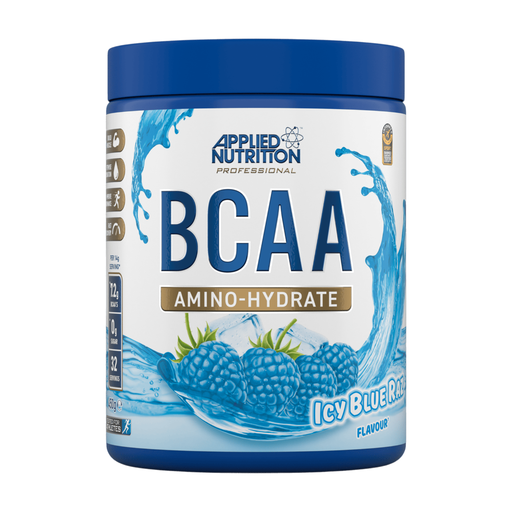
Why This Fits Their Persona: A suitable match for longer, high-intensity sessions where users want an amino drink with electrolyte support, including endurance work and demanding indoor training.
The label identifies the electrolytes and their approximate per-serving quantities, helping buyers assess hydration support more realistically.
450g powder format; includes BCAAs, L-glutamine, sodium, potassium and magnesium.
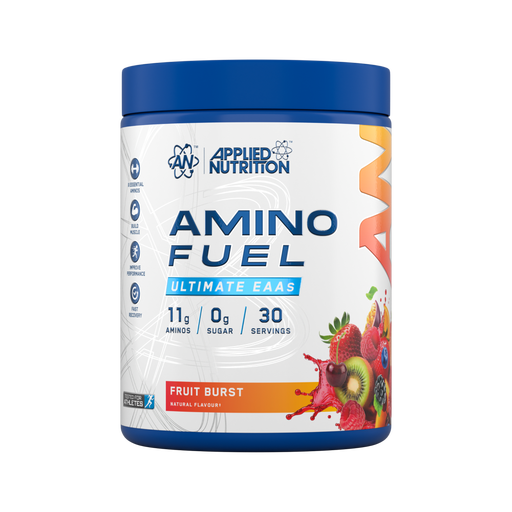
Why This Fits Their Persona: A practical option for active adults who want a full-spectrum EAA drink that can be prepared before, during or after workouts.
The stated 13g serving and 500ml mixing instruction make it easier to plan portions and water consumption.
Lists nine EAAs plus L-glutamine; supplies 390g of powder and a fruit-flavoured serving format.
We have compiled a complete, real-time list of products that fully satisfy these strict selection criteria and UK safety regulations.
The supplied product instructions generally allow use before, during or after training, depending on the formula. Check the individual label for the serving size and maximum daily intake. Amino acids should complement regular meals, adequate fluids and a varied, balanced diet rather than replace them.
This depends on the pack size and serving recommendation. For example, a 390g tub provides approximately 30 servings at 13g per serving, before accounting for any variation in scoop size. A 450g tub provides approximately 45 servings at 10g per serving. Always calculate servings using the stated gram weight, as scoop sizes can differ.
Choose a BCAA powder if you want a focused blend of leucine, isoleucine and valine. Choose an EAA BCAA glutamine powder if you prefer a broader amino acid combination in one drink. A hydration amino acid powder may be more relevant for longer or sweat-heavy sessions because it also provides listed electrolytes. Compare the label with your existing nutrition and supplements before buying.
Shopping note: Formulations, packaging, allergens and instructions can change. Check the product label and supplied warnings before consumption, particularly if you have a medical condition, take prescription medication, are pregnant or breastfeeding, or have known allergies.