
24/7 全天候客户支持

免费退货

当日/次日达

品质保障

开启新人专享福利: 全场免邮 | 低至 2 折 | 免费试用 30 天 JoyPlus 会员
下载 Joybuy
Long rides, runs, triathlon sessions and demanding gym workouts can make convenient carbohydrate intake useful. However, not every sports carbohydrate supplement suits every type of exercise. A large tub may offer good value but be impractical for occasional users, while a highly concentrated formula may not provide the electrolytes needed during a long, sweaty session.
The product name alone is not enough. Before buying an Applied Nutrition carbohydrate energy powder, check the carbohydrate amount, serving size, electrolyte profile, ingredients and intended timing.
A powder containing nearly 100g of carbohydrate per 100g may appear impressive, but the practical figure is the amount per serving. Applied Nutrition Carb X products generally provide around 24g of carbohydrate per 25g serving, whereas endurance drink powders provide approximately 47.8g per 50g serving.
Neither format is automatically right for everyone. A shorter indoor workout may need less carbohydrate, while a long cycle ride may require a drink that combines carbohydrate with fluid and minerals.
Maltodextrin, fructose, dextrose and highly branched cyclic dextrin are used in different combinations. Personal tolerance varies, particularly when exercising at high intensity. Introducing a new intra-workout energy powder during an event can be an avoidable mistake.
Start with the recommended serving and test the product during training. Adjusting the water volume can also change the drink’s concentration and taste, although it does not change the total carbohydrate in the serving.
“Vegan”, “gluten-free” and “Halal certified” are useful indicators, but they should not replace reading the packaging. Some products may contain or potentially handle soya, milk, egg or cereals containing gluten. Formulations and manufacturing information can change, so check the supplied label before consumption, particularly if you have an allergy or intolerance.
Look for the carbohydrate per serving, not only the percentage per 100g. Applied Nutrition endurance powders use maltodextrin and fructose, supplying around 47.8g per 50g serving. This can be practical for prolonged exercise when you also want a drink format.
Carb X uses Highly Branched Cyclic Dextrin, also known as Cluster Dextrin in some product listings. Selected versions provide 24g carbohydrate per 25g serving, with zero fat and zero sugar listed in the nutrition information. This makes it a compact carbohydrate powder for training or post-workout use.
A carbohydrate drink is not necessarily an electrolyte hydration powder. If you sweat heavily or train for extended periods, compare the sodium and total electrolyte information rather than relying on phrases such as “hydration support”.
The Applied Nutrition Carbohydrate Energy Powder Lemon & Lime lists sodium, magnesium, calcium and potassium in its formula. Its suggested preparation is 50g mixed with 500–750ml of water. Other endurance variants list approximately 300mg of electrolytes per serving. This is different from Carb X, where the listed nutrition profile contains no salt.
Powders require a bottle or shaker and access to water. Energy gels are more portable, while cream of rice is better suited to a bowl-based meal or pre-training snack.
Check whether the product meets your dietary requirements. Several Carb X flavours are listed as suitable for vegan, vegetarian, gluten-free and Halal diets, while Toffee Biscuit Cream of Rice contains milk. A product described as suitable for a particular diet should still be checked against the current pack label.
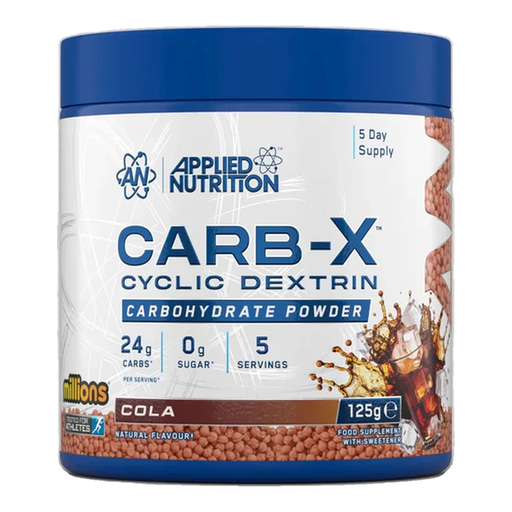
Why This Fits Their Persona: The 125g pack offers a smaller way to try a Cluster Dextrin carb powder before committing to a larger tub.
The 25g serving size makes the carbohydrate quantity clear, avoiding the need to estimate from the large-pack nutrition panel.
Provides 24g carbohydrate per serving, with zero fat and zero sugar listed; vegan and gluten-free according to the product information.
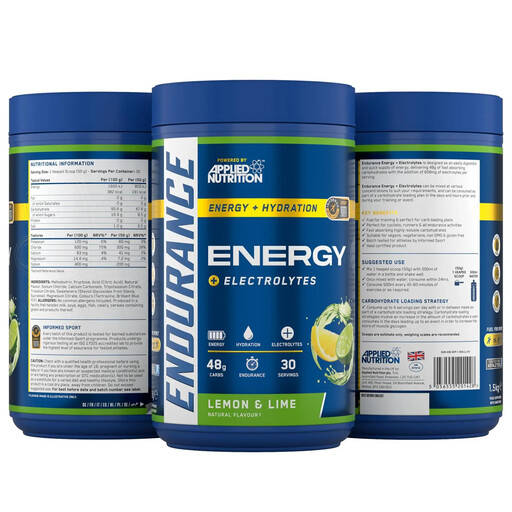
Why This Fits Their Persona: A larger format for runners, cyclists and triathletes who regularly train for longer than an hour and want carbohydrate and electrolytes in one bottle.
The label states both carbohydrate and mineral quantities, so it is not marketed as a carbohydrate-only drink.
47.8g carbohydrate per 50g serving; contains maltodextrin, fructose, sodium, magnesium, calcium and potassium; listed as vegan and gluten-free.
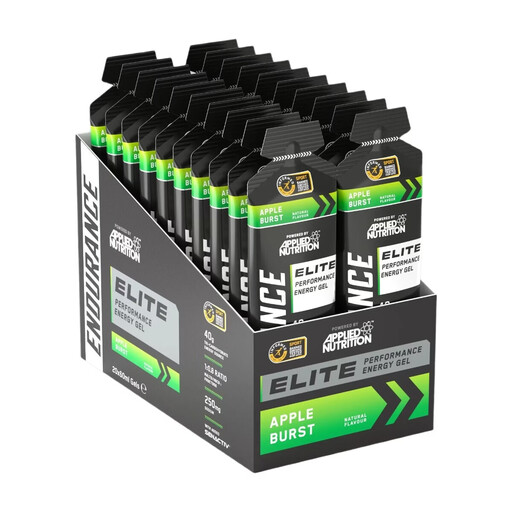
Why This Fits Their Persona: Designed for long-distance runners and cyclists who need a portable energy gel rather than another bottle during an event.
The pack states 40g carbohydrate and 250mg sodium per gel, making it easier to plan intake during prolonged activity.
Portable 60ml gel format; includes maltodextrin, fructose and highly branched cyclic dextrin, with usage guidance of one to three gels per hour.
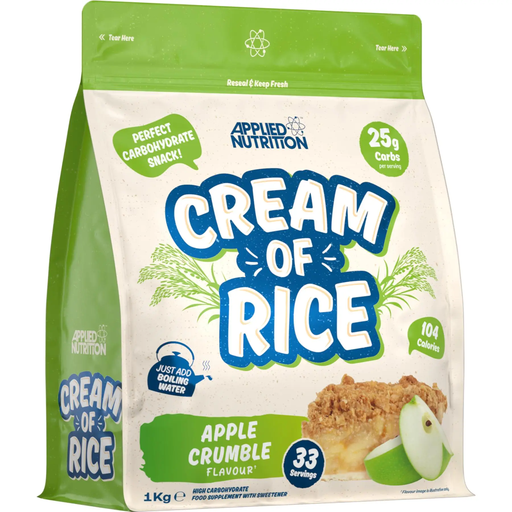
Why This Fits Their Persona: A bowl-based option for gym-goers and active adults who prefer food-style carbohydrate intake before training or as part of daily fuelling.
Its serving guidance and preparation method are clearly stated, helping buyers distinguish a meal-style powder from an intra-workout drink.
Provides 25g carbohydrate per 30g serving; mixes with warm water, cold water or milk; Apple Crumble is listed as vegan-friendly.
For post-session glycogen replenishment or a workout recovery supplement, consider the total carbohydrate in your meal and drink rather than automatically adding multiple servings. Food supplements should form part of a varied, balanced diet.
We have compiled a complete, real-time list of products that fully satisfy these strict selection criteria and UK safety regulations.
It can be used around shorter sessions, but the endurance drink formats are primarily intended for prolonged activity. For a brief workout, compare the serving size with your overall dietary carbohydrate needs and avoid taking more than the label recommends.
Not always. Powder requires water, a bottle and mixing, while a gel is ready to consume and easier to carry during a race. A powder may be more practical for training rides or gym sessions where you already have a drink bottle.
Keep the container tightly closed in a cool, dry place away from heat, moisture and direct sunlight. Always follow the best-before information and check the current ingredients, warnings and dosage on the packaging before use.