
24/7 Customer Support

Free returns

Same-day & Next-day Delivery

Quality Guaranteed

Unlock Your Welcome Offers: FREE Delivery | Up to 80% OFF | Free 30-day JoyPlus trial
Download the APP
By Joybuy Product Recommendation Officer
Carbohydrate powders can be useful when carrying food is inconvenient, training lasts for a long time or you want to measure your carbohydrate intake more precisely. However, choosing the right Applied Nutrition carbohydrate energy powder involves more than picking a flavour and the largest tub.
The main buying mistakes are usually easy to overlook:
Below is a practical way to compare Applied Nutrition Carb X, carbohydrate powder for workouts and carb-and-electrolyte products without relying on exaggerated performance promises.
Start with the serving size, not just the tub weight. Applied Nutrition Carb X products generally provide 24g of carbohydrate per 25g serving, with some versions listing zero fat and zero sugar. This makes the serving size relatively straightforward to track around training.
The Applied Nutrition endurance formulas provide approximately 47.8g of carbohydrate per 50g serving, alongside electrolytes. They use carbohydrate sources including maltodextrin and fructose, with around 8.5g of sugars per serving according to the supplied nutrition information.
Neither profile is automatically right for everyone:
Carb X uses highly branched cyclic dextrin, also known as Cluster Dextrin in the listed ingredients. The powder is described as highly soluble and provides 24g of carbohydrate per serving. The unflavoured version lists highly branched cyclic dextrin as its ingredient, while some flavoured versions include flavourings, sweetener and colouring.
The endurance products use a dual-source carbohydrate blend based on maltodextrin and fructose. They also include sodium, potassium, calcium and magnesium compounds.
Technical terms should not replace practical testing. Individual tolerance varies, particularly when drinking carbohydrate powder during movement. Start with the label’s suggested preparation, avoid introducing a new product immediately before an important event and adjust only when you understand how your stomach responds.
A carbohydrate powder is not necessarily an electrolyte drink. Carb X nutrition information lists 0g salt per 25g serving, while the endurance formulas list approximately 0.5g salt and 300mg electrolytes per serving in the supplied product details.
For hot-weather sessions, long rides or prolonged runs, a carb and electrolyte powder may be more convenient than combining separate products. For shorter workouts, plain water alongside a carbohydrate serving may be all that is required, depending on your normal diet and training plan.
Dietary suitability also needs careful checking:
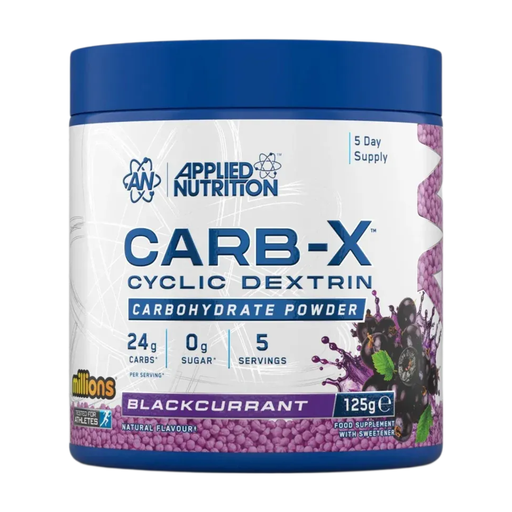
Why This Fits Their Persona: The 125g pack offers a lower-commitment way to assess flavour, preparation and personal tolerance before buying a larger tub for regular use.
It avoids paying for a large pack before confirming that a 24g serving and blackcurrant flavour fit your routine.
24g carbohydrate per 25g serving; listed as vegan and gluten-free, with allergen trace warnings to review.
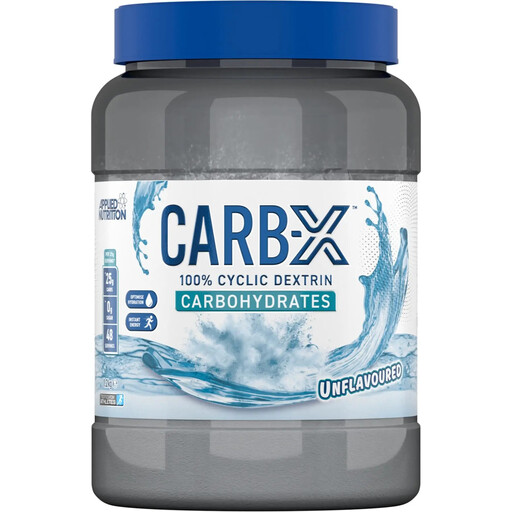
Why This Fits Their Persona: The unflavoured format suits shoppers who want to mix carbohydrate powder with another drink or control the taste of their intra-workout routine.
It avoids assuming that added flavour or electrolytes are essential when your training plan already covers those needs separately.
Lists highly branched cyclic dextrin as the ingredient; provides 25g carbohydrate per 25g serving according to its nutrition panel.
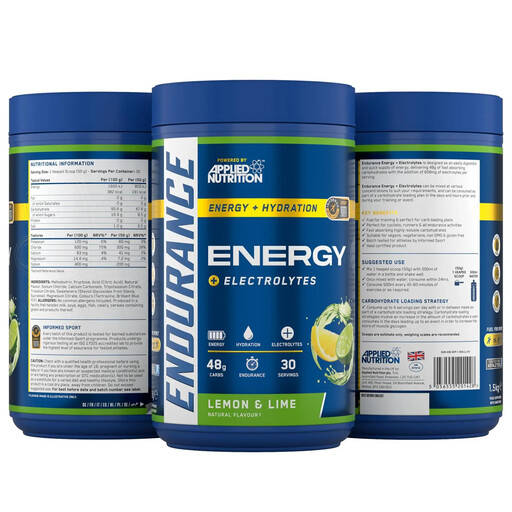
Why This Fits Their Persona: Runners, cyclists and endurance competitors can use the 50g serving with 500–750ml of water when they want carbohydrate and electrolyte provision in one bottle.
It clearly separates endurance fuelling from lower-dose workout products by stating both carbohydrate and electrolyte quantities.
Approximately 47.8g carbohydrate and 0.5g salt per serving; Informed-Sport batch testing is stated in the product information.
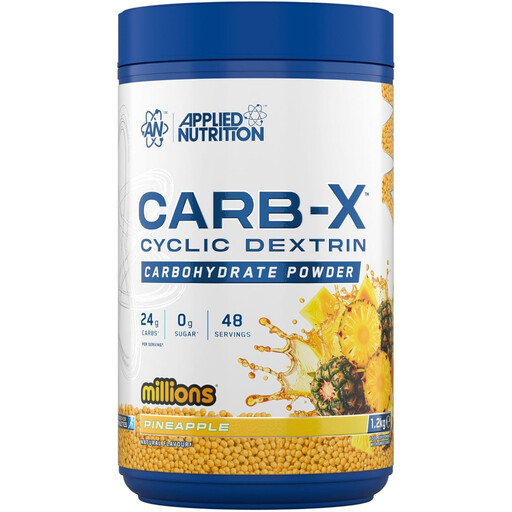
Why This Fits Their Persona: Suitable for adults seeking a vegan carbohydrate supplement with a flavoured option for regular training, subject to checking the latest label and certification details.
It provides dietary suitability information alongside the serving data, rather than leaving shoppers to infer whether the product meets their requirements.
24g carbohydrate per 25g serving; product information states vegan, vegetarian, gluten-free and Halal suitability.
We have compiled a complete, real-time list of products that fully satisfy these strict selection criteria and UK safety regulations.
Follow the product label rather than treating a scoop as an exact measurement. Several Carb X listings recommend mixing 25g with 300–500ml or 500ml of water, while endurance products suggest 50g with 500–750ml. A kitchen or food scale is more reliable than an estimated scoop.
For post-workout recovery carbs, consider the amount in your overall meal plan. A carbohydrate drink can be convenient, but it should complement a varied diet rather than replace regular meals. Store the powder sealed in a cool, dry place and check the best-before information on the pack.
It can be used around training according to the product directions, but a carbohydrate supplement may not be necessary for every short or low-intensity session. Compare the 24g serving with your normal food intake and the actual duration of exercise.
Carb X is centred on highly branched cyclic dextrin and typically provides 24g carbohydrate per serving. The endurance formulas provide approximately 48g carbohydrate plus electrolytes per 50g serving, making them more directly suited to longer activities where fluid and salt replacement are also part of the plan.
Some listed Carb X products state vegan, vegetarian, gluten-free and Halal suitability. Formulations and manufacturing information can change, and certain products may contain traces of common allergens. Check the current label, certification and allergen statement before consuming.