
24/7 全天候客户支持

免费退货

当日/次日达

品质保障

开启新人专享福利: 全场免邮 | 低至 2 折 | 免费试用 30 天 JoyPlus 会员
下载 Joybuy
Navigating the world of protein powders can feel overwhelming. Shelves are packed with tubs all promising significant muscle gains, but the reality is often disappointing. Many UK consumers find themselves with a half-used tub of powder that tastes chalky, mixes poorly or simply doesn't deliver on its promises. Before you invest in your next protein supplement, it's crucial to understand the common pitfalls that can lead to a wasted purchase.
As a Joybuy Product Recommendation Officer, my role is to help you see past the marketing jargon. Here are a few frequent traps to watch out for:
muscle repair protein shake an unpleasant chore.To make an informed choice, you don't need a degree in nutrition, just a clear idea of what to look for on the label. Focusing on a few core parameters will ensure you get a product that works for you.
Not all whey is created equal. A high-quality powder will often use a multi-source whey blend to provide different absorption rates, which is beneficial for sustained muscle repair. Here’s a quick breakdown:
A product that transparently lists these components, like Applied Nutrition Critical Whey Protein, shows a commitment to a functional, well-rounded formula rather than hiding behind vague terms.
To determine the real value of a protein powder, look at the nutrition panel. Divide the grams of protein by the serving size in grams. A good quality powder should have a protein content of 70% or higher.
For regular users, investing in a 2kg whey protein tub is often the most cost-effective option. While the initial outlay is higher, the price per serving is significantly lower than smaller tubs. This makes it a practical choice for anyone incorporating a protein powder for fitness into their daily routine, ensuring you don't run out at an inconvenient time.
The difference between a clumpy, unpleasant shake and a smooth, delicious one comes down to the supporting ingredients. Look for powders that use high-quality emulsifiers like sunflower lecithin, which helps the powder dissolve effortlessly in water or milk.
When it comes to flavour, natural ingredients like cocoa powder can create a rich taste without the artificial notes. A well-formulated chocolate hazelnut protein powder should taste like a treat, not a chemistry experiment. This focus on taste is what separates an adequate powder from one you will genuinely look forward to drinking, making it one of the best tasting whey protein UK options available.
Instead of a one-size-fits-all approach, we've matched some of our recommended protein powders to specific user needs.
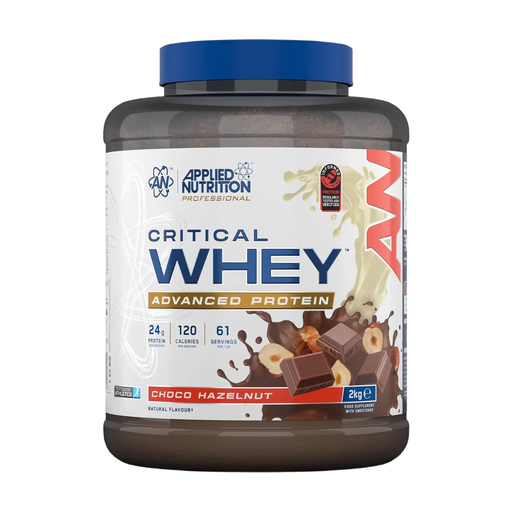
Why This Fits Their Persona: This is an ideal all-rounder for someone in the UK who trains regularly and needs a reliable, cost-effective protein source. The 2kg tub offers excellent value for long-term use, and the multi-source blend provides both fast and sustained protein release to support daily muscle repair.
It features a transparent blend of Whey Concentrate, Isolate and Hydrolysate, avoiding the "proprietary blend" pitfall. The protein-to-serving ratio is high (24g protein in a 33g scoop), ensuring you are not paying for fillers.
Excellent mixability due to sunflower lecithin and a rich chocolate hazelnut flavour that makes it enjoyable for daily consumption. Great cost-per-serving in the large 2kg format.
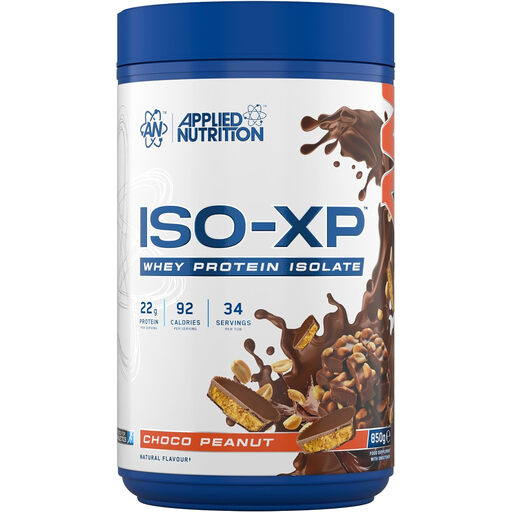
Why This Fits Their Persona: For those on a strict calorie-controlled diet or in a cutting phase, every gram of fat and carbohydrate matters. This isolate provides an exceptionally clean protein source to support lean muscle while minimising other macronutrients.
This product is the antithesis of a filler-heavy powder. It is 100% whey protein isolate, delivering an extremely high protein percentage (90g per 100g). It directly addresses the misleading serving size trap by offering maximum protein purity.
Offers less than 1g of carbohydrates and fat per serving, making it one of the cleanest options for macro-tracking. It is also soy-free and uses sunflower lecithin for smooth mixing.
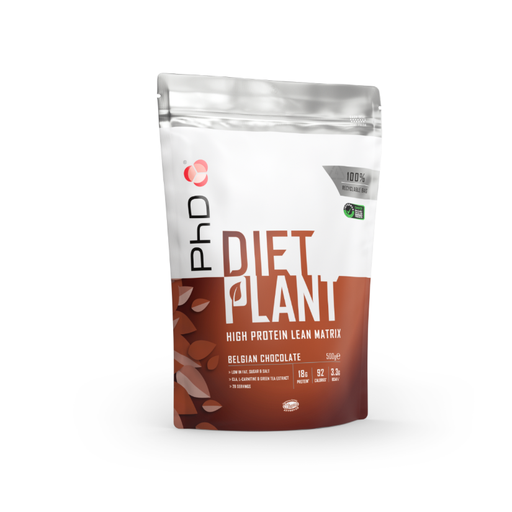
Why This Fits Their Persona: For those following a vegan diet or with a dairy intolerance, finding a protein powder that tastes good and mixes well can be a challenge. This option is specifically formulated to provide a smooth texture and rich flavour, along with added ingredients to support weight management goals.
It directly tackles the common plant-protein pitfall of poor taste and gritty texture by focusing on a quality flavour system. The formula is transparent, low in sugar and avoids unnecessary fillers, providing a clean nutritional profile.
This is a 100% vegan-friendly formula that is also low in calories (92 kcal per serving). It is fortified with CLA, L-Carnitine and Green Tea Extract to provide additional support for fat loss goals.
We have compiled a complete, real-time list of products that fully satisfy these strict selection criteria and UK safety regulations.
The recommended usage is typically 1-3 servings per day, depending on your individual fitness goals, diet and body weight. A common approach is to consume one serving immediately after a workout to aid muscle recovery. On non-training days, a shake can be used to supplement your protein intake between meals. Always check the product label for specific guidance and do not exceed the suggested use.
Absolutely. While water and milk are the most common choices, whey protein is very versatile. For a thicker, more nutrient-dense shake, you can blend it with Greek yoghurt, a banana or a handful of oats. Many people also add a scoop of unflavoured or vanilla protein to their morning porridge or mix it into pancake batter for a protein-rich breakfast.
For anyone who uses protein powder regularly (3+ times a week), a 2kg tub is almost always a more economical choice. The cost per serving is significantly lower compared to buying smaller 500g or 1kg tubs. Just ensure you store it correctly—in a cool, dry place with the lid tightly sealed—to maintain its freshness and quality over time.