
24/7 全天候客户支持

免费退货

当日/次日达

品质保障

开启新人专享福利: 全场免邮 | 低至 2 折 | 免费试用 30 天 JoyPlus 会员
下载 Joybuy
An energy gel can be useful when carrying food is inconvenient, but choosing the wrong formula may leave you with too much caffeine, insufficient carbohydrate or an unpleasant stomach experience. Applied Nutrition energy gels cover several distinct uses, from long-distance fuelling to high-caffeine pre-workout support.
Before buying, focus on the label rather than phrases such as “clean energy” or “advanced performance”. The following checks can help UK runners, cyclists, triathletes and gym-goers select a suitable option.
A zero-sugar energy gel may still contain a substantial amount of carbohydrate. The Applied Nutrition isotonic endurance gels provide around 23g of carbohydrate per 60g sachet, while their Endurance Elite products provide 40g per gel. “Zero sugar” refers to the sugar value on the nutrition panel, not an absence of carbohydrate or calories.
If you need fuel for a long run or cycle, compare the carbohydrate per serving with your planned intake. If you simply want to avoid added sugar, check the full ingredients and nutrition information rather than relying on the front of the pack.
An endurance energy gel and a pre-workout energy gel are not interchangeable. Endurance products generally prioritise carbohydrate, while pre-workout formats may contain caffeine, creatine, beta-alanine and citrulline malate.
For example, ABE Pre Workout Energy Gel contains 200mg of caffeine per 60g gel, alongside 4g citrulline malate, 3g creatine monohydrate and 2g beta-alanine. That profile is designed for pre-training use, not repeated consumption throughout a marathon or cycling sportive.
An isotonic energy gel is designed to be consumed without additional water according to the product information. However, this does not mean it replaces normal fluid intake, particularly during warm-weather training, indoor sessions or prolonged events.
Sweat losses vary between individuals. Continue drinking appropriately and consider the product’s sodium and electrolyte content. Some gels contain only modest electrolyte quantities, while the Endurance Elite range lists 250mg of sodium per gel.
For energy gels for running, cycling and triathlon training, carbohydrate quantity is the first practical comparison. The products in this range include:
A higher carbohydrate serving may be useful during prolonged activity, but it can also feel heavier for some users. Test any new product during training rather than first using it on race day.
Caffeine content ranges from caffeine-free endurance gels to 75mg caffeinated energy gels and 200mg ABE pre-workout gels. Check your total daily intake from coffee, tea, energy drinks and supplements before using a caffeinated gel.
Caffeinated products are not suitable for everyone. Follow the age and usage warnings on the packaging and seek advice from a healthcare professional if you are pregnant, breastfeeding, taking medication or managing a medical condition.
An electrolyte energy gel may contain sodium, magnesium or chloride, but the amount differs considerably. Check the per-serving table rather than assuming that every gel offers meaningful electrolyte replacement.
Also consider format. A 60g tear-open sachet is convenient for a running belt or cycling jersey, while a thicker carbohydrate gel may be easier to portion during slower training. Products listed as Informed Sport energy gels should still be checked against the current packaging and programme information before competition use, as formulations and certification status can change.
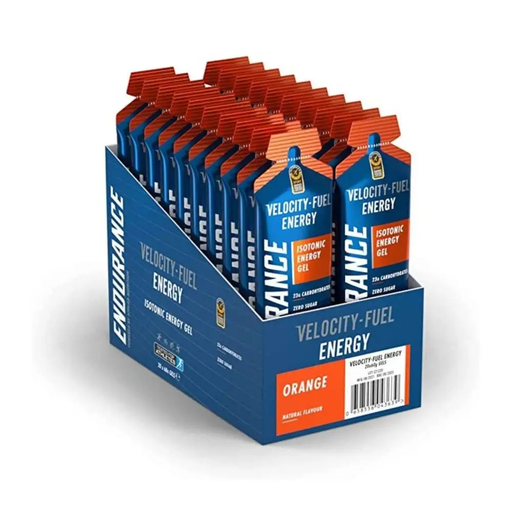
Why This Suits Their Persona: A straightforward starting point for runners and cyclists who want caffeine-free, sugar-free carbohydrate support in portable sachets.
The label identifies 23.1g carbohydrate and 0g sugar per 60g gel, helping shoppers distinguish carbohydrate fuel from sugar claims. It contains no listed caffeine.
23.1g carbohydrate per serving; direct-to-mouth sachet format; caffeine-free formula.
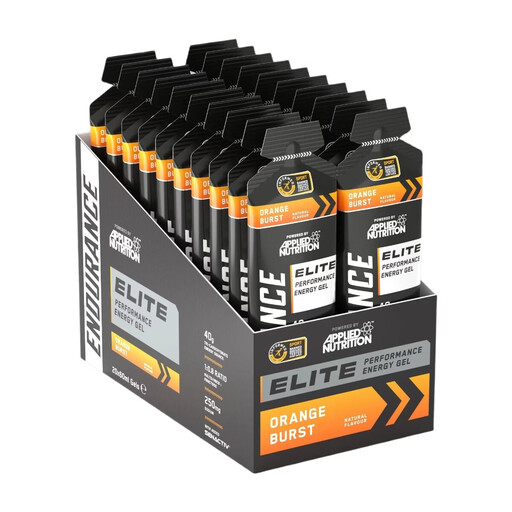
Why This Suits Their Persona: Suited to long-distance runners, cyclists and triathletes who want a higher carbohydrate serving for extended sessions.
Its label clearly states 40g carbohydrate and 250mg sodium per gel, making the fuel and electrolyte contribution easier to plan.
Tri-source carbohydrate blend; 40g carbohydrate per gel; 250mg sodium; listed as Informed Sport batch tested.
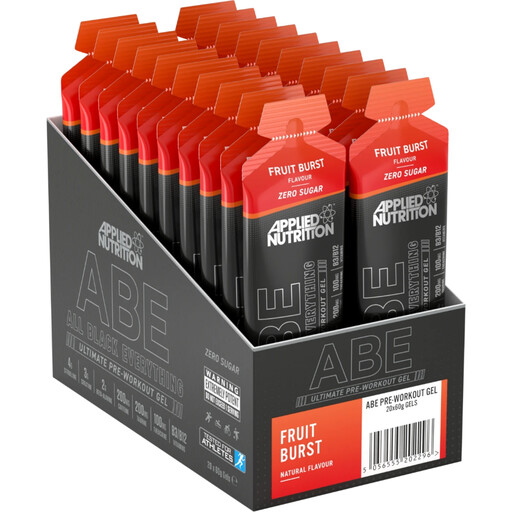
Why This Suits Their Persona: Designed for healthy adults who prioritise a concentrated pre-workout format for gym sessions, intervals or demanding training.
It is clearly positioned as a pre-workout gel, with a stated maximum of one serving per day. This helps prevent treating a high-caffeine formula like a standard endurance gel.
200mg caffeine; 4g citrulline malate; 3g creatine monohydrate; zero sugar; no water required.
We have compiled a complete, real-time list of products that fully satisfy these strict selection criteria and UK safety regulations.
Follow the serving guidance on the specific product. The Endurance Elite range lists one to three gels per hour during activity, with a maximum daily amount shown on the label. Lower-carbohydrate isotonic gels can be used as required during endurance exercise. Practise your timing and tolerance during training and maintain suitable fluid intake.
Some are. ABE Pre Workout Energy Gel is intended for use around 15 minutes before exercise and contains 200mg caffeine per serving. Standard carbohydrate gels are generally more relevant to fuelling prolonged activity. Always check the caffeine content and avoid combining products without accounting for your total intake.
No. Creatine gummies are designed for daily creatine supplementation rather than immediate carbohydrate fuelling. Applied Nutrition Creatine Gummies provide 3g of creatine monohydrate per four-gummy serving, according to the supplied product information. They should be assessed separately from energy gels and used according to the label.