
24/7 Customer Support

Free returns

Same-day & Next-day Delivery

Quality Guaranteed

Unlock Your Welcome Offers: FREE Delivery | Up to 80% OFF | Free 30-day JoyPlus trial
Download the APP
Choosing among Applied Nutrition energy supplements can be confusing. Energy gels, carbohydrate powders, sports energy drinks and MCT oil serve different purposes, yet product pages often use broad phrases such as “rapid energy” without making the practical differences clear.
Before buying, UK shoppers should look beyond flavour and pack size. The most useful checks are carbohydrate quantity, caffeine level, electrolyte content, dietary suitability and whether the format matches the activity.
A zero sugar energy gel may still contain a significant amount of carbohydrate. For example, some Applied Nutrition gels provide around 23g of carbohydrate per sachet, while listing 0g of sugars. This can suit people looking for carbohydrate fuel without sugar listed in the nutrition panel, but it should not be treated as a carbohydrate-free product.
If you are counting total carbohydrate, compare the full nutrition table rather than relying on front-of-pack wording.
A standard gel may be thick and more comfortable with water. An isotonic energy gel is formulated for direct consumption and may not require additional water, although hydration remains important during prolonged exercise. Check the directions for the exact product rather than applying one gel’s instructions to another.
A caffeine energy gel can be useful before or during demanding activity, but it is not suitable for everyone. Caffeine intake from coffee, tea, pre-workout products and energy drinks should be considered together. Applied Nutrition caffeine gels listed here contain 75mg per serving, and their product information advises against use by children, pregnant or breastfeeding women.
For endurance sessions, compare the carbohydrate supplied per serving rather than the total tub or box size. The available range includes:
A blend of carbohydrate sources, such as the stated 1:0.8 maltodextrin-to-fructose ratio in the Endurance Elite gels, is a product specification—not a guarantee of comfort or performance. Test any new fuel during training before using it at an event.
Sweat losses vary with weather, pace and individual physiology. Compare the actual figures:
If you are exercising in warm conditions or for a long duration, a separate drink or electrolyte product may still be needed. Do not assume that a carbohydrate gel replaces your normal hydration plan.
Vegan sports supplements are available, but certification and allergen statements still need checking. Carb X products are listed as suitable for vegan, vegetarian and gluten-free diets, with some variants also listed as Halal certified. Cream of rice is also listed as vegan-friendly and Halal certified for the stated flavour.
Some gels are described as Informed-Sport tested supplements or batch tested under the Informed-Sport programme. This relates to the applicable testing status, not a promise of improved sporting results. Competitive athletes should check the latest packaging and certification details before purchase.
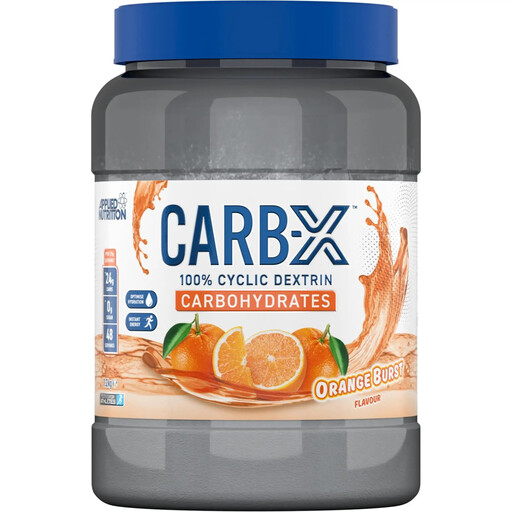
Why It Suits This User Profile: A 1.2kg tub gives regular gym-goers and new runners a practical way to portion carbohydrate drinks before, during or after training without buying individual sachets.
The label provides a clear 24g carbohydrate serving and 0g sugar, fat and salt, avoiding vague “clean energy” wording.
Highly branched cyclic dextrin; vegan, vegetarian and gluten-free suitability is stated for the product.
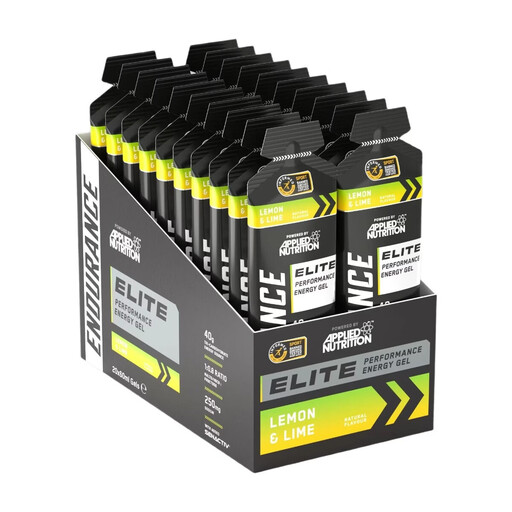
Why It Suits This User Profile: Suited to marathon, ultra-distance and triathlon participants who want a higher-carbohydrate sachet for long sessions.
The per-gel figures are explicit: 40g carbohydrate and 250mg sodium, rather than relying only on endurance-focused branding.
Tri-source carbohydrate blend; Lemon & Lime flavour; Informed-Sport testing is stated in the product information.
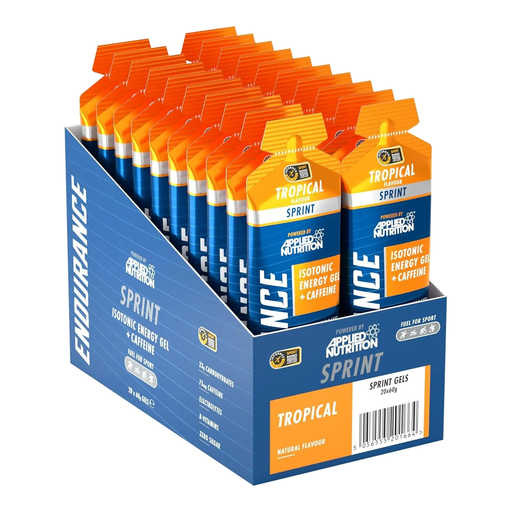
Why It Suits This User Profile: Designed for active adults who want a portable gel containing carbohydrate, caffeine, electrolytes and B vitamins in one sachet.
It separates the caffeine figure from the carbohydrate figure: 75mg caffeine and 23.1g carbohydrate per 60g serving.
Zero sugar formulation; magnesium, sodium and B vitamins are listed; direct consumption is specified.
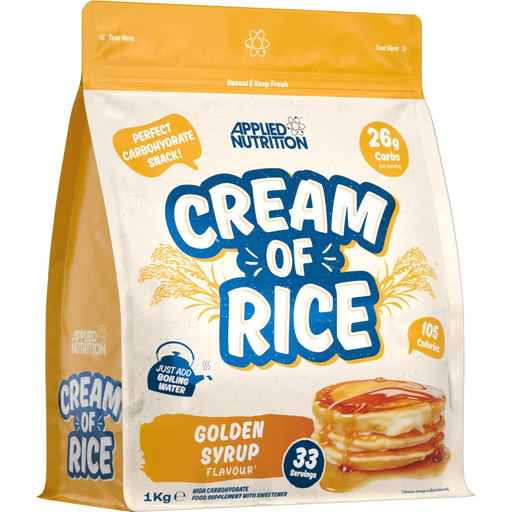
Why It Suits This User Profile: A spoonable carbohydrate option for vegans and active adults who prefer food-style fuelling before training rather than a gel during exercise.
The serving size and preparation are clear: 30g mixed with 150–200ml of water or milk, rather than an undefined scoop.
25g carbohydrate per serving; low sugar and low fat; listed as vegan-friendly and Halal certified.
We have compiled a complete, real-time list of products that fully meet these strict selection criteria and UK safety regulations.
For longer runs, compare the carbohydrate amount per gel and whether electrolytes are included. Tri-carb gels provide 40g carbohydrate and 250mg sodium per serving, while isotonic gels provide around 23g carbohydrate and are designed for direct consumption. Practise your chosen fuelling schedule during training.
Several listed gels provide 0g sugars, but they still contain carbohydrate, sweeteners or maltodextrin. Read the ingredient and nutrition panels carefully. Caffeine-containing versions also require a separate caffeine check.
Yes, the listed Carb X products are mixed with water to create a carbohydrate drink for before, during or after exercise. However, they contain little or no listed sodium, so users may need a separate electrolyte source depending on the session and personal hydration plan.
Always check the latest packaging, allergen statement and directions before consumption, particularly if you have a medical condition, take medication or follow a specific dietary regime.