
24/7 Customer Support

Free returns

Same-day & Next-day Delivery

Quality Guaranteed

Unlock Your Welcome Offers: FREE Delivery | Up to 80% OFF | Free 30-day JoyPlus trial
Download the APP
For UK gym-goers, bodybuilders and adults trying to increase their calorie intake, an Applied Nutrition mass gainer can be a convenient way to add protein and carbohydrates to a daily eating plan. However, large tubs and impressive ingredient lists do not automatically make a product suitable for your goals.
The practical choice depends on the serving size you can tolerate, the calorie surplus you actually need, dietary restrictions, flavour preference and whether you want a powder or a ready-to-drink protein shake.
A tub may advertise a very high calorie figure, but the number could relate to a large serving mixed with milk. Compare products using the same preparation method and check both the per-100g and per-serving nutrition panels.
For example, Critical Mass Original provides 382 kcal per 100g and 917 kcal per 240g serving. Critical Mass Professional lists 377 kcal per 100g and 566 kcal per 150g serving. Neither figure is automatically right for every user: the more useful product is the one that fits your daily calorie gap.
A weight gainer powder supplies calories, but it cannot decide where those calories are stored. A large surplus may increase total body weight faster, while a smaller surplus may be easier to adjust alongside structured training and balanced meals.
Treat a high-calorie mass gainer as a convenient food supplement rather than a replacement for a varied diet. Start with the label’s suggested serving and monitor your overall intake.
Milk-based products are not suitable for people with milk allergies, and some formulas also contain wheat, oats, egg or soy. A product described as a beef protein mass gainer may avoid dairy, but you should still read the complete ingredient and allergen information.
Do not rely solely on a product title or promotional description. Formulations and packaging can change, so check the label supplied with your order before consumption.
A useful mass gainer combines protein and carbohydrate powder in proportions that suit your training and eating routine.
A lower-calorie protein drink may be more suitable for topping up protein after training, whereas a high-calorie mass gainer is more appropriate when eating enough food is difficult.
Critical Mass formulas use milk-derived proteins, with some versions also containing egg or wheat ingredients. Beef-XP uses beef protein isolate and is listed as dairy-free, gluten-free and soy-free, making it a practical option for some restricted diets. The Beef-XP range is also listed as Halal certified.
These terms describe the supplied product information, not a recommendation for every dietary need. If you have an allergy, intolerance, medical condition or follow a medically prescribed diet, check the current packaging and seek appropriate advice before use.
A 2.4kg tub is easier to trial or store, while 6kg packaging may suit people who already know their preferred flavour and expect regular use. Large packaging can offer more servings, but it is poor value if the taste or texture makes you abandon it.
Also consider preparation. Powders generally require a shaker and 300–1,000ml of liquid, depending on the product. A ready-to-drink protein shake needs no mixing, which can be useful after a workout, during a commute or at work.
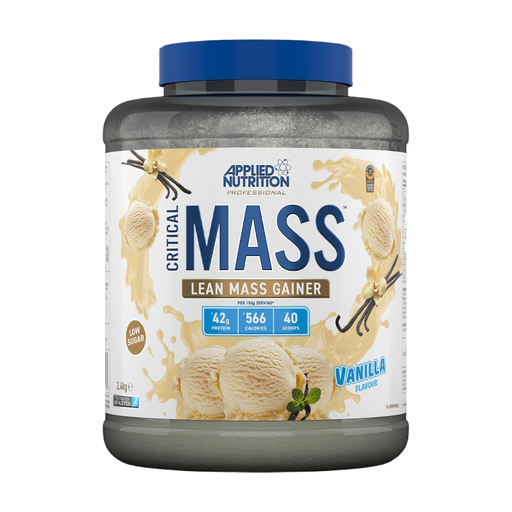
Why This Fits Their Persona: The smaller tub lets new users try a professional formula without committing to a larger pack, while vanilla is flexible for mixing with water, milk or other foods.
Its listed serving is 150g rather than an unusually large 240g serving, making calorie and protein comparisons more straightforward.
42g protein, 74.7g carbohydrate and 566 kcal per listed serving; compact 2.4kg format.
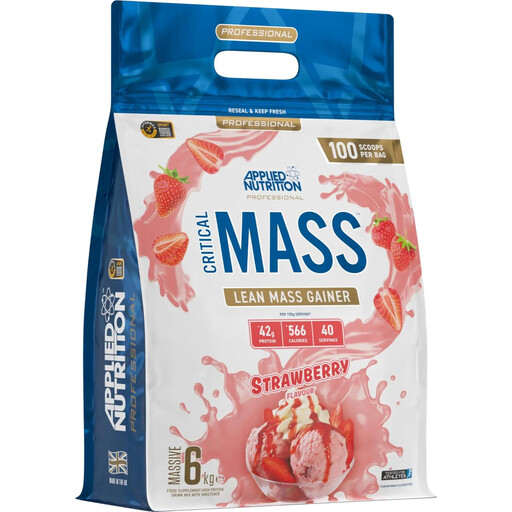
Why This Fits Their Persona: Regular trainers who already know they want a multi-ingredient lean mass gainer may value the larger pack and measured 150g serving.
The nutrition panel clearly lists protein, carbohydrate, creatine and additional formula components per serving rather than relying only on broad performance language.
42g protein, 75g carbohydrate and 3g creatine per 150g serving; includes DigeZyme and LactoSpore.
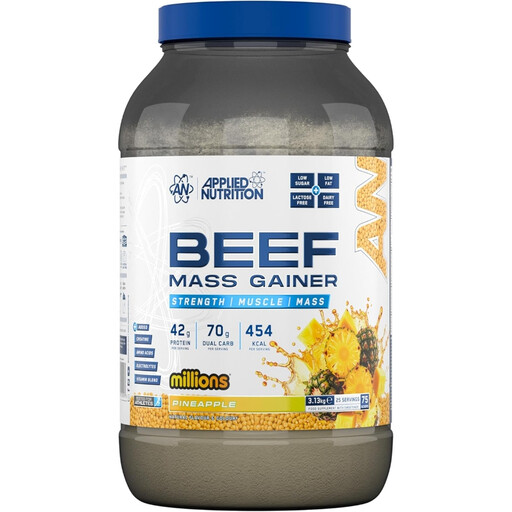
Why This Fits Their Persona: A suitable comparison point for adults seeking a dairy-free, gluten-free and soy-free beef protein mass gainer with carbohydrates for bulking.
The 125g serving size and separate nutrition values show what the 452 kcal claim represents, while dietary exclusions are listed in the product information.
42g protein, 70g carbohydrate and 452 kcal per serving; listed as Halal certified and free from dairy, gluten and soy.
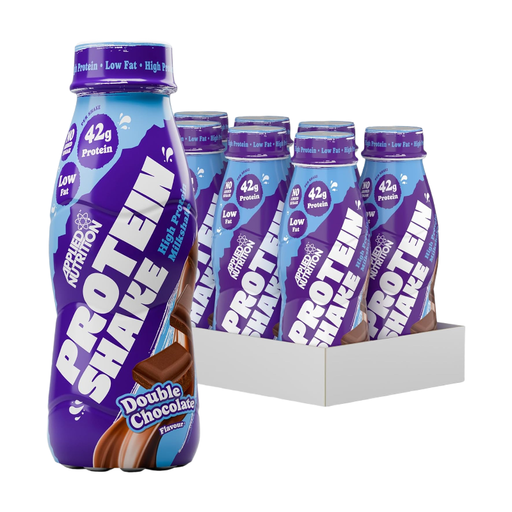
Why This Fits Their Persona: The ready-to-drink protein shake is practical for commuters, shift workers and anyone who does not want to carry a shaker or powder after training.
It does not present itself as a full high-calorie gainer: the bottle’s 240 kcal and 42g protein make its role as a post-workout protein drink clear.
500ml ready-to-drink format; 42g protein and 240 kcal per bottle with no mixing required.
We have compiled a complete, real-time list of products that fully satisfy these strict selection criteria and UK safety regulations.
It may suit healthy adults who struggle to consume enough calories through meals, particularly when training increases energy demands. Choose the serving size according to your overall diet rather than automatically taking the maximum listed amount.
Yes, a powder or ready-to-drink protein shake can be used after training, but the product’s calorie level matters. A 500ml Applied Nutrition shake provides protein with 240 kcal, while a Critical Mass serving supplies considerably more carbohydrate and energy. Select according to whether you need protein convenience or a larger calorie increase.
Keep powder sealed in a cool, dry place away from heat, humidity and direct sunlight. Ready-to-drink products should remain sealed as directed; once opened, refrigerate and consume within the time stated on the label. Always follow the current packaging instructions and recommended dosage.