
24/7 Customer Support

Free returns

Same-day & Next-day Delivery

Quality Guaranteed

Unlock Your Welcome Offers: FREE Delivery | Up to 80% OFF | Free 30-day JoyPlus trial
Download the APP
Choosing an Applied Nutrition pre-workout is not simply a matter of picking the most colourful tub or the strongest-sounding label. UK shoppers need to compare caffeine, serving size, format, dietary suitability and the ingredients supplied per serving.
The wrong choice can mean paying for a large container with fewer usable servings, taking too much caffeine before an evening session or selecting a product that does not suit your dietary requirements. The guide below separates practical specifications from marketing language, then matches several options to distinct training routines.
A 375g tub may look similar to another 375g tub, but serving sizes can vary considerably. Applied Nutrition Pump 3G products use a 15g serving, while several ABE powders use a 12.5g serving. Check the number of servings per container, not just the net weight.
A caffeine pre-workout may contain 200mg or 250mg per serving, before adding coffee, tea, energy drinks or other supplements. This can be unsuitable for people sensitive to caffeine or those training close to bedtime. A stimulant-free pre-workout may be more appropriate for evening sessions, although it will not provide the same caffeine-based stimulation.
Terms such as “pump”, “focus” and “energy” describe intended use, not guaranteed results. Compare the actual quantities of citrulline malate, creatine, beta-alanine and caffeine per serving. Also check whether the product is zero sugar, vegan or Halal certified rather than relying on front-of-pack imagery.
The Applied Nutrition Pump 3G range provides 250mg caffeine per 15g serving. Several ABE powders, gels, drinks and shots provide 200mg per serving. For a ready-to-use pre-workout energy gel, the ABE gel supplies 200mg caffeine in a 60ml sachet, while the ABE White drink supplies 200mg in a 330ml can.
Use the stated serving only and avoid combining products with other caffeine or stimulants. The supplied product information advises adults to follow the label, avoid exceeding the recommended dose and seek medical advice if they have a medical condition, take medication, are pregnant or breastfeeding.
For shoppers looking for a muscle pump supplement, citrulline malate and AAKG are common comparison points. Pump 3G supplies 5g citrulline malate, 3g AAKG, 3g creatine monohydrate and 2g beta-alanine per serving.
The ABE energy powder supplies 4g citrulline malate, 3g creatine monohydrate and 2g beta-alanine per 12.5g serving. Creatine is commonly selected by people undertaking repeated short bursts of high-intensity exercise, while beta-alanine can cause a temporary tingling sensation in some users.
A pre-workout powder offers flexible storage and flavour choice, but requires a shaker and accurate measuring. A pre-workout shot, energy drink or pre-workout energy gel can be easier to use away from home.
For people monitoring sugar intake, many of the listed options are labelled zero sugar. Several ABE powders, gels, drinks and shots are described as vegan-friendly and Halal certified. Always inspect the current packaging and ingredient list, especially if you have allergies: manufacturing facilities may handle milk, soy, eggs, fish, gluten or other allergens.
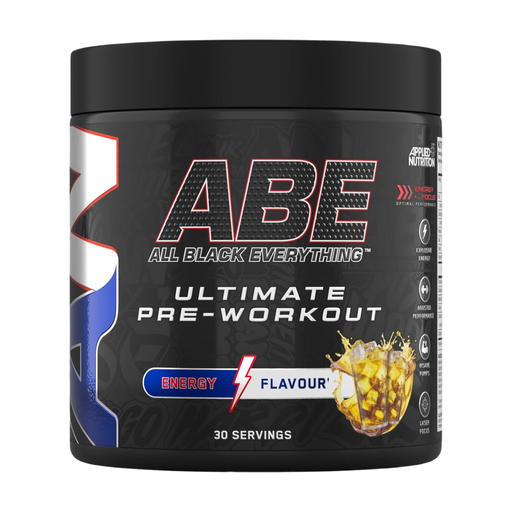
Why This Fits Their Persona: A familiar powder format provides a practical starting point for adults who want to measure their own serving and choose a tub rather than single-use formats.
The label states 200mg caffeine, 4g citrulline malate and 3g creatine per 12.5g serving, making the key quantities easier to compare.
Zero sugar powder; vegan-friendly and Halal certified according to the supplied product information.
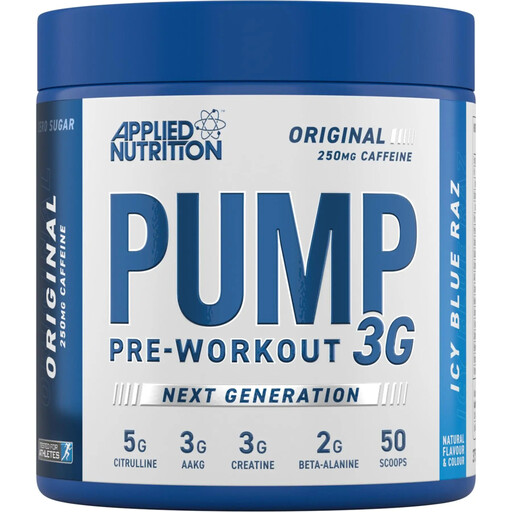
Why This Fits Their Persona: Suitable for adults who want a clearly quantified formula for resistance training and high-intensity sessions, with a stronger stimulant profile.
Its label specifies a 15g serving and 25 servings per container, helping shoppers assess actual usage rather than tub size alone.
5g citrulline malate, 3g creatine and 250mg caffeine per serving; Halal certified and athlete tested according to the product details.
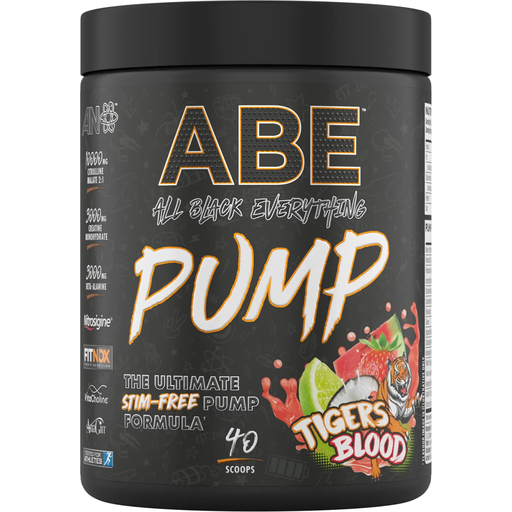
Why This Fits Their Persona: A practical option for evening gym users, caffeine-sensitive adults and people who want a larger powder format for repeated stimulant-free sessions.
It is described as caffeine-free and stimulant-free, so it avoids the common mistake of choosing a caffeinated formula for late training.
500g format; described as vegan-friendly, sugar-free, dairy-free, soy-free and Halal certified.
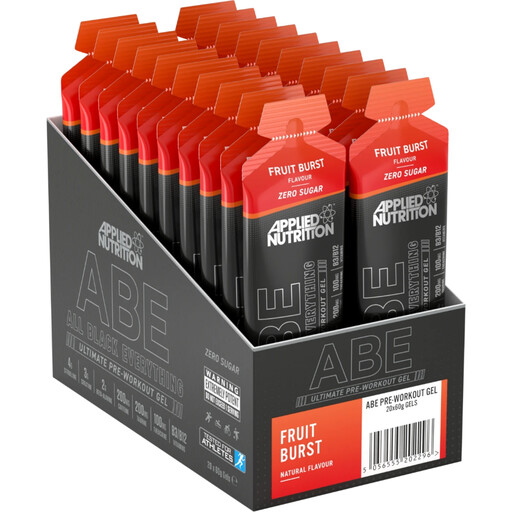
Why This Fits Their Persona: The single-serve gel suits commuters, outdoor athletes and gym users who do not want to carry a shaker or mix powder.
The 60g format states its caffeine and active ingredients per gel, avoiding uncertainty about how much powder to measure.
200mg caffeine, 4g citrulline malate and 3g creatine per gel; zero sugar and no water required.
We have compiled a complete, real-time list of products that fully satisfy these strict selection criteria and UK safety regulations.
Follow the serving instructions on the specific product label. Common directions are to mix one serving with cold water and consume around 15 to 30 minutes before exercise. Do not estimate servings by scoop size alone where the label recommends weighing the powder.
A stimulant-free formula avoids caffeine, making it a practical choice for people who train later or wish to limit stimulants. It still contains active ingredients such as citrulline malate, beta-alanine or creatine, so read the full ingredient list and follow the stated dosage.
This depends on servings per container and how often you train. A 375g powder may contain 25 or 30 servings depending on the serving size, while a 500g tub may use a different serving instruction. Single-serve gels, shots and cans make the number of sessions easier to count, but may offer less flexibility than powder. Always check the product label before purchase and use.