
24/7 全天候客户支持

免费退货

当日/次日达

品质保障

开启新人专享福利: 全场免邮 | 低至 2 折 | 免费试用 30 天 JoyPlus 会员
下载 Joybuy
Buying Applied Nutrition protein powder can seem straightforward until you compare serving sizes, protein percentages, calorie levels and flavour options. A tub may look good value, yet provide fewer usable servings than expected. Likewise, a mass gainer can add more calories than you need, while a low-calorie whey powder may not help if your main challenge is eating enough.
This guide explains the practical checks UK shoppers should make before choosing Applied Nutrition whey protein, Critical Whey protein powder or Critical Mass weight gainer products.
A large bag does not automatically mean lower cost per serving. Whey products may use a serving of approximately 30–33g, whereas mass gainers commonly use 120–240g per serving. Always compare:
For example, an 825g tub of whey may provide around 25–28 servings, depending on the stated scoop size. A 6kg mass gainer may sound substantial, but the larger serving requirement can reduce the number of shakes it produces.
A protein powder for muscle gain and a mass gainer have different purposes. Whey is generally used to increase protein intake without adding a large number of calories. A mass gainer combines protein with substantial carbohydrates and calories for people who struggle to maintain a calorie surplus.
Taking a high-calorie shake when your diet already meets your energy needs may make it harder to control overall calorie intake. Conversely, choosing whey alone may not address the needs of hard gainers who consistently fall short of their daily energy target.
Strawberry whey protein, chocolate whey protein, banana whey protein and vanilla protein powder can have slightly different nutrition values and ingredients. Flavours may include different colourings, sweeteners or thickeners. Check the label for the specific flavour rather than relying on a general product description.
Critical Whey protein products commonly combine whey protein concentrate and whey protein isolate. Some versions also include hydrolysed whey or milk protein concentrate. The reference products provide approximately 22–24g of protein per serving, depending on flavour and formula.
Concentrate can retain more of the natural components of milk, while isolate is more highly filtered. Neither should be selected solely because of marketing language. Compare the actual protein quantity, carbohydrate, sugar and fat figures on the UK product label.
If you are sensitive to dairy or lactose, remember that whey products contain milk-derived ingredients. Check allergen information carefully, even where the product has a relatively low fat or carbohydrate content.
A standard whey shake is typically more suitable for a controlled-calorie diet or as a convenient post-workout protein option. Applied Nutrition whey products listed here provide roughly 109–122 kcal per serving, although values vary by flavour and serving size.
A creatine mass gainer or other weight-gain formula is materially different. Critical Mass Professional provides, per 150g serving, approximately:
The stated preparation uses around 500ml of water or skimmed milk. Start with the label’s recommended serving and assess how it fits into your daily diet rather than automatically taking multiple servings.
Scoops are estimates. A kitchen scale can help you measure a 30–33g whey portion or a 150g mass-gainer serving more accurately. This matters when calculating calories, protein and creatine intake.
Review the allergen statement for milk, whey, soya, oats, wheat and egg, depending on the product. Food supplements should not replace a varied and balanced diet. Products in this guide are intended for adults aged 18 and over; anyone who is pregnant, breastfeeding, taking medication or managing a medical condition should seek appropriate professional advice before use.
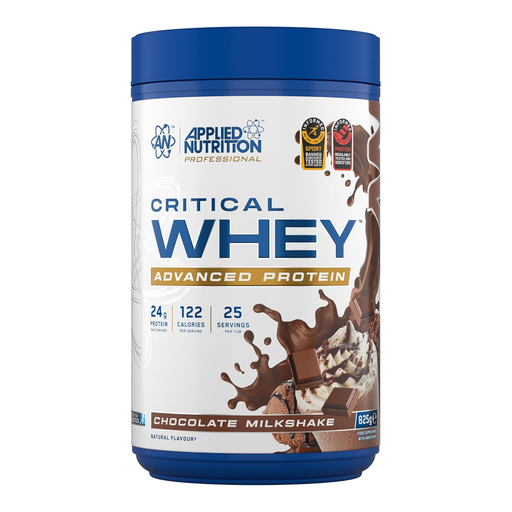
Why This Fits Their Persona: A practical 825g option for UK gym-goers who want a straightforward high-protein shake powder without committing to a large bulk container.
The label gives serving-level figures, including approximately 23.6g protein and 122 kcal per 33g serving, making portion and calorie planning easier.
Whey concentrate, isolate and hydrolysate blend; mixes with water, milk or another preferred beverage.
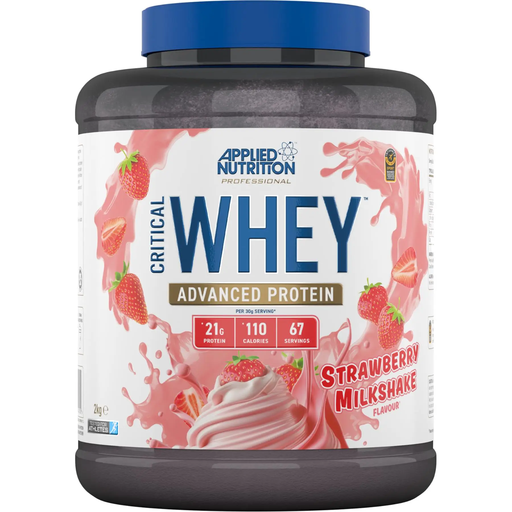
Why This Fits Their Persona: Suitable for regular trainers who want a larger tub and a multi-source whey formula for repeated use after sessions or between meals.
It states the serving size and macros clearly: 23.8g protein and 122 kcal per 33g serving, rather than relying only on broad performance language.
Contains whey concentrate, isolate, hydrolysed whey and milk protein concentrate; 2kg format supports regular use.
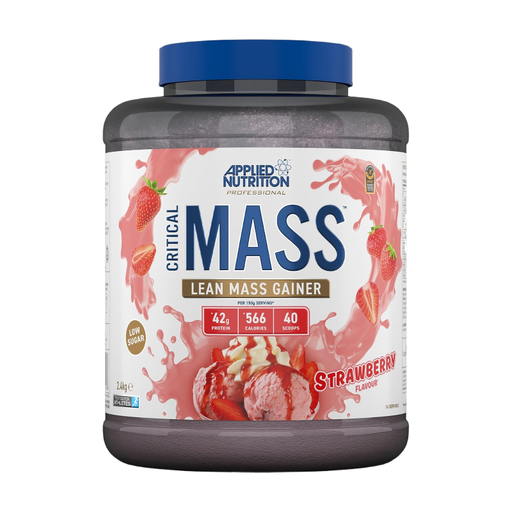
Why This Fits Their Persona: Designed for adults who find it difficult to consume enough calories through ordinary meals and need a structured mass-gain shake.
Its 150g serving is listed with 566 kcal, 42g protein and 74.7g carbohydrate, so the calorie commitment is visible before purchase.
Includes 3g creatine monohydrate per listed serving; contains added digestive enzyme and probiotic ingredients.
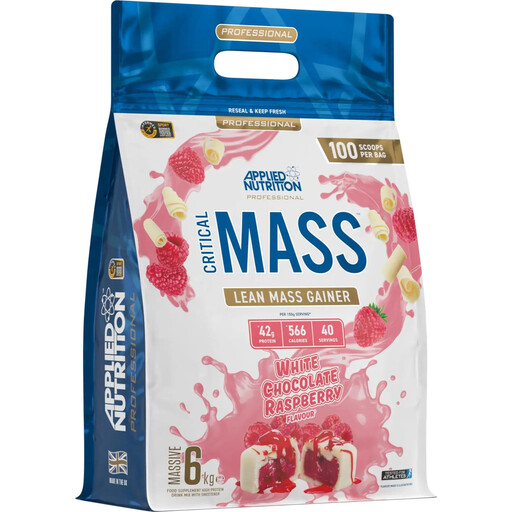
Why This Fits Their Persona: A bulk format for committed training cycles, frequent shakes and households that already know their calorie and serving requirements.
The 150g serving information shows the actual calorie and macro load, helping heavy users calculate how long a 6kg bag may last.
Provides 42g protein and 566 kcal per stated serving; includes creatine, carbohydrate sources and protein from milk-derived ingredients.
We have compiled a complete, real-time list of products that fully satisfy these strict selection criteria and UK safety regulations.
A whey shake can be mixed with around 200–300ml of cold water or milk, depending on the product instructions and preferred texture. A mass gainer generally needs more liquid because of its larger serving size and carbohydrate content.
Use the powder to fill a measured nutritional gap, not as a replacement for ordinary meals by default. For muscle gain, total daily protein, sufficient energy, resistance training, sleep and consistency all matter. Timing is convenient rather than compulsory: a shake can be used after training, between meals or when preparing food is difficult.
It can be a convenient option for adults aged 18 and over who want to increase dietary protein. Beginners should start by checking their existing food intake, use the stated serving size and select a whey product rather than a mass gainer unless extra calories are genuinely required.
This depends on serving size and frequency. At roughly 30–33g per serving, an 825g tub provides approximately 25–27 servings. Taking one shake daily would therefore make it a several-week supply, while using two servings daily would shorten that period.
Choose Critical Whey when your priority is protein with a relatively modest calorie contribution. Choose Critical Mass weight gainer when you need a substantial calorie and carbohydrate increase and can fit the larger serving into your diet. Always compare the label with your personal nutritional requirements before ordering.