
24/7 全天候客户支持

免费退货

当日/次日达

品质保障

开启新人专享福利: 全场免邮 | 低至 2 折 | 免费试用 30 天 JoyPlus 会员
下载 Joybuy
Choosing an Applied Nutrition protein powder is not simply a matter of picking an appealing tub and favourite flavour. The range includes traditional whey isolate, clear whey drinks and combination products, with meaningful differences in serving size, protein percentage, calories and ingredients.
For UK gym-goers, bodybuilders and people managing daily macros, the right choice should fit your diet and drinking preferences rather than relying on bold front-of-pack claims. This guide explains the main buying traps, the specifications worth checking and which products may suit different routines.
A powder may advertise a high percentage of protein, but your practical comparison should begin with the protein supplied per serving. The Applied Nutrition ISO-XP products listed here generally provide around 22.4–22.5g of protein in a 25g serving, while the clear whey products provide 21.27g per 25g serving.
Also check whether the serving size is consistent. A product providing 25g of protein may use a 30g scoop, which affects calorie and cost comparisons.
Clear whey protein powder has a fruit-drink texture rather than a milky shake, but it is still made from milk. The Applied Nutrition clear whey products contain hydrolysed whey protein (milk), so they are not suitable for people with a milk allergy. A clear texture also does not automatically mean zero calories or zero carbohydrates.
Flavour preferences are personal, and sweeteners or acids can affect taste and mixability. Product descriptions may also use terms such as “fast absorption” or “clean formula”. These should be assessed alongside the ingredient list and nutrition panel, not treated as medical or guaranteed performance outcomes.
For athletes, check the current packaging for certification and batch information. Formulations, certification details and serving instructions can change, so the label supplied with the product remains the relevant reference.
Whey protein isolate is filtered to contain a high proportion of protein with relatively low fat and carbohydrate levels. The Applied Nutrition ISO-XP range supplies 90g protein per 100g for the listed banana, chocolate and vanilla formats. The Chocolate Bueno and Chocolate Dessert variants list approximately 89.7–90g per 100g.
Hydrolysed whey protein is whey that has been processed into smaller protein fragments. In the Applied Nutrition clear whey range, it forms 95% of the listed ingredients, creating a powder designed to mix into a light, fruit-style drink.
For calorie-controlled diets, check the values per prepared serving rather than only per 100g:
The clear whey products list 1.01g carbohydrate, 0.24g sugar and 0.12g fat per serving. The ISO-XP variants list less than 1g each of carbohydrate, sugar and fat per 25g serving, although the precise figures differ slightly by flavour.
A 1kg bag of ISO-XP provides approximately 40 servings when using a 25g scoop. An 875g clear whey tub provides approximately 35 servings at the stated serving size, while a 1.8kg pack provides around 72 servings.
For preparation, ISO-XP is generally mixed with 200ml of cold water or skimmed milk. Clear whey products use approximately 200–250ml of cold water, while the cranberry and pomegranate listing recommends 300–400ml. Shaking and allowing foam to settle may improve the drinking experience.
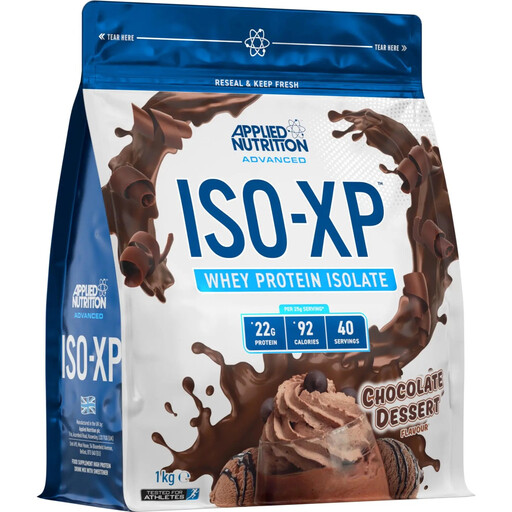
Why This Fits Their Persona: A conventional chocolate shake format suits someone starting a protein routine and wanting a familiar flavour with a manageable 1kg pack size.
The nutrition panel gives a clear 25g serving reference: 22.5g protein, 92 calories and 0.1g carbohydrate.
Whey protein isolate is the listed main ingredient; sunflower lecithin is used as an emulsifier.
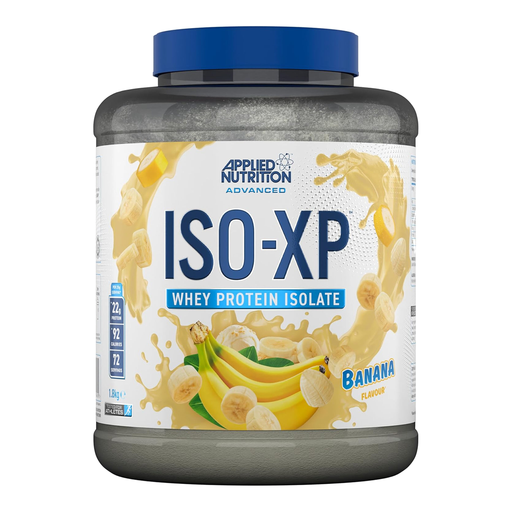
Why This Fits Their Persona: The larger pack is practical for regular gym users who already know they prefer a traditional whey isolate shake.
Its listed serving information makes the low-fat and low-carbohydrate profile easy to check rather than relying on general “lean” language.
Provides 22.5g protein and 89 calories per 25g serving, with approximately 72 servings in the pack.
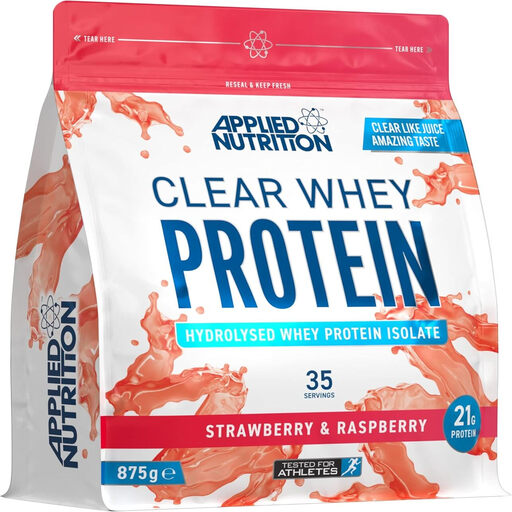
Why This Fits Their Persona: A clear whey drink is suited to people who dislike thick shakes and want a fruit-style option after training or during a busy working day.
It identifies the protein source, serving size and allergen clearly, helping shoppers avoid mistaking a clear drink for a dairy-free supplement.
Supplies 21.27g protein and 90 calories per 25g serving, with 0.12g fat and a fruit-flavour format.
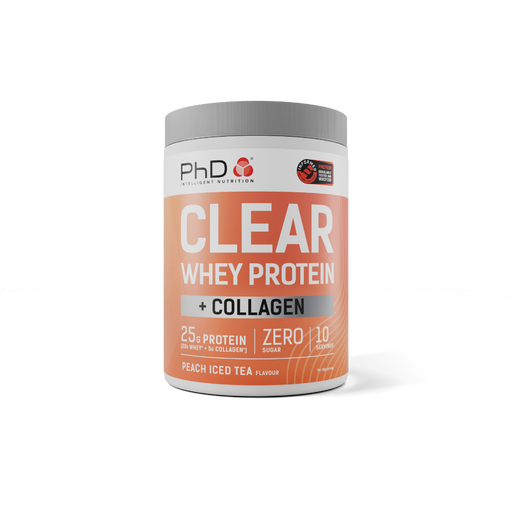
Why This Fits Their Persona: This is for shoppers specifically seeking a clear whey and collagen combination rather than a single-source protein powder.
The label separates its 25g protein from 5g bovine collagen hydrolysate, so buyers can distinguish the ingredients rather than assuming all protein is whey isolate.
A 30g serving provides 25g protein, 105 calories, no listed sugar and 100mg vitamin C.
We have compiled a complete, real-time list of products that fully satisfy these strict selection criteria and UK safety regulations.
Before ordering, compare:
Protein powder can help fill a dietary gap, but it should not replace a varied, balanced diet. Store it in a cool, dry place, keep the container sealed and follow the supplied dosage. Anyone who is pregnant, breastfeeding, under 18, taking medication or managing a medical condition should seek appropriate medical advice before use.
It can be used as a convenient post-workout protein serving, provided it fits your overall dietary intake. The ISO-XP products listed here provide approximately 22.5g protein per 25g scoop. Timing should be considered alongside total daily protein, meals and personal training goals.
This depends on servings per day. A 1kg ISO-XP pack supplies roughly 40 25g servings, while an 875g clear whey pack supplies roughly 35. Using one serving daily gives a longer supply than taking two or three servings, so calculate cost and duration before buying.
The listed Applied Nutrition clear whey products provide 90 calories per 25g serving. ISO-XP options range from 89 to 93 calories per 25g serving. The difference is small; the more important distinction is texture, flavour and whether you prefer a fruit-style drink or a conventional shake.