
24/7 全天候客户支持

免费退货

当日/次日达

品质保障

开启新人专享福利: 全场免邮 | 低至 2 折 | 免费试用 30 天 JoyPlus 会员
下载 Joybuy
Choosing an Applied Nutrition protein powder can seem straightforward until you compare whey isolate, Diet Whey, plant protein, beef protein and recovery blends. Packaging often highlights flavour, added ingredients or athlete-focused language, while the details that affect value and suitability may be harder to find.
For UK shoppers, three common buying traps are worth avoiding:
Whey protein powder is made from milk and is widely used for post-workout protein. Whey protein isolate generally contains a higher proportion of protein with very small quantities of carbohydrate and fat. For example, Applied Nutrition ISO-XP products provide approximately 22.5g of protein per 25g serving, with around 0.1g of carbohydrate in the listed chocolate and vanilla versions.
However, whey isolate is not automatically the right choice for everyone. It still contains milk and may not suit people avoiding dairy. Vegetarians may use whey products, while vegans should choose a vegan protein powder such as a soya, pea and brown rice blend.
Those avoiding whey can consider beef protein powder. Applied Nutrition Beef-XP listings provide around 27g of protein per 30g serving, with very low fat and carbohydrate. Always check the full ingredient panel, particularly if you have allergies or follow a specific religious or dietary standard.
Look at the nutrition table per serving, not only the percentage shown on the front of the packaging. This gives a more realistic comparison between products.
This difference matters. A low-carb protein powder may suit someone tracking carbohydrates, whereas a recovery formula containing carbohydrates may be more appropriate after a longer or more demanding training session. Neither profile is universally suitable; the correct option depends on your overall daily nutrition.
Diet Whey products include ingredients such as CLA, L-carnitine and green tea extract. These are product features, not a guarantee of fat loss. The formula should be judged primarily by its protein content, calories, taste, tolerability and compatibility with your routine.
Some listings also refer to Informed Sport or “Tested for Athletes” status. This may be relevant to athletes who need to consider supplement screening, but it does not mean the product will improve performance or recovery for every user. Check the current packaging and certification information before purchase, as formulations and labels can change.
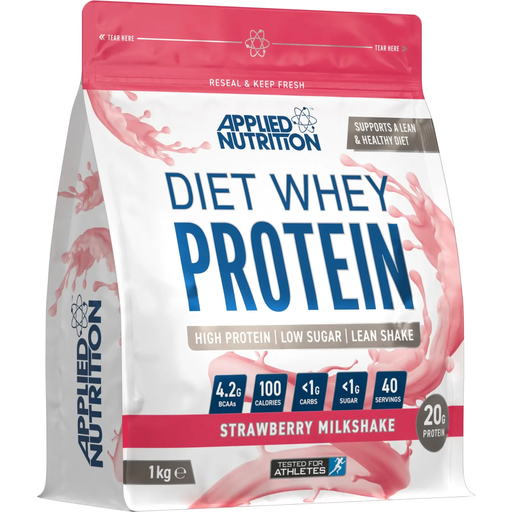
Why This Fits Their Persona: The 1kg format is a practical starting point for UK gym-goers who want to try a low-calorie whey blend before committing to a larger tub.
The nutrition table clearly lists 20g of protein, 100 kcal, 0.98g of carbohydrate and 0.95g of sugar per 25g serving.
Whey concentrate and isolate blend; strawberry flavour; suitable for vegetarians according to the listing.
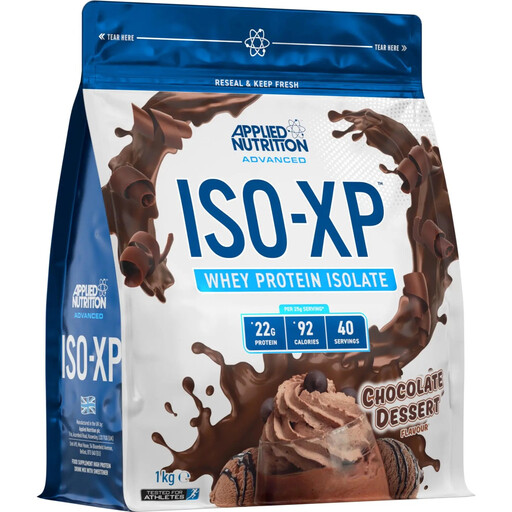
Why This Fits Their Persona: Suitable for macro-focused lifters who prioritise a high protein-to-calorie ratio in a post-workout shake.
The listed serving provides 22.5g of protein, 0.1g of carbohydrate and 0.4g of fat, making the macronutrient profile easy to compare.
Whey protein isolate base; sunflower lecithin; chocolate flavour; 1kg pack.
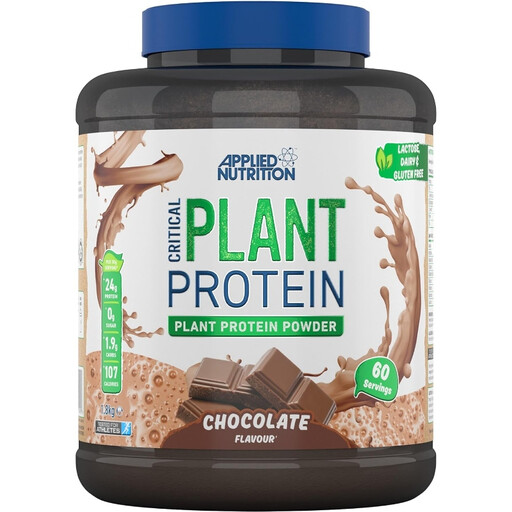
Why This Fits Their Persona: A large-format option for vegans, vegetarians and active households that use plant protein powder regularly.
The formula combines soya, pea and brown rice protein, while the label identifies soya as an allergen.
24.6g of protein per 30g serving; 1.8kg pack; chocolate flavour; plant-based blend.
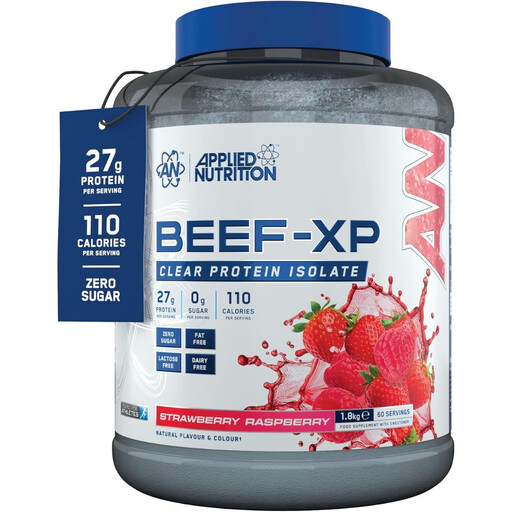
Why This Fits Their Persona: A dairy-free alternative for active adults who want to avoid whey protein while maintaining a convenient protein routine.
It uses beef protein isolate rather than whey, and the listed serving and daily limit are clearly stated.
27g of protein per 30g serving; approximately 0.8g carbohydrate; 1.8kg pack.
Mix the powder according to the product label rather than assuming every scoop is the same. Applied Nutrition products listed here use serving sizes from 25g to 50g, with liquid quantities commonly between 150ml and 400ml.
Store the container in a cool, dry place, away from direct sunlight and moisture. Close the tub securely after each use. Protein powder does not have a fixed lifespan once opened: its usable period depends on the best-before date, storage conditions and whether moisture enters the container. If the powder changes noticeably in smell, texture or appearance, check the label and contact the seller or manufacturer before using it.
We have compiled a complete, real-time list of products that fully satisfy these strict selection criteria and UK safety regulations.
It can be used as a convenient way to increase daily protein intake when used according to the label. It should complement, rather than replace, a varied and balanced diet. Check the recommended maximum servings and consider protein from ordinary meals.
Whey isolate provides a concentrated, low-carbohydrate option, while Diet Whey offers 20g of protein per serving with added ingredients and a low-calorie profile. Plant Recovery Protein includes protein, carbohydrates and electrolytes, which may suit people wanting a broader post-workout formula.
Divide the pack weight by the serving size for an estimate. A 1kg tub used at 25g per serving provides roughly 40 servings, while a 1.8kg tub used at 30g provides approximately 60 servings. Actual usage depends on the product label and how many servings you take.