
24/7 全天候客户支持

免费退货

当日/次日达

品质保障

开启新人专享福利: 全场免邮 | 低至 2 折 | 免费试用 30 天 JoyPlus 会员
下载 Joybuy
Choosing an Applied Nutrition protein powder is not simply a matter of picking a flavour and the largest tub. Different formulas are designed for different dietary goals, from convenient post-workout protein to calorie-dense weight gain support. The wrong choice can leave you paying for ingredients you do not need, struggling with an unsuitable texture or overshooting your daily calorie target.
This guide from the Joybuy Product Recommendation Officer focuses on the details that are most useful when comparing Applied Nutrition whey protein, clear whey protein, diet whey and mass gainer products.
A powder may advertise a high protein percentage per 100g, but the practical figure is the amount in one serving. For example, a standard serving may provide around 22–24g of protein, while a diet formula provides 20g per 25g serving. Always compare:
This prevents misleading comparisons between a conventional whey protein powder and a larger serving of mass gainer.
Whey concentrate, isolate and hydrolysed whey are all milk-derived proteins, but their formulations differ. A blend can offer a balance of protein sources, while clear whey often uses hydrolysed whey and has a lighter, fruit-style drink profile. Neither format automatically suits every buyer.
If you have a milk allergy, lactose intolerance, a medical condition or take medication, read the label carefully and seek appropriate professional advice before use.
A mass gainer is not simply a larger tub of whey. It normally contains substantial carbohydrate and calories alongside protein. Applied Nutrition Critical Mass Professional products provide, depending on the listed version, approximately 42g protein and 75g carbohydrate per 150g serving. That may be useful for adults with high energy needs, but excessive servings can make calorie tracking difficult.
For a conventional Applied Nutrition whey protein product, look for the protein blend listed on the packaging. Critical Whey products may combine whey concentrate, whey isolate, hydrolysed whey and milk protein concentrate. This provides a convenient way to increase dietary protein after training or between meals.
A clear whey protein has a thinner, juice-style texture rather than a creamy shake. The listed Applied Nutrition Clear Whey products use 95% hydrolysed whey protein and provide approximately 21.27g protein per 25g serving. Applied Nutrition BEEF-XP uses hydrolysed beef protein isolate, providing 27.3g protein per 30g serving, with less than 0.1g sugar per serving according to the supplied product information.
Use the nutrition panel rather than front-of-pack wording. A typical Critical Whey serving provides around 24g protein, with approximately 2–4g carbohydrate depending on flavour and product version. Diet Whey provides 20g protein per 25g serving, with around 101 calories, 1.02g carbohydrate and 0.9g sugar.
For weight management, a low-sugar protein powder may be easier to fit into a calorie-controlled plan. For healthy weight gain, a product with considerably more carbohydrate and energy may be more appropriate.
Many products contain milk, and several also list soya lecithin. Mass gainers may additionally contain oats, wheat and soya. Check the complete label, including “may contain” statements, especially if you have allergies or follow a specific diet.
Serving instructions also vary. Some products recommend 25g, 30g, 33g or 150g portions, and scoops are approximate. A kitchen scale can help you measure accurately. Follow the stated daily limit and do not use food supplements as a substitute for a varied, balanced diet.
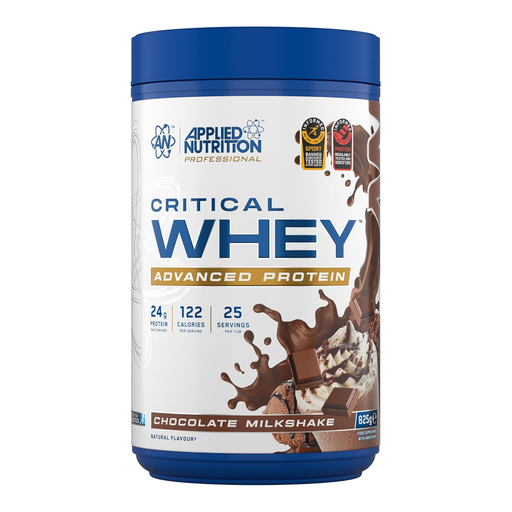
Why This Fits Their Persona: The 825g tub offers a straightforward entry point for adults who want a conventional whey protein powder without committing to a larger container. Each 33g serving lists 23.6g protein and 122 calories.
The nutrition panel clearly states serving size and protein content, helping new users avoid judging value from tub size alone.
Whey concentrate, isolate and hydrolysate blend; suitable for shakes or recipes.
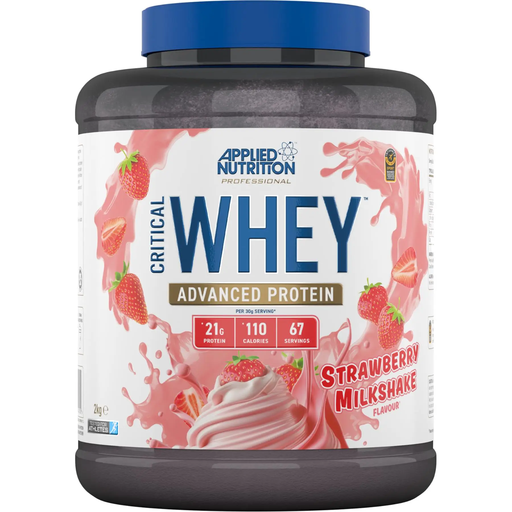
Why This Fits Their Persona: Regular gym-goers and athletes who use protein frequently may prefer the 2kg format and multi-source blend, with 23.8g protein per 33g serving.
It provides a full nutrition panel rather than relying only on claims about protein quality or absorption.
Contains whey concentrate, isolate, hydrolysed whey and milk protein concentrate; 2kg pack for regular use.
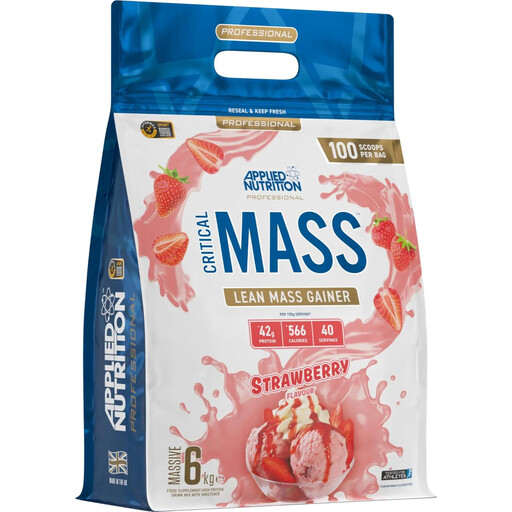
Why This Fits Their Persona: Adults with high calorie and protein requirements, including bodybuilders and hard gainers, may value the large pack and calorie-dense serving format.
Its serving size and carbohydrate content are clearly stated, so it is less likely to be mistaken for an ordinary whey powder.
A 150g serving lists 42g protein, 75g carbohydrate and 3g creatine monohydrate; 6kg format for frequent users.
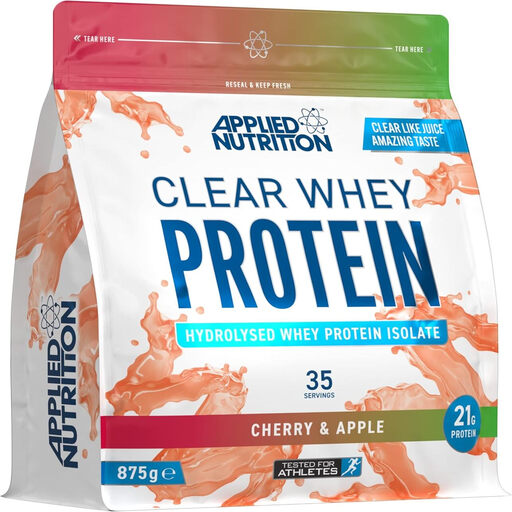
Why This Fits Their Persona: People who dislike thick, creamy shakes may prefer a fruit-flavoured clear whey drink after exercise or during the day.
The product is categorised by its clear format and 25g serving, rather than being presented as a conventional creamy shake.
95% hydrolysed whey protein; approximately 21.27g protein and 90 calories per serving.
We have compiled a complete, real-time list of products that fully satisfy these strict selection criteria and UK safety regulations.
A whey protein shake can be used after exercise or between meals, depending on your daily protein intake and routine. There is no need to treat the powder as a replacement for balanced meals. Follow the serving guidance on the product label.
Yes. Clear whey is designed to mix into a lighter, fruit-style drink, while conventional whey usually produces a milkshake-style texture. Both can provide milk-derived protein, so check the allergen information and nutrition panel before buying.
A mass gainer can help adults increase calorie and carbohydrate intake when ordinary meals do not provide enough energy. However, it is more calorie-dense than standard whey protein. Compare the serving size, sugar, carbohydrate and total calories with your personal nutrition plan before purchase.