
24/7 全天候客户支持

免费退货

当日/次日达

品质保障

开启新人专享福利: 全场免邮 | 低至 2 折 | 免费试用 30 天 JoyPlus 会员
下载 Joybuy
Buying an Applied Nutrition protein powder can look straightforward until you compare serving sizes, whey types, flavours and tub weights. Product pages may emphasise phrases such as “fast-absorbing”, “lean” or “premium”, but these descriptions do not always tell you whether a powder suits your daily diet, budget or training routine.
For UK shoppers, three common buying traps are worth avoiding:
The options below focus on practical specifications rather than advertising language.
Applied Nutrition products in this range provide different amounts per portion. For example, Clear Whey products provide approximately 21.27g of protein per 25g serving, while several Critical Whey products provide around 22–24g per serving, depending on the flavour and stated serving size.
Always compare:
A 2kg tub may offer a lower cost per serving for regular users, but a smaller 825g or 875g tub can be more practical if you are trying a flavour for the first time.
The main formulas in this collection include:
There is no single format that suits everyone. A creamy shake can work well with oats or milk, while Clear Whey protein may be more appealing after training or during warmer weather.
If you are comparing a low-sugar protein powder, read the nutrition panel rather than relying on front-of-pack wording. Applied Nutrition Clear Whey listed here provides 90 calories, 1.01g of carbohydrate and 0.24g of sugar per 25g serving. Applied Nutrition Diet Whey provides 20g of protein and approximately 100–101 calories per 25g serving, with low carbohydrate values.
Critical Whey nutrition varies by flavour. One 33g Salted Caramel listing provides 24g protein, 3.8g carbohydrate and 2.3g sugar per serving, while other flavours have different declared values.
All listed products contain milk. Several Critical Whey flavours also contain soya lecithin or may be manufactured where eggs, gluten or nuts are handled. Check the packaging supplied with your order if you have an allergy, intolerance or specific dietary requirement.
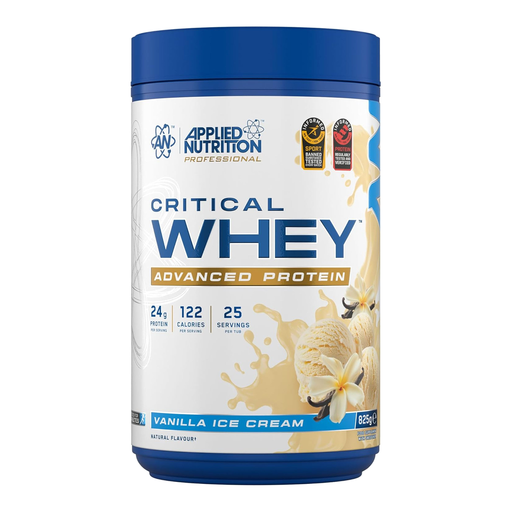
Why This Fits Their Persona: The 825g format allows new users to try a conventional vanilla whey blend without committing to a larger 2kg tub. It can be mixed with water or milk and used after exercise or between meals.
The label information identifies the whey concentrate and isolate blend, rather than relying only on vague performance wording. Exact nutrition can vary by flavour, so check the tub before use.
Conventional shake texture; approximately 22–24g protein per serving according to the product information.
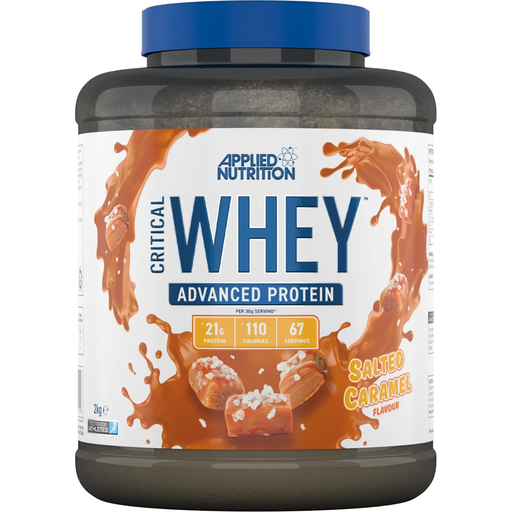
Why This Fits Their Persona: A 2kg pack is suited to regular gym-goers who already know they will use whey protein consistently and want a larger household supply.
The serving size and declared 24g protein amount make comparison more transparent than judging the tub size alone. The formula lists concentrate, isolate, hydrolysate and milk protein concentrate.
24g protein per 33g serving; suitable for vegetarians according to the supplied product details; salted caramel flavour.
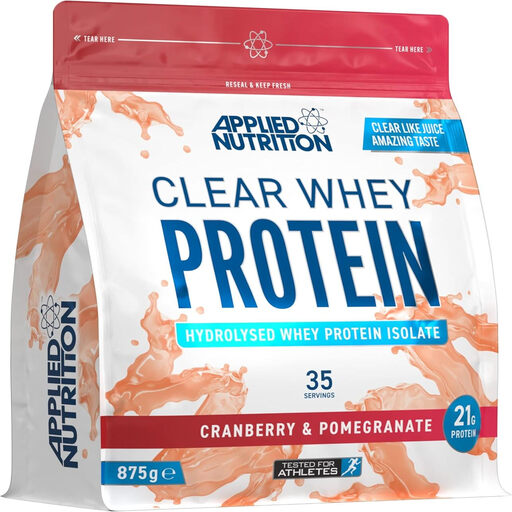
Why This Fits Their Persona: This option suits people who dislike thick, creamy shakes and prefer a fruit-juice-style drink after training or during the day.
It clearly states the 25g serving size, 21.27g protein, 90 calories and low sugar content. You can assess the formula without assuming that “clear” means dairy-free: it contains milk.
Hydrolysed whey protein isolate; approximately 90 calories per serving; cranberry and pomegranate flavour.
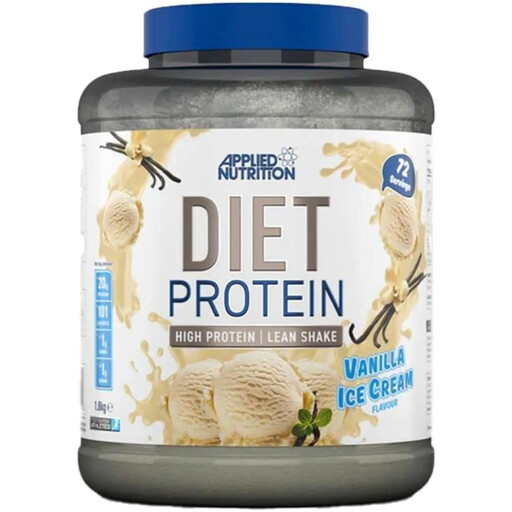
Why This Fits Their Persona: The 1.8kg format and 25g serving make this suitable for adults who regularly track protein, carbohydrate and calorie intake during a structured diet.
Its nutrition panel lists 20g protein, 100 calories, 0.98g carbohydrate and 0.95g sugar per serving. The added ingredients should still be checked if you take medicines or other supplements.
20g protein per 25g serving; whey concentrate and isolate blend; vanilla cream flavour; large 1.8kg pack.
Mix the powder according to the product label. Clear Whey generally requires more water, often around 200–400ml, while conventional Critical Whey may be mixed with approximately 250–500ml depending on the product and preferred texture.
Store the tub in a cool, dry place away from moisture and direct sunlight. Keep the lid tightly closed to reduce clumping. Protein powder is a food supplement, not a replacement for a varied diet. Adults with medical conditions, those taking medication and anyone who is pregnant or breastfeeding should seek suitable professional advice before use.
We have compiled a complete, real-time list of products that fully satisfy these strict selection criteria and UK safety regulations.
Yes. Clear Whey is usually mixed with water to create a lighter, fruit-style drink, while standard whey protein powder produces a creamier shake. Both are milk-derived, so Clear Whey is not suitable for people avoiding dairy unless the label specifically states otherwise.
You can use it after exercise or between meals, depending on your overall dietary intake. The important practical factor is whether the serving helps you meet your daily protein target. Follow the recommended serving instructions and avoid exceeding the stated intake.
This depends on tub size and usage. An 825g tub used at a 30–33g serving may provide roughly 25 servings, while a 1.8kg or 2kg tub can last considerably longer. Check the stated serving size and divide the net weight by that figure before purchasing.