
24/7 全天候客户支持

免费退货

当日/次日达

品质保障

开启新人专享福利: 全场免邮 | 低至 2 折 | 免费试用 30 天 JoyPlus 会员
下载 Joybuy
Applied Nutrition protein powder is available in several formats, from traditional whey blends to clear whey, plant protein and diet-focused formulas. That variety is useful, but it can also make shopping confusing. A colourful flavour name or a long ingredient list does not automatically mean a product suits your diet, training routine or budget.
Before buying, focus on the information that affects everyday use: the protein source, nutrition per serving, allergens, tub size and preparation method.
Terms such as “advanced”, “professional” or “fast-absorbing” can sound persuasive, but they do not replace checking the nutrition panel. Compare the protein per serving, calories, sugars and serving size. Some products provide around 22–24g of protein per serving, while others use a smaller or larger scoop, making direct comparisons less straightforward.
Traditional Applied Nutrition whey protein contains milk-derived ingredients and may also contain soya or traces of other allergens. It is not suitable for people avoiding dairy simply because it is low in fat or sugar.
For a vegan protein powder, check that the formula uses plant sources and that the label meets your requirements. For a dairy-free protein powder, beef protein isolate may be an alternative, but it is still important to check manufacturing warnings and flavour-specific ingredients.
A 1.8kg or 2kg tub can offer more servings, but only if you enjoy the flavour and can comfortably digest the formula. Clear whey protein has a lighter, fruit-drink style, while conventional whey produces a milkshake-like shake. If you are unsure, consider your usual drinking habits before committing to a bulk size.
Whey protein concentrate and isolate are common in Critical Whey protein. The supplied product information lists approximately 22–24g of protein per serving, with around 1–3g of carbohydrate and 1–2g of sugar, depending on flavour. This makes it practical as a post-workout protein or a high-protein shake between meals.
Some blends also include hydrolysed whey or milk protein concentrate. These are still dairy-based products, so they should not be confused with plant or dairy-free options. If you are looking for protein powder for muscle growth, remember that powder supports daily protein intake; training, total diet and recovery remain important factors.
Check the serving weight rather than comparing tubs by price alone. A product with 20g of protein in a 25g serving has a different protein concentration from one providing 24g in a 33g serving.
For lower-calorie diets, look at sugar, fat and calorie content. Applied Nutrition Diet Whey lists 20g of protein and approximately 100 kcal per 25g serving, alongside added ingredients such as acetyl-L-carnitine, CLA powder and green tea extract. These additions do not make it a substitute for a balanced diet, but the format may suit people tracking macros.
A clear whey product supplied in the range lists approximately 21.27g of protein and 90 kcal per 25g serving, with 0.24g of sugar. The exact values can vary by product and flavour, so read the current label before purchase.
Whey and casein products contain milk. Several whey products also list soya lecithin or possible traces of egg, gluten or nuts. The BEEF-XP clear beef protein isolate is described as dairy-free and lactose-free, with 27.3g of protein and less than 0.1g of sugar per 30g serving; however, it is manufactured in a facility handling common allergens.
For plant-based diets, Applied Nutrition Critical Plant Protein combines soya, pea and brown rice protein. It provides 25.3g of protein per 30g serving and contains soya. Do not rely on a product title alone: always check the ingredients and allergen statement on the packaging.
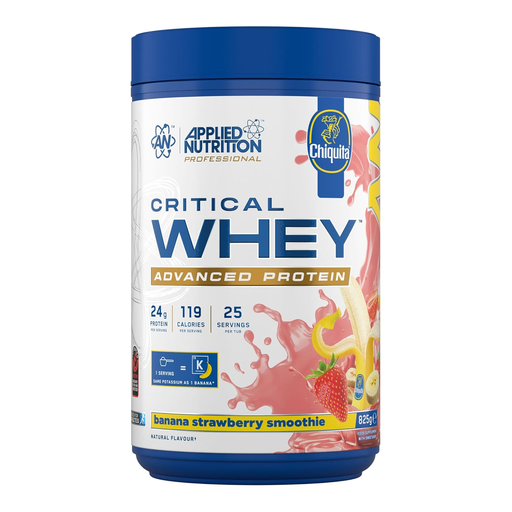
Why This Fits Their Persona: The 825g format offers a manageable starting point for gym beginners who want a conventional whey shake without immediately buying a bulk tub.
The listed serving provides 24g of protein and the product information clearly identifies milk and soya allergens, helping shoppers check suitability before opening the tub.
Whey concentrate and isolate blend; suitable for shakes or recipes; approximately 24g protein per serving.
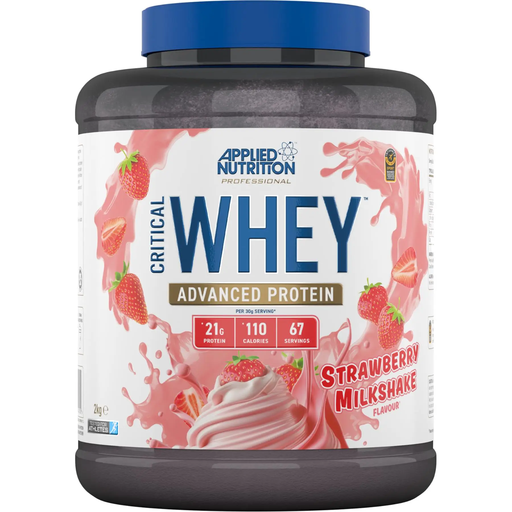
Why This Fits Their Persona: Regular lifters who use protein consistently may prefer the larger 2kg format and a multi-source dairy protein blend.
It states a 33g serving size and approximately 23.8g protein, making the nutrition comparison more transparent than judging the tub size alone.
Contains whey isolate, concentrate, hydrolysed whey and milk protein concentrate; 23.8g protein per stated serving.
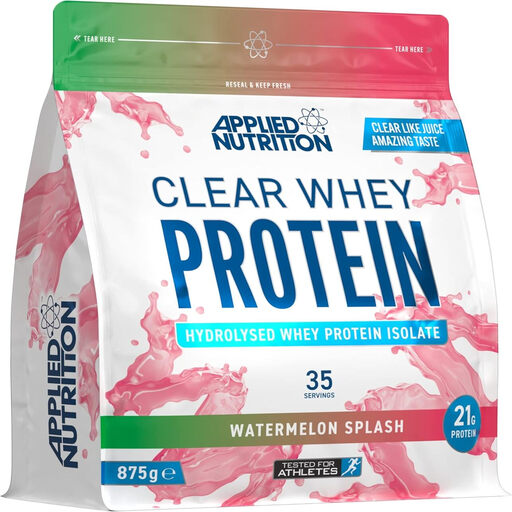
Why This Fits Their Persona: This suits people who dislike creamy shakes and want a fruit-flavoured drink after a run, gym session or cycling commute.
The label gives serving-specific figures instead of relying only on “clear” or “light” wording: 21.27g protein and 90 kcal per 25g serving.
95% hydrolysed whey protein listed; low fat and low sugar profile; fruit-drink style preparation.
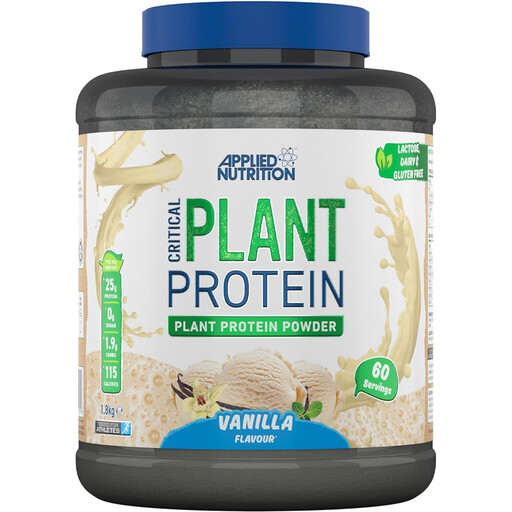
Why This Fits Their Persona: A practical option for adults following vegetarian or vegan-style diets who want a larger plant-based supply for regular smoothies and shakes.
The three protein sources are identified: soya, pea and brown rice. This is more useful than assuming every “plant protein powder” has the same formulation.
25.3g protein per 30g serving; 1.8kg format; no milk listed, but it does contain soya.
We have compiled a complete, real-time list of products that fully satisfy these strict selection criteria and UK safety regulations.
Mix the powder according to the product label, using the recommended amount of water, milk or plant-based drink. A shaker is convenient, but a blender may produce a smoother texture for recipes. Store tubs in a cool, dry place, close the lid firmly and use the stated best-before information as your guide. Protein powder does not have a guaranteed “lifespan” once opened if exposed to moisture, so avoid leaving the scoop wet inside the container.
It can be used after exercise or between meals to increase daily protein intake. Critical Whey products typically provide around 22–24g per serving, but the exact nutrition varies by flavour. Follow the label and consider your total daily diet.
Clear whey remains milk-derived and is not automatically lactose-free. Check the allergen statement carefully. If you avoid dairy or lactose, a product such as beef protein isolate may be more suitable, subject to checking the full label and your individual dietary needs.
No. Diet whey protein is a supplement designed to add protein to a calorie-controlled diet. It should not replace a varied, balanced diet, and added ingredients such as green tea extract or CLA should not be treated as a guarantee of weight loss.