
24/7 全天候客户支持

免费退货

当日/次日达

品质保障

开启新人专享福利: 全场免邮 | 低至 2 折 | 免费试用 30 天 JoyPlus 会员
下载 Joybuy
Choosing an Applied Nutrition protein powder is not simply a matter of picking a flavour and the largest tub. UK shoppers comparing whey protein powder, mass gainers and slower-digesting options need to look beyond claims such as “premium”, “rapid recovery” or “lean gains”. The useful question is whether the product’s nutrition profile, ingredients, serving size and format match your routine.
A 2kg or 6kg container may appear economical, but the number of servings and the recommended serving weight matter more than the total pack size. A whey product may use a serving of around 30–33g, whereas a mass gainer can require 120–150g per serving. Compare cost per serving and protein per serving, not just the price of the tub.
A mass gainer powder is designed to add substantial calories through carbohydrates as well as protein. For example, Critical Mass Professional variants provide approximately 42g of protein and 75g of carbohydrate per 150g serving, with around 566 kcal. This may suit someone struggling to increase calorie intake, but it can be excessive for someone who only wants a convenient post-workout protein shake.
Chocolate, strawberry, banana and other flavours can have slightly different ingredients and nutrition values. Sweeteners, cocoa, colourings and emulsifiers may vary. Always check the label for the exact variant, particularly if you have allergies, follow a vegetarian diet or are monitoring sugar, fat or lactose intake.
Whey protein concentrate and isolate are common in Applied Nutrition Critical Whey. Whey is generally convenient after training or between meals because it mixes quickly and supplies a substantial amount of protein in a relatively modest serving.
Some products combine concentrate, isolate, hydrolysed whey and milk protein concentrate. The Applied Nutrition Critical Professional Strawberry 2kg product, for example, lists a multi-source blend and provides 23.8g protein per 33g serving, with 122 kcal per serving.
For a slower-digesting option, check whether a product contains casein or milk protein ingredients. Do not assume that a product named “casein” has the same composition as a conventional casein protein powder: read the ingredient panel carefully.
For a conventional whey protein powder, compare protein with total calories, carbohydrates and fat. Several Critical Whey variants provide approximately 22–24g protein per serving, with flavour-dependent values for energy and other macronutrients. This makes them more suitable for adding protein without automatically adding the calorie load of a gainer.
By contrast, a protein powder for muscle growth should be viewed as one part of a wider diet. Protein contributes to the growth and maintenance of muscle mass, but training, total calorie intake, sleep and overall nutrition also influence results. A powder cannot replace a varied, balanced diet.
Most of the products listed here contain milk, while several Critical Whey products also contain soya lecithin. Mass gainers may additionally contain oats and wheat. Check the packaging if you have allergies, intolerances or dietary restrictions.
Some listed products provide halal or vegetarian suitability information, and the Critical Professional products include details about Informed-Sport or Informed Protein programme testing. Treat certification and testing statements as product-specific: verify the current packaging and batch information before purchase, especially if you compete in organised sport.
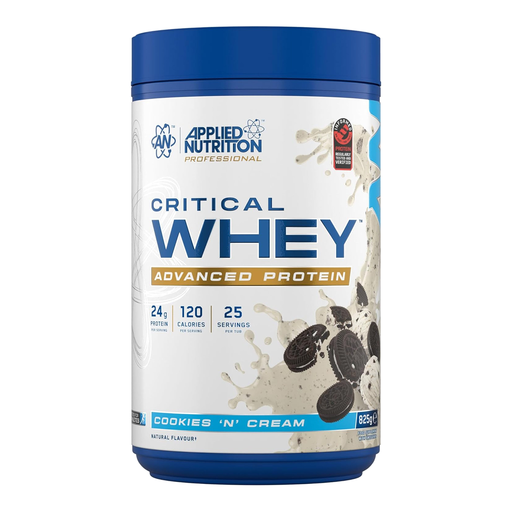
Why This Fits Their Persona: A practical 825g format suits new gym-goers who want to establish a post-workout protein routine without committing to a large bulk pack.
The concentrate-and-isolate blend is presented with approximate serving nutrition, making it easier to compare protein, calories and carbohydrates before buying.
Provides approximately 22–24g protein per serving; suitable for vegetarian diets according to the supplied product information.
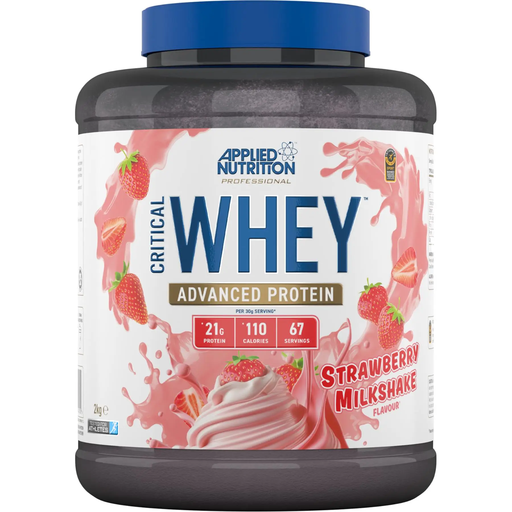
Why This Fits Their Persona: The larger pack suits regular lifters and households where protein shakes are used frequently throughout the week.
Its 33g serving size and declared 23.8g protein allow a clearer protein-per-serving comparison than relying on pack size or flavour descriptions.
Multi-source protein blend; 122 kcal and 23.8g protein per stated serving; available in a strawberry flavour.
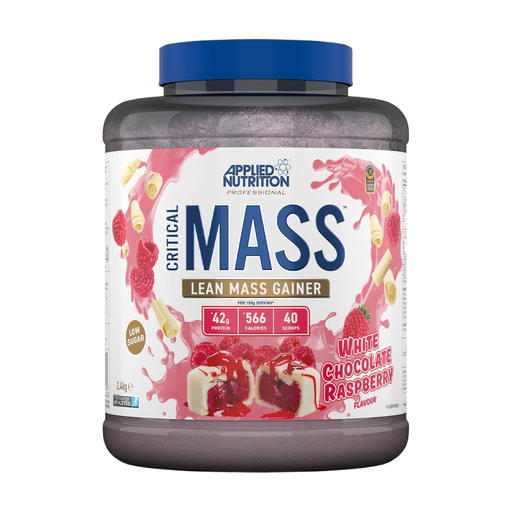
Why This Fits Their Persona: This format is aimed at adults with high calorie and protein needs, including hard gainers and athletes managing demanding training schedules.
The stated 150g serving makes its calorie commitment visible, helping buyers avoid treating a high-calorie gainer as an ordinary whey shake.
Provides 42g protein, 74.7g carbohydrate and 566 kcal per stated serving, with creatine and a multi-source protein blend.
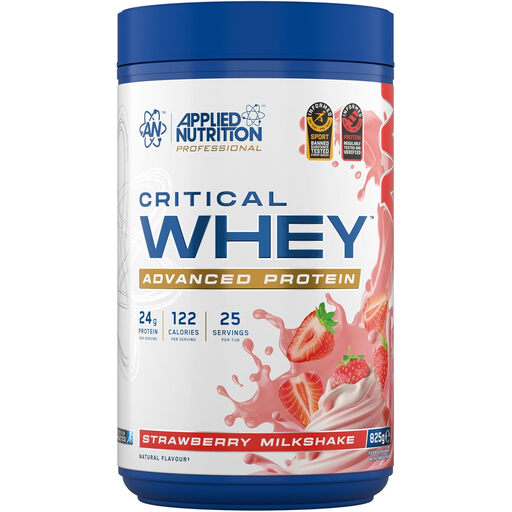
Why This Fits Their Persona: A smaller tub and familiar strawberry profile suit users who want a straightforward shake for work, home or the gym.
The label gives per-33g values rather than relying only on broad performance language, including 23.8g protein and 122 kcal per serving.
Contains whey concentrate, isolate and hydrolysate; suitable for shakes or recipes and provides 23.8g protein per serving.
We have compiled a complete, real-time list of products that fully satisfy these strict selection criteria and UK safety regulations.
A whey shake can be used after training or between meals, depending on your daily protein intake and routine. There is no need to use it at a specific minute after exercise. Follow the product’s serving instructions and count the protein supplied by normal meals.
This depends on serving size and frequency. An 825g tub used at 30–33g per serving provides roughly 25–27 servings, while a 2kg tub provides considerably more. Keep the container tightly closed in a cool, dry place away from moisture and direct sunlight, and follow the best-before information on the label.
Not necessarily. A mass gainer is convenient because it combines calories, carbohydrates and protein in one shake, but compare its cost per serving with ordinary foods and whey powder. If you already meet your calorie needs, a conventional whey protein powder may be a more proportionate purchase. Always follow the stated dosage and seek healthcare advice if you have a medical condition, take medication or have concerns about supplementation.