
24/7 全天候客户支持

免费退货

当日/次日达

品质保障

开启新人专享福利: 全场免邮 | 低至 2 折 | 免费试用 30 天 JoyPlus 会员
下载 Joybuy
Buying Applied Nutrition protein powder can seem straightforward until you compare whey blends, clear drinks, diet formulas, plant protein powder and mass gainers. Large tubs, bold flavour claims and phrases such as “fast absorption” can make products appear similar, even when their calories, allergens and intended uses differ considerably.
The right choice depends on your daily protein target, training routine, dietary requirements and overall calorie intake. This guide explains the main buying pitfalls and highlights suitable options available through Joybuy.
A large tub is not automatically economical. Compare the protein per serving, serving size and number of servings rather than looking only at the net weight. A 25g serving may provide around 20–21g of protein, while a 33g serving may provide approximately 24g. A mass gainer serving can contain substantially more calories and carbohydrates alongside its protein.
Also check the nutrition panel for sugar, fat and salt. A low-sugar protein powder may suit calorie-controlled eating, whereas a mass gainer is designed for people deliberately increasing energy intake.
Whey protein, including Applied Nutrition whey protein and Critical Whey protein, comes from milk and is unsuitable for people with a milk allergy. Some products also contain soya lecithin or may be manufactured alongside eggs, gluten or nuts.
A plant protein powder can suit vegan or vegetarian diets, but “plant-based” does not mean allergen-free. For example, a three-source vegan protein powder may contain soya. Beef protein powder can be a dairy-free alternative, while halal certification should be confirmed on the individual product listing and packaging.
Clear Whey protein has a juice-style texture rather than a creamy shake, but it is still made from hydrolysed whey protein derived from milk. It is therefore not a vegan protein powder or suitable for people avoiding dairy. Always read the allergen declaration before ordering, particularly if you have an intolerance or allergy.
For everyday supplementation, compare the grams of protein per serving with your existing meals. Applied Nutrition Critical Whey products use combinations such as whey concentrate, whey isolate and, in some versions, hydrolysed whey. The supplied product information lists approximately 22–24g of protein per serving, depending on flavour and format.
Diet Whey products provide 20g per 25g serving, with the strawberry version listing 101 kcal, 1.02g carbohydrates and 0.9g sugar per serving. This makes the format convenient for people tracking macros, but it still contains milk and additional ingredients such as CLA, Acetyl L-Carnitine and green tea extract. These ingredients should not be treated as medical or weight-loss guarantees.
Choose according to your objective:
Check the exact label for milk, soya and possible cross-contamination warnings. If halal status matters, look for certification details on the product page and packaging rather than relying on the product category.
Serving instructions also differ. Clear Whey generally uses a 25g scoop mixed with around 200–250ml of cold water, while some Critical Whey products use approximately 30–33g with 250–500ml. A mass gainer serving is considerably larger. Follow the supplied label and do not exceed the recommended intake.
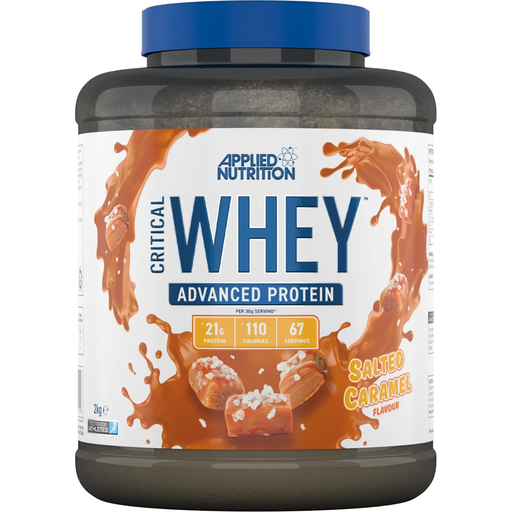
Why This Fits Their Persona: The 2kg format is practical for regular gym-goers who want one everyday whey option for shakes, breakfast recipes or between-meal use.
The listed nutrition panel provides 24g protein per 33g serving, so buyers can compare its protein density with other tubs rather than judging by packaging size alone.
Contains whey concentrate, isolate and hydrolysed whey; the product information also lists a smooth-mixing format and naturally occurring BCAAs.
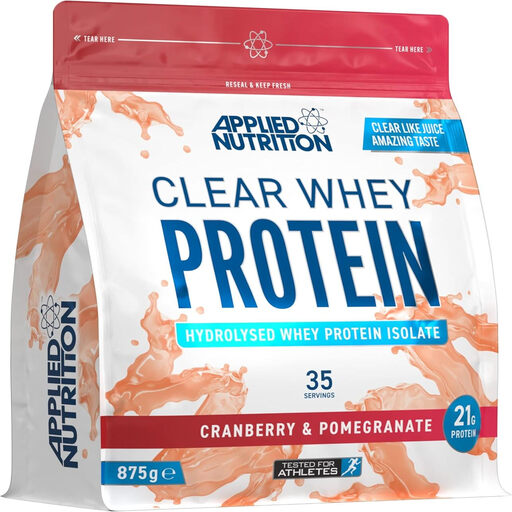
Why This Fits Their Persona: Suitable for active adults who prefer a light, fruit-style drink instead of a creamy shake after training or during a busy day.
Its clear format avoids the common mistake of buying a thick whey shake when you actually prefer a juice-style texture. It still contains milk-derived whey, which is clearly relevant for allergy checks.
The label lists 21.27g protein, 90 calories and 1.01g carbohydrate per 25g serving, with approximately 4.87g BCAAs.
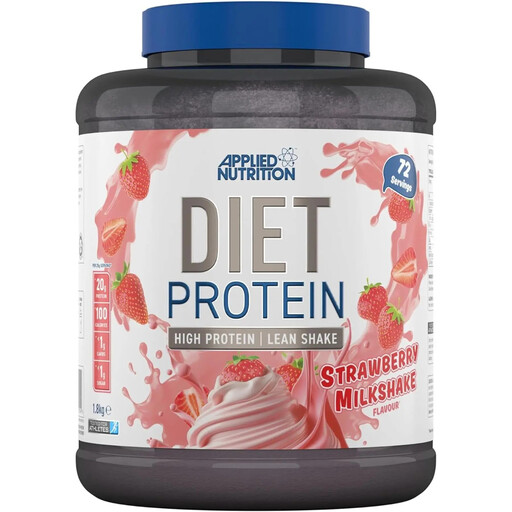
Why This Fits Their Persona: A practical option for adults counting calories and looking for a low-carbohydrate, low-sugar whey serving that can be used with water or added to porridge.
The nutrition panel makes the calorie and carbohydrate trade-off visible, helping users avoid treating a flavoured shake as a free-food addition to their diet.
Provides 20g protein and 101 kcal per 25g serving. It is vegetarian-friendly according to the supplied product information, but contains milk.
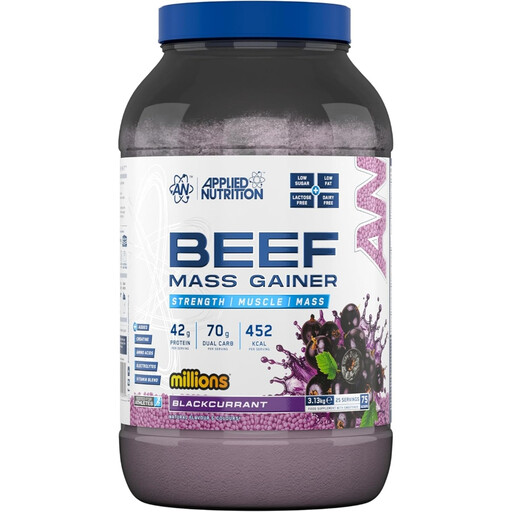
Why This Fits Their Persona: Designed for adults with higher calorie needs who are intentionally bulking and want a dairy-free, gluten-free and soya-free protein-and-carbohydrate powder.
The serving size and calorie count clearly distinguish it from ordinary whey, reducing the risk of accidentally adding 452 kcal and 70g carbohydrates when you only wanted a light post-workout protein.
Provides 42g beef protein, 70g carbohydrates and 452 kcal per 125g serving. The listing also identifies it as halal certified and includes creatine, EAAs and electrolytes.
We have compiled a complete, real-time list of products that fully satisfy these strict selection criteria and UK safety regulations.
Many of the listed whey and clear whey products can be used after exercise or between meals, provided they fit your daily nutrition plan. Timing is less important than reaching an appropriate total protein intake across the day. Follow the serving guidance on the specific product page.
Clear Whey and Diet Whey formats list relatively low sugar per serving. The exact figures vary by flavour, so check the nutrition table rather than assuming every version is identical. Clear Whey products remain milk-derived and are not suitable for vegan or dairy-free diets.
Keep the container tightly closed in a cool, dry cupboard away from direct sunlight, heat and moisture. Do not store it beside a kettle or in a humid kitchen area. Check the best-before date and product label, and use a dry scoop to reduce clumping. Supplements should complement a varied, balanced diet rather than replace it.