
24/7 全天候客户支持

免费退货

当日/次日达

品质保障

开启新人专享福利: 全场免邮 | 低至 2 折 | 免费试用 30 天 JoyPlus 会员
下载 Joybuy
Choosing an Applied Nutrition protein powder is not simply a matter of picking the most appealing tub or flavour. The range includes whey blends, clear whey protein, diet whey, beef protein isolate and plant-based alternatives, each with different nutritional profiles and suitability.
The main challenge is separating useful product information from marketing language. A powder can sound highly advanced while offering too little protein per serving, unsuitable ingredients or poor value for your routine.
A high protein figure per 100g can look impressive, but your practical intake depends on the serving size. For example, Applied Nutrition Critical Whey products commonly provide around 22–24g of protein per serving, while the 825g tub size gives approximately 25 servings in some variants.
Always check:
This makes it easier to compare a high-protein powder fairly rather than relying on the front of the packaging.
Whey concentrate, isolate and hydrolysed whey are all milk-derived proteins. They may be convenient as a post-workout protein powder, but they are not dairy-free. People with a milk allergy or those avoiding lactose should inspect the allergen statement carefully.
A clear whey product may feel lighter than a creamy shake, but Applied Nutrition Clear Whey still contains milk. For a dairy-free option, a beef protein isolate such as BEEF-XP may be more appropriate, subject to checking the full label and personal dietary needs.
Products marketed for weight management may include ingredients such as CLA, green tea extract or Acetyl-L-Carnitine. These additions should not distract from the basics: protein quantity, calories, sugar, allergens, flavour preference and price per serving.
A low-sugar protein powder can help with macro planning, but it does not replace a varied diet or automatically produce weight loss. Consider the complete nutrition panel rather than one highlighted claim.
Whey protein concentrate and isolate are common in Applied Nutrition whey protein products. Blended formulas may combine concentrate, isolate, hydrolysate and milk protein concentrate. This provides a convenient source of protein for adults who want to support muscle growth and maintenance alongside resistance training and adequate nutrition.
For people avoiding animal dairy, the supplied range also includes plant-based protein powder. PhD Smart Plant Protein provides 20g of protein per 25g serving and contains pea protein and soya protein. It is suitable for vegetarian and plant-focused diets, but it is not suitable for people with a soya allergy.
BEEF-XP provides 27.3g of protein per 30g serving and is described as dairy-free and lactose-free. It is made with hydrolysed beef protein isolate and contains less than 0.1g sugar per serving. Check the specific flavour label before purchase, as ingredients can vary.
For general comparison, the products supplied here cover several different profiles:
These figures show why comparing labels matters. Clear whey can suit those who prefer a light, fruit-style drink, while diet whey may appeal to shoppers tracking calories. Neither is automatically suitable for every goal.
A smaller 825g tub may be useful when trying a new flavour or checking tolerance. A 2kg whey protein tub can be more practical for frequent users, although it requires confidence that you will enjoy the flavour and use the product consistently.
Applied Nutrition Critical Professional Whey products in 2kg formats provide a larger supply, with listed servings delivering approximately 21–24g protein depending on the product. To assess value, divide the price by the number of servings rather than comparing tub prices alone.
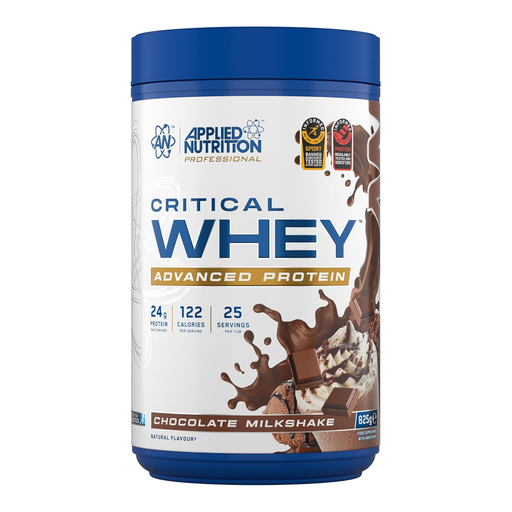
Why This Fits Their Persona: The 825g format offers a manageable starting point for gym-goers who want a familiar whey shake without committing to a large tub.
The product listing provides serving-level nutrition, including 23.6g protein and 122 kcal per 33g serving, rather than relying only on broad marketing terms.
Whey concentrate, isolate and hydrolysate blend; chocolate flavour; suitable for shakes or recipes.
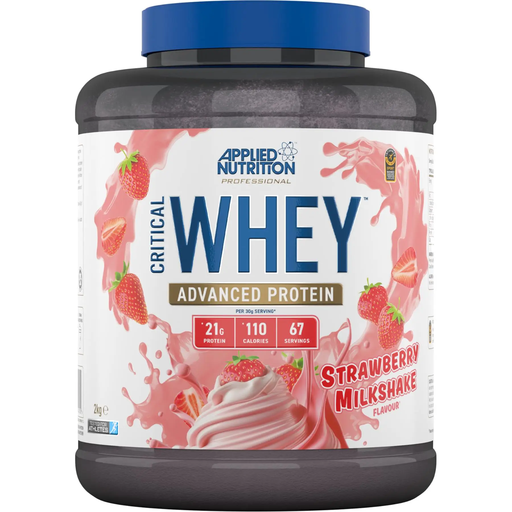
Why This Fits Their Persona: The 2kg format suits frequent trainers, bodybuilders and households where protein powder is used regularly throughout the week.
Its listed multi-source protein blend and 33g serving information make it easier to assess the formula and supply before buying in bulk.
Approximately 23.8g protein per serving; strawberry flavour; larger 2kg pack for regular use.
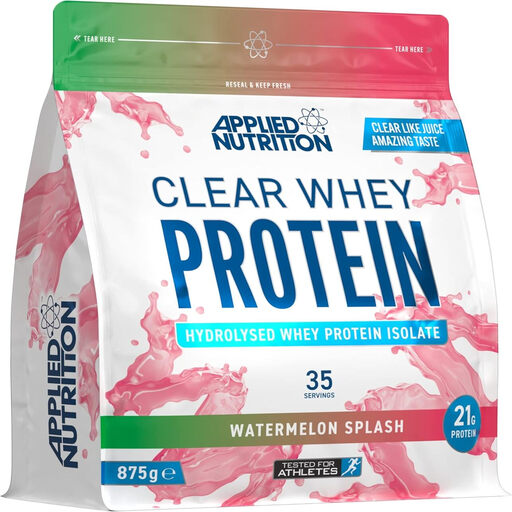
Why This Fits Their Persona: A fruit-flavoured drink can suit people who find creamy shakes heavy, particularly after exercise or during warmer UK training days.
The listing clearly identifies milk-derived hydrolysed whey, so the lighter texture is not mistaken for a dairy-free formula.
Around 21.27g protein and 90 kcal per 25g serving; watermelon flavour; 875g pack.
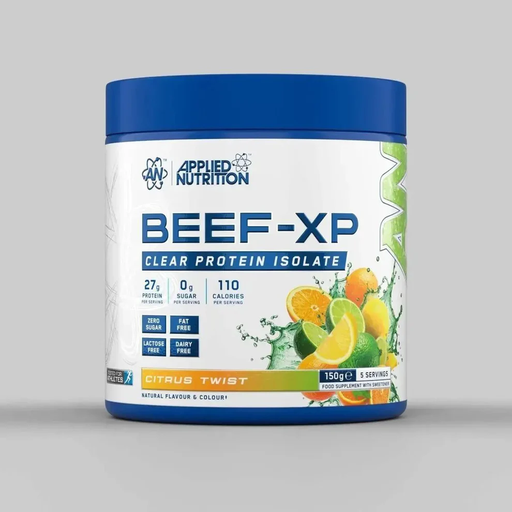
Why This Fits Their Persona: This clear beef protein isolate is designed for adults seeking a dairy-free and lactose-free alternative to whey-based supplements.
It states the protein source and dairy-free positioning directly, while also highlighting possible cross-contact in the manufacturing facility.
27.3g protein per 30g serving; less than 0.1g sugar per serving; citrus-style clear drink.
We have compiled a complete, real-time list of products that fully satisfy these strict selection criteria and UK safety regulations.
Protein powder is a convenient way to increase daily protein intake, but it should complement meals rather than replace a varied diet. Mix the quantity stated on the label with water, milk or a suitable plant-based drink. A post-workout shake is convenient, although timing is less important than meeting your overall daily nutrition and training needs.
Use scales when accuracy matters, as scoops are approximate. Store the tub sealed in a cool, dry place away from direct sunlight, and check the packaging for the latest ingredients, allergen information, serving guidance and best-before date.
Whey products contain milk-derived ingredients and may contain lactose. Suitability depends on individual tolerance and the specific formulation. Read the allergen statement and consider a non-dairy alternative such as beef protein isolate. Anyone with a diagnosed allergy should seek appropriate professional advice before use.
Clear whey can be used as a post-workout protein powder or at another time of day. Applied Nutrition Clear Whey products listed here provide approximately 21.27g protein per 25g serving and are mixed with cold water. Follow the product label rather than assuming that all clear whey products have identical serving instructions.
This depends on tub size and servings per day. An 825g product may provide around 25 servings where the serving is 33g. A 2kg whey protein tub will generally last longer for regular users, but the exact duration depends on the stated serving size and how often you use it. Always compare cost per serving before purchasing.