
24/7 Customer Support

Free returns

Same-day & Next-day Delivery

Quality Guaranteed

Unlock Your Welcome Offers: FREE Delivery | Up to 80% OFF | Free 30-day JoyPlus trial
Download the APP
A shaker bottle can look like a simple gym accessory, but the wrong design soon becomes inconvenient. A lid that loosens in your gym bag, a narrow opening that traps powder and a capacity that does not match your serving routine can make a low-cost purchase poor value.
When comparing an Applied Nutrition shaker bottle, focus on practical construction rather than branding alone. The right choice depends on how much liquid you usually mix, whether you prefer stainless steel or plastic and whether a manual mixing grid is enough for your supplements.
Terms such as “leakproof” are useful, but the overall lid design matters. Check whether the bottle has a screw-on lid, a firmly closing flip cap and a seal that can be removed for cleaning. A bottle may still leak if the lid is not fully tightened or if powder residue prevents the seal from sitting correctly.
For commuters and gym-goers carrying a protein shaker bottle in a rucksack, a secure cap and carry loop can be more valuable than decorative features.
A 400ml bottle may suit a compact protein serving or pre-workout drink, while a 600ml to 750ml bottle offers more space for larger servings, meal replacements or additional water. Filling to the maximum line is important because powders and vigorous shaking need room to move.
Avoid assuming that a larger bottle is automatically more convenient. It can take up more space and may feel heavier when full.
A standard shaker bottle with mixing grid uses a mesh insert or agitator to break up powder as you shake. This is simple, portable and does not require charging. An electric shaker bottle uses a motor, which can be useful for busy users or denser drinks, but it introduces a battery and cleaning routine.
A mixing grid can improve texture, but it cannot compensate for unsuitable liquid, excessive powder or inadequate shaking. Add liquid first, then powder, secure the lid and shake according to the product instructions.
Select a volume based on your normal drink rather than occasional use:
Clear internal markings help with repeatable preparation. They are particularly useful when you want to track how much liquid goes into a sports supplement shaker.
A BPA-free shaker bottle made from food-grade plastic is generally lightweight and easy to carry. Plastic can be practical for everyday gym use, especially if you prefer a dishwasher-safe design. Check the care instructions, as heat and high temperatures can warp some plastics.
A stainless steel shaker bottle offers a more substantial construction and may be less prone to odour and staining than some plastic alternatives. However, it is usually heavier and should not be used with hot liquids unless the manufacturer specifically permits this. The Applied Nutrition metal models supplied here state that hot or boiling liquids should not be used.
Look for a wide spout, flip-top cap and carry attachment if you drink while travelling between work, home and the gym. A non-slip silicone grip can make a full bottle easier to handle.
Cleaning is equally important. Rinse the bottle soon after use, remove the mixing insert and allow all parts to dry fully. Electric models require extra care: the cup or base may be dishwasher-safe, but the motor housing should not be submerged if the instructions prohibit it.
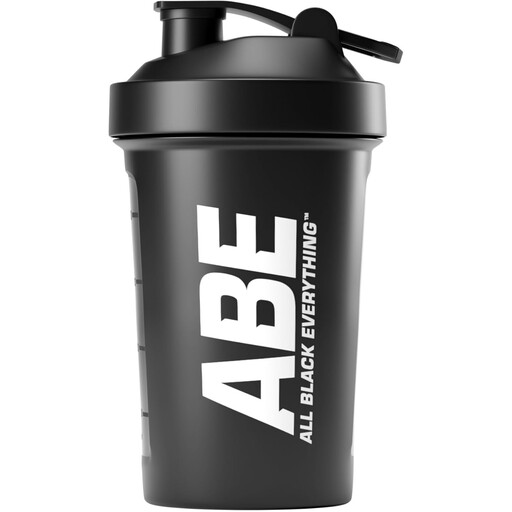
Why This Fits Their Persona: The compact 400ml capacity suits new gym users, office workers and anyone who wants a lightweight bottle for single servings.
The screw-on lid, flip cap and mesh grill address common concerns around spills and powder clumps.
BPA-free plastic, clear 100ml–400ml markings, wide spout and a lightweight format.
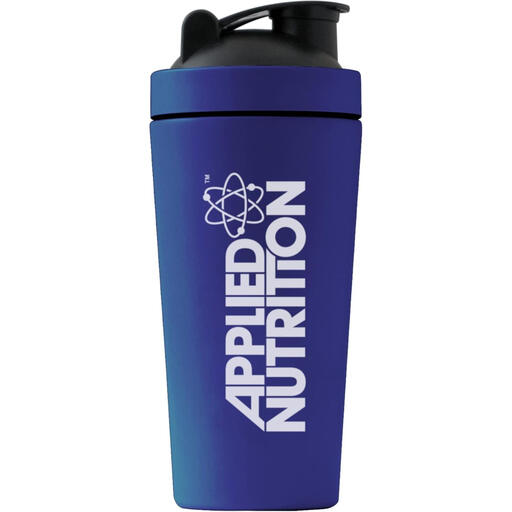
Why This Fits Their Persona: Its larger stainless steel format is suited to regular gym users who value a substantial bottle for training and daily hydration.
The metal body avoids relying on thin plastic construction, while the screw-on lid and flip cap support secure transport.
Stainless steel construction, 750ml capacity, internal measurement markings and mesh mixing grid.
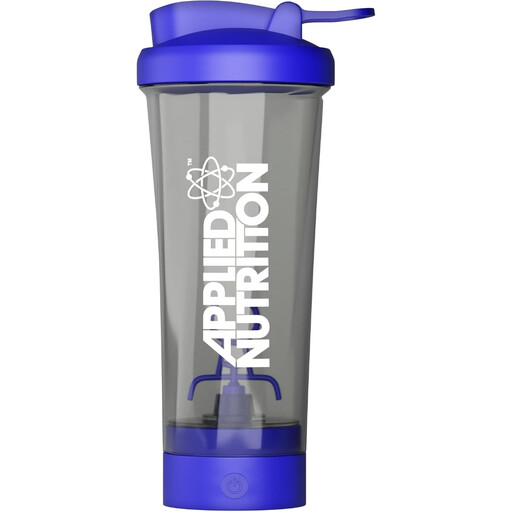
Why This Fits Their Persona: The powered mixing function is aimed at busy adults, frequent supplement users and anyone who prefers button-operated preparation.
It provides a defined 45-second mixing cycle, reducing reliance on vigorous manual shaking for each drink.
6500rpm motor, leakproof cap with handle, BPA-free food-grade materials and dishwasher-safe cup base.
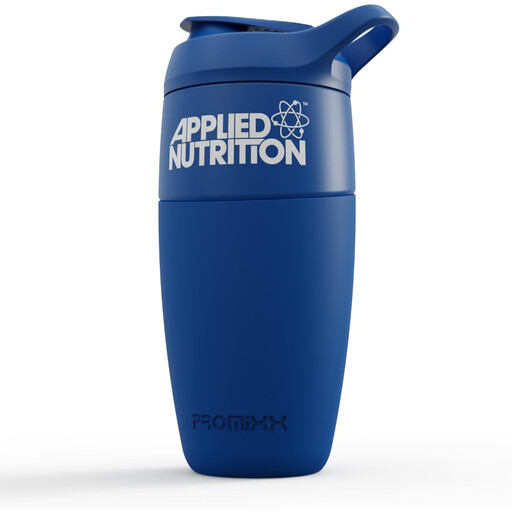
Why This Fits Their Persona: This 700ml stainless steel option suits users who want a reusable fitness bottle for both supplement drinks and everyday cold hydration.
The sports lid, carry loop and silicone grip address portability and handling issues, while the agitator is designed for quiet manual mixing.
Stainless steel body, non-slip silicone grip, leakproof sports lid and silent snap-fit agitator.
We have compiled a complete, real-time list of products that fully satisfy these strict selection criteria and UK safety regulations.
For a manual protein shake mixer, use the following sequence:
Do not use these products with hot or boiling liquids unless the specific instructions allow it. Pressure can build inside a sealed container. Electric models also require care around the motor base, and the propeller should not be touched or tampered with.
The listed models are designed for water-based supplements, including pre-workout drinks. Always check the product label and the instructions for your chosen powder. Use the recommended serving guidance for the supplement rather than treating the bottle’s capacity as a dosage guide.
Lifespan depends on frequency of use, cleaning, impact and the condition of the lid seal. Inspect the bottle regularly for cracks, warped plastic, damaged threads or seals that no longer align. Replace it if structural damage or persistent leakage appears.
A manual shaker has no charging requirement. An electric model requires power for its motor, so running cost depends on battery design, charging frequency and electricity rates. Its more significant consideration is maintenance: keep the motor housing dry and follow the supplied cleaning instructions.