
24/7 Customer Support

Free returns

Same-day & Next-day Delivery

Quality Guaranteed

Unlock Your Welcome Offers: FREE Delivery | Up to 80% OFF | Free 30-day JoyPlus trial
Download the APP
Choosing Applied Nutrition sports supplements can be confusing when similar-looking tubs promise energy, recovery, strength or hydration. The right choice depends less on bold front-of-pack language and more on the ingredient list, serving size, format and how you plan to use it.
Whether you are preparing for a long cycle ride, fuelling gym sessions or looking for convenient daily nutrition, these checks can help you avoid paying for a product that does not suit your routine.
A powder may contain a high percentage of carbohydrate, but that does not automatically make it appropriate for every workout. A short gym session may not require the same fuelling approach as a long-distance run or cycling event.
Check:
For example, Applied Nutrition Carb X products provide around 24g of carbohydrate per 25g serving, while the endurance energy powders provide approximately 47.8g of carbohydrate per 50g serving, alongside electrolytes. These are different use cases rather than interchangeable products.
Digestive comfort varies between individuals. Highly soluble powders may mix conveniently, but flavourings, sweeteners, carbohydrate concentration and personal tolerance can still affect your experience.
Do not assume that a product described as fast-acting will suit every stomach. Start with the label’s recommended serving, particularly before an important event, and avoid introducing unfamiliar sports nutrition on race day.
“Vegan”, “gluten-free” or “Halal” suitability should be checked against the current packaging and ingredients rather than assumed from the product category. Some products are made in facilities that handle milk, soya, egg, fish or cereals containing gluten.
Always read:
Applied Nutrition carbohydrate powder formats include cream of rice, highly branched cyclic dextrin products and maltodextrin-and-fructose endurance formulas.
The most suitable format is the one that matches your required intake and your ability to carry and consume it.
For adults considering creatine monohydrate powder or creatine gummies, compare the amount of creatine per daily serving rather than the number of tablets, gummies or scoops.
The listed Applied Nutrition powder products provide 5g creatine monohydrate per serving. The cola-flavoured gummies provide 3g per four-gummy serving, and also contain sugar and glucose syrup. Powder is generally easier to combine with other drinks, while gummies are convenient for travel, work or the gym.
Follow the product label and consider professional advice if you take medication, have a medical condition, are pregnant or breastfeeding, or are under the stated age restriction.
A 125g trial-size pouch may be useful if you are unsure about a flavour. Larger 1.2kg, 1.5kg or 2kg packs can reduce how often you reorder, but only represent value if you will use the product before its best-before date.
To compare cost, calculate:
Pack price ÷ number of labelled servings = cost per serving
Also account for the format. A powder may be economical for daily use, whereas pre-portioned sachets or gels prioritise convenience during travel and events.
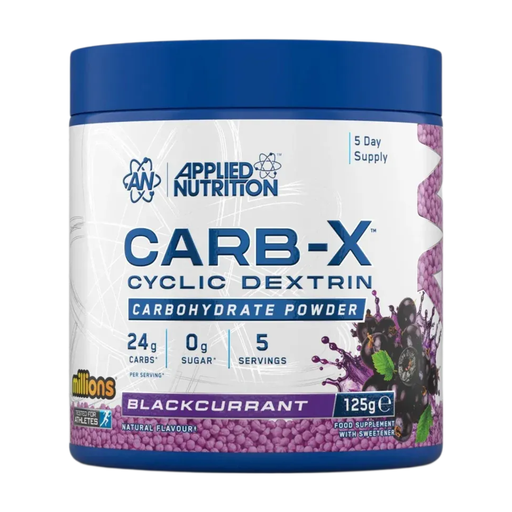
Why This Fits Their Persona: The smaller 125g format lets new users try a flavour and serving routine before committing to a larger tub.
The serving information makes it easier to calculate actual carbohydrate intake instead of judging value by pack appearance.
24g carbohydrate per 25g serving; listed as vegan, vegetarian and gluten-free. Check the current label for allergen information.
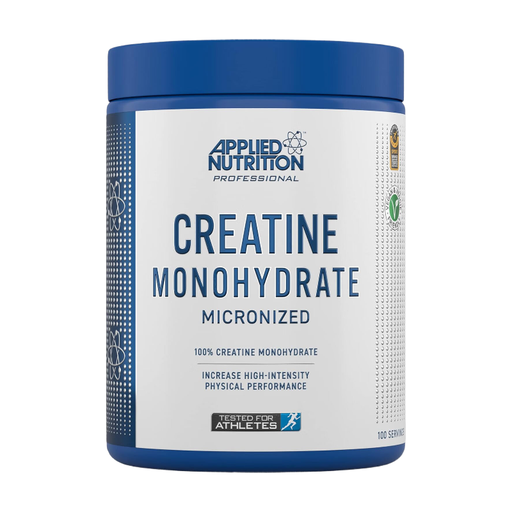
Why This Fits Their Persona: A 500g unflavoured pack suits regular gym users who want a simple ingredient profile and a long-term supply.
It uses a clearly stated single ingredient: micronised creatine monohydrate, rather than relying on a lengthy blend.
5g creatine monohydrate per listed serving; unflavoured powder can be mixed with water or other drinks.
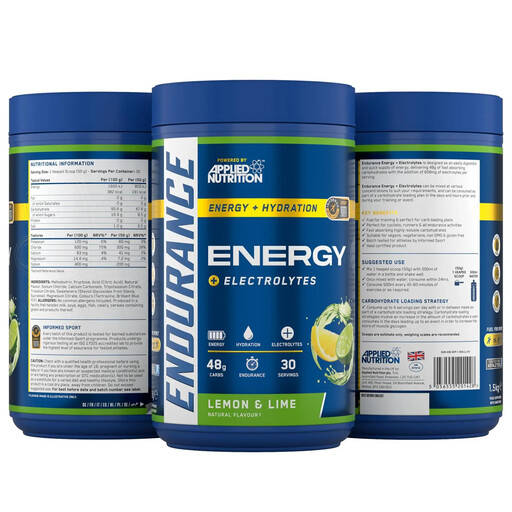
Why This Fits Their Persona: Runners, cyclists and other endurance users can prepare a larger bottle for longer sessions and adjust the water volume to their preference.
It states both carbohydrate and electrolyte quantities, helping buyers distinguish an endurance drink from a plain carb powder.
Approximately 47.8g carbohydrate and 300mg electrolytes per 50g serving; listed as suitable for vegan and vegetarian diets.
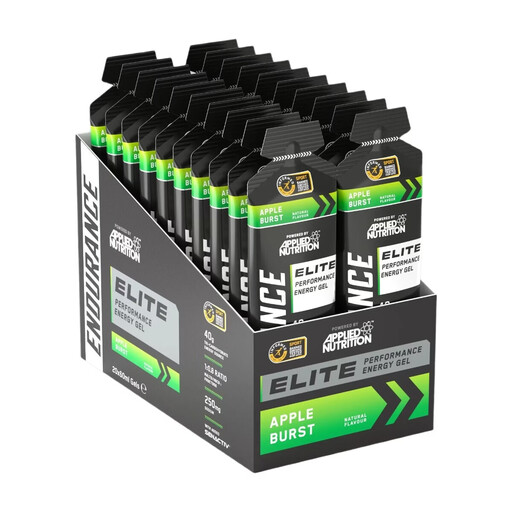
Why This Fits Their Persona: Individual gels are convenient for runners and cyclists who need compact fuelling during races, rides or long training sessions.
The carbohydrate and sodium amounts are stated per gel, making event planning more straightforward than estimating from a tub.
40g carbohydrate and 250mg sodium per gel; supplied as a 20-gel pack. Review allergen information before use.
We have compiled a complete, real-time list of products that fully satisfy these strict selection criteria and UK safety regulations.
Some listed products, including selected Carb X, cream of rice and endurance formats, are described as vegan, vegetarian or Halal suitable. Formulas can differ by flavour and packaging, so check the current label and certification details before purchase.
Choose powder when you want to prepare a drink in advance or control the concentration. Choose a gel when portability and quick access during a run or ride matter more. Practise with either format before an event to assess personal tolerance.
Divide the net pack weight by the labelled serving size. For example, a 1.2kg Carb X tub at 25g per serving provides approximately 48 servings before accounting for measuring variation. Store products sealed in a cool, dry place and follow the best-before information on the packaging.