
24/7 Customer Support

Free returns

Same-day & Next-day Delivery

Quality Guaranteed

Unlock Your Welcome Offers: FREE Delivery | Up to 80% OFF | Free 30-day JoyPlus trial
Download the APP
Choosing Applied Nutrition supplements can be confusing when similar tubs promise energy, recovery or body-composition support. The useful differences are often found in the nutrition panel rather than the front label: serving size, carbohydrate quantity, protein source, allergens and dietary certifications.
This guide helps UK shoppers compare Applied Nutrition protein powder, carbohydrate energy powder and related sports nutrition supplements without paying for features they will not use.
Protein powder and carbohydrate powder serve different purposes. A clear whey drink may provide around 21g of protein per 25g serving, while Carb X contains approximately 24g of carbohydrate and no protein per 25g serving. Choosing the wrong format can make it harder to match your daily nutrition plan.
A 1.8kg bag may appear better value than an 875g tub, but the number of servings and recommended scoop size matter more. Compare:
This is particularly important for regular gym-goers and endurance athletes who may use supplements several times each week.
“Light”, “clean” or “fitness” wording does not automatically mean a product suits every diet. Whey products contain milk, and some products may contain or be produced around soya, egg or other allergens. Always check the current packaging.
Some Carb X products are listed as suitable for vegan, vegetarian, gluten-free and Halal diets, while clear whey and Diet Whey products contain milk. Certification and allergen information should be checked against the product label before purchase.
For a protein supplement, check the protein per serving, not just the percentage printed on the front. Applied Nutrition Clear Whey products provide approximately 21.27g protein per 25g serving, alongside around 90 calories, 1.01g carbohydrate and 0.12g fat according to the supplied nutrition information.
The texture is also relevant. Clear whey is designed to mix into a fruit-drink-style beverage rather than a creamy shake. This may suit runners, cyclists or gym users who prefer a lighter drink. It still contains milk-derived whey, so it is not suitable for people avoiding dairy.
Diet Whey provides 20g protein per 25g serving, with low listed carbohydrate and sugar values. It may be more appropriate for adults tracking calories and macros, but ingredients such as CLA, acetyl L-carnitine and green tea extract should be reviewed individually, particularly if taking medication.
Carbohydrate products vary considerably:
Highly branched cyclic dextrin is used in several Carb X products. The practical buying point is its carbohydrate concentration and intended use, rather than assuming a branded ingredient is necessary for every session.
Check how much liquid each product requires. Carb X is commonly mixed with around 500ml of water, while clear whey may use 200–400ml, depending on the specific listing. Incorrect dilution can affect taste and drinking convenience.
Flavour is not merely cosmetic for frequent use. Fruit-style clear whey may be preferable after training or during warmer UK weather, while vanilla, strawberry or toffee biscuit flavours may work better in porridge and shakes. For calorie-controlled diets, check the complete nutrition panel rather than relying on terms such as “lean” or “macro-friendly”.

Why This Fits Their Persona: The 1kg format offers a practical starting point for adults wanting a food-style carbohydrate powder for breakfast, pre-training meals or general daily nutrition.
The nutrition panel clearly lists 83g carbohydrate per 100g and a 30g serving, making portion tracking more straightforward than relying on vague energy wording.
Fine white rice flour; 25g carbohydrate per listed serving; toffee biscuit flavour; contains milk.
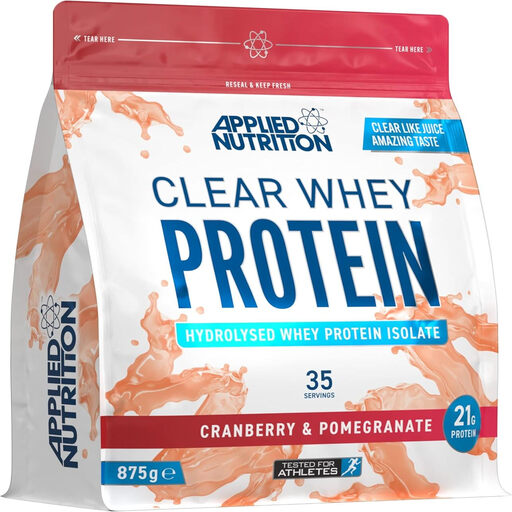
Why This Fits Their Persona: Suitable for adults who want a measured protein drink with a fruit-juice-style texture rather than a traditional creamy shake.
The listed serving provides 21.27g protein and 90 calories, helping shoppers compare it by measurable nutrition rather than presentation claims.
Hydrolysed whey protein; approximately 4.87g BCAAs per serving; low listed fat and sugar; contains milk.
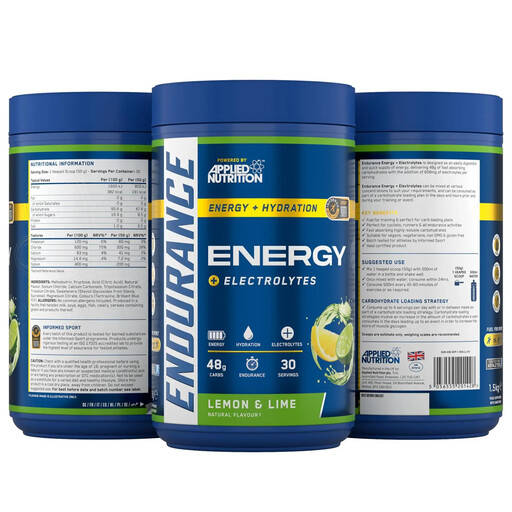
Why This Fits Their Persona: A practical option for runners, cyclists and endurance participants undertaking prolonged sessions where both carbohydrate and electrolytes are relevant.
It combines a stated 47.8g carbohydrate serving with sodium, magnesium, calcium and potassium, rather than supplying carbohydrate alone.
1.5kg pack; 191 calories per 50g serving; vegan and vegetarian listed; gluten-free and Halal listed.
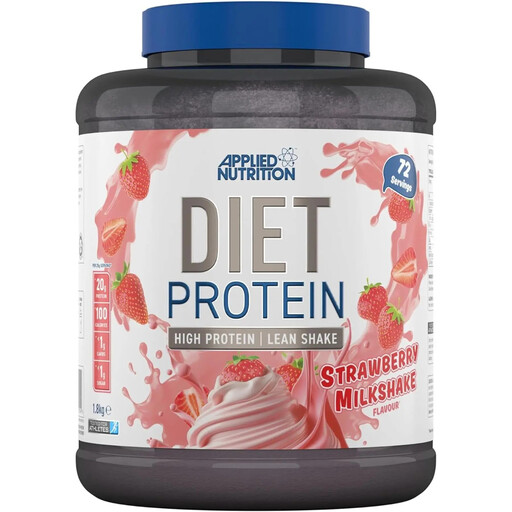
Why This Fits Their Persona: Designed for adults who want a larger protein format while monitoring calorie, carbohydrate and sugar intake.
The panel states 20g protein, 101 calories, 1.02g carbohydrate and 0.9g sugar per 25g serving, supporting straightforward macro comparison.
1.8kg pack; whey concentrate and isolate blend; strawberry flavour; contains milk.
We have compiled a complete, real-time list of products that fully satisfy these strict selection criteria and UK safety regulations.
For prolonged activity, an endurance energy and hydration powder with both carbohydrates and electrolytes may be more suitable than a protein-only product. Compare the carbohydrate quantity per serving, electrolyte information and recommended water volume. Trial any new product during training rather than introducing it for the first time on event day.
The supplied clear whey listings provide approximately 90 calories, 21.27g protein and 1.01g carbohydrate per 25g serving. It may fit a calorie-controlled plan, but it contains milk and should be assessed alongside your complete daily intake.
Keep powders in a cool, dry place, away from direct sunlight and moisture, and close the container after use. Check the best-before date, batch information, ingredients and dosage on the product label. Food supplements should complement, not replace, a varied and balanced diet. If you are pregnant, under medical supervision, taking medication or managing an allergy, seek suitable professional advice before use.