
24/7 Customer Support

Free returns

Same-day & Next-day Delivery

Quality Guaranteed

Unlock Your Welcome Offers: FREE Delivery | Up to 80% OFF | Free 30-day JoyPlus trial
Download the APP
Choosing Applied Nutrition sports supplements is not simply a matter of selecting the most impressive-looking tub. Creatine, pre-workout powder, hydration products and fat burner powder can have very different formulas, serving sizes and suitability requirements. The right choice depends on your training schedule, caffeine tolerance, dietary preferences and how much convenience you need.
This guide highlights common buying traps, explains the specifications worth checking and matches several products to different UK gym and fitness routines.
A pre-workout containing caffeine, creatine, beta-alanine, citrulline and vitamins may look comprehensive, but more ingredients do not automatically make it appropriate for every user. Check the amount per serving, not just whether an ingredient appears on the label.
For example, some Applied Nutrition pre-workout powders provide 200mg or 250mg of caffeine per serving. That may be unsuitable for people who train late, already drink several caffeinated beverages or are sensitive to stimulants.
A 375g tub may sound larger than a 250g creatine pouch, but the serving size is different. A pre-workout may use 12.5g or 15g per serving, while a creatine monohydrate powder commonly uses around 5g. Compare the number of servings, rather than judging value from pack weight alone.
Daily supplementation becomes inconvenient if the product does not suit your routine. Unflavoured creatine can be mixed into water, juice or a shake, while flavoured powders may be easier to drink on their own. Creatine gummies avoid mixing altogether, but buyers should check the creatine quantity per recommended serving and any sugar or sweetener content.
For shoppers comparing Applied Nutrition creatine, the key detail is the form and quantity. Creatine monohydrate is the primary creatine ingredient in the products featured here. One unflavoured powder provides 5g per serving, while the cherry and apple version lists 4,250mg per serving. Some combined hydration products provide 5g per scoop, whereas certain gummies provide 3g per serving.
Do not automatically combine multiple products containing creatine. Add the amount from each source and follow the label directions.
A caffeine pre-workout may suit morning or daytime training, while a stimulant-free pre-workout is more practical for evening sessions. The ABE Energy formula provides 200mg caffeine per 12.5g serving. Applied Nutrition Pump 3G lists 250mg per 15g serving, while Pump 3G Zero is caffeine-free.
Always consider caffeine from coffee, tea, energy drinks and other sports nutrition supplements. Follow the product’s maximum daily serving and avoid using a caffeinated formula close to bedtime if it affects your sleep.
Vegan supplements and Halal-certified supplements can be useful for shoppers with specific dietary requirements, but certification and suitability vary by product. Several ABE products are listed as vegan-friendly and Halal certified. Check the current packaging for certification details, allergen statements and manufacturing warnings.
Some products may be made in facilities handling milk, soya, eggs, fish or gluten-containing cereals. Read the label carefully if you have an allergy or intolerance.
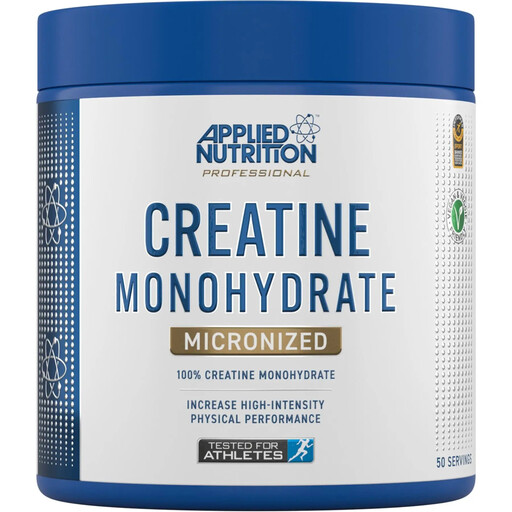
Why This Fits Their Persona: A straightforward option for UK gym beginners who want one familiar ingredient without committing to a multi-ingredient pre-workout.
The ingredient list is limited to micronised creatine monohydrate, making it easier to compare the serving amount and avoid paying for unnecessary extras.
Unflavoured; 5g creatine monohydrate per serving; mixes with water or shakes.
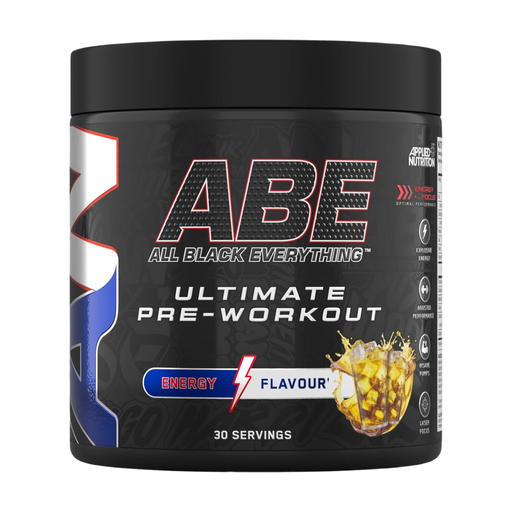
Why This Fits Their Persona: Suits healthy adults seeking a clearly specified daytime formula for energy and workout focus.
The label states the caffeine quantity and individual amounts of citrulline malate, creatine and beta-alanine rather than relying only on broad performance language.
200mg caffeine per serving; zero sugar; vegan-friendly and Halal-certified according to the product information.
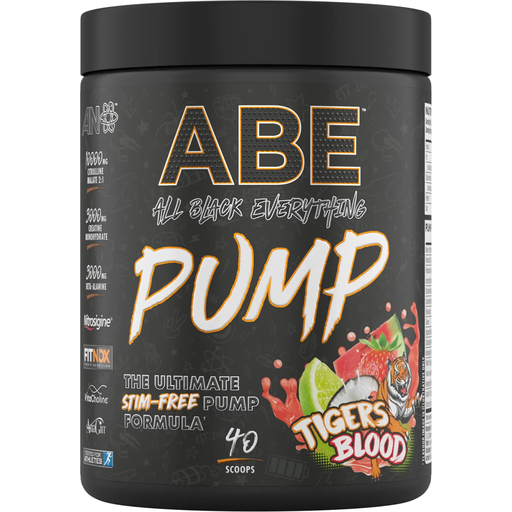
Why This Fits Their Persona: Designed for adults who train in the evening or prefer pump-focused supplementation without caffeine.
The formula is explicitly caffeine-free and stimulant-free, so it is not confused with an energy-focused pre-workout.
Caffeine-free; vegan-friendly and Halal-certified according to the product listing; 500g format.
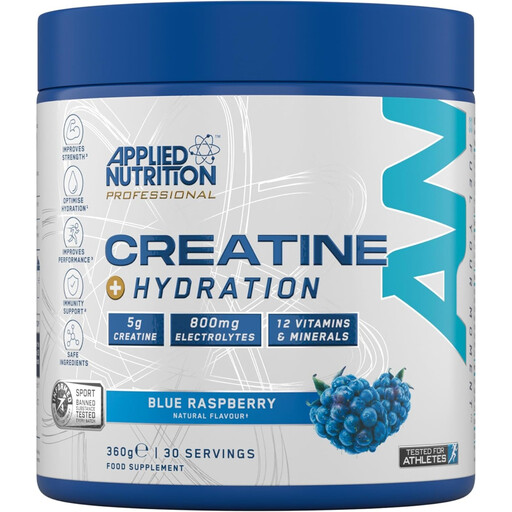
Why This Fits Their Persona: A practical match for people who want creatine and hydration and regularly train, run or take part in longer active sessions.
It states the creatine and electrolyte quantities, helping buyers distinguish a combined hydration product from a standard creatine powder.
5g creatine monohydrate per scoop; includes potassium, magnesium, calcium and sodium; 360g pack.
We have compiled a complete, real-time list of products that fully satisfy these strict selection criteria and UK safety regulations.
Both formats can provide creatine monohydrate, but the serving amount varies. Powder is usually easier to adjust and mix into drinks, while gummies are more portable and require no water. Check sugar, sweeteners, allergens and the recommended daily serving.
Choose according to training time and caffeine tolerance. A caffeine pre-workout may suit daytime sessions, while a stimulant-free option is more suitable for evening training or those avoiding caffeine. Do not combine several stimulant products without checking their total caffeine content.
Keep powders and gummies in a cool, dry place away from direct sunlight, heat and humidity. Close tubs securely after use and keep all supplements out of the reach and sight of children. Always follow the current product label, as formulations, serving instructions and warnings may change.