
24/7 全天候客户支持

免费退货

当日/次日达

品质保障

开启新人专享福利: 全场免邮 | 低至 2 折 | 免费试用 30 天 JoyPlus 会员
下载 Joybuy
Choosing a protein powder can seem straightforward until you compare serving sizes, protein percentages, flavours and added ingredients. For UK shoppers, the main challenge is separating useful nutrition information from persuasive packaging.
Applied Nutrition whey protein powder is available in Diet Whey and ISO-XP formats, with options including chocolate, vanilla, strawberry and banana protein powder flavours. Before buying, check these three common pitfalls.
A tub may display a high protein percentage, but the practical figure is the amount delivered in one scoop. A 25g serving of Applied Nutrition Diet Whey provides 20g of protein, while several ISO-XP products provide 22.5g.
Also check the serving size. Comparing a 25g scoop with a 30g scoop without adjusting the figures can make one product appear more concentrated than it is.
Applied Nutrition Diet Whey is designed as a low-calorie, high-protein shake. It is not automatically a complete meal replacement. The listed 1kg banana product provides 90 kcal, 20g protein, 1.6g carbohydrate and 1.2g fat per 25g serving.
It can be useful between meals or after training, but it should sit alongside a varied diet rather than replace balanced meals without considering fibre, vitamins and overall energy intake.
Whey products contain dairy, and some formulas may contain soy or have precautionary allergen statements. Diet Whey products include ingredients such as CLA, L-carnitine and green tea extract. These are not reasons to assume the powder will produce weight loss on its own.
Read the current label carefully, particularly if you take medication, avoid caffeine, have a food allergy or follow a vegetarian diet. Product formulations and packaging can change, so the tub supplied with your order should take priority over older online information.
For a protein powder for muscle maintenance, compare protein per scoop with the calories and macronutrients. Diet Whey products in this range generally provide 20g of protein per 25g serving, around 100–101 kcal, and approximately 1g of carbohydrate.
ISO-XP whey protein isolate provides around 22.4–22.5g of protein per 25g serving, with approximately 89–93 kcal, depending on the flavour. This makes it a practical option when you want a high-protein shake with very little carbohydrate or fat.
Diet Whey uses a blend of whey concentrate and whey isolate, with some products also containing milk protein concentrate or soy protein isolate. This creates a broader ingredient profile alongside the weight-management blend.
ISO-XP is based on whey protein isolate, with some listed flavours containing around 90–97% whey protein isolate in the ingredient list. It is suitable for shoppers tracking macros closely and looking for a low-carb protein powder. However, “isolate” does not mean dairy-free: these products contain milk.
A 1kg tub is useful if you are trying a flavour or establishing a routine. A 1.8kg tub may suit people taking protein regularly, as it reduces the need to reorder as often. Check the number of servings rather than judging value by tub size alone.
For daily use, familiar flavours such as vanilla or chocolate can be versatile in porridge and smoothies. Strawberry and banana protein powder can work well in milkshake-style drinks. Mixing instructions vary, but the listed products typically use cold water or skimmed milk and a shaker.
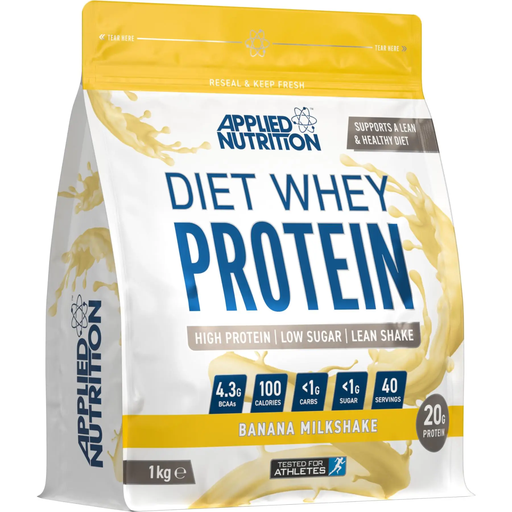
Why This Fits Their Persona: The 1kg format offers a manageable way to try a Diet Whey formula without committing to a larger tub. It supplies 20g of protein and 90 kcal per 25g serving.
Its nutrition panel makes the calorie and protein contribution clear, helping new users avoid treating a shake as an unspecified meal replacement.
20g protein per serving; banana milkshake flavour; suitable for vegetarians according to the supplied product information.
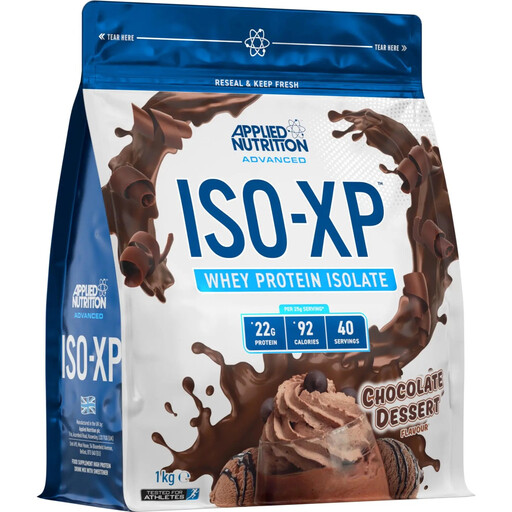
Why This Fits Their Persona: This 1kg ISO-XP option suits gym-goers who prioritise a concentrated protein source with minimal carbohydrate and fat for closely tracked daily macros.
The label identifies whey protein isolate as the main ingredient and lists 22.5g protein, 0.1g carbohydrate and 0.4g fat per serving.
22.5g protein per 25g serving; sunflower lecithin used as an emulsifier; chocolate flavour.
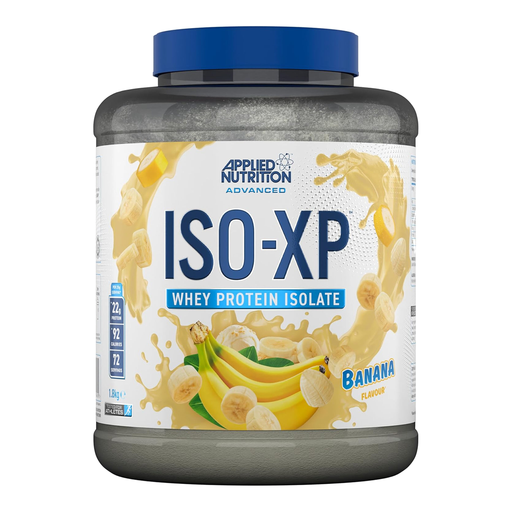
Why This Fits Their Persona: The larger 1.8kg format is practical for regular post-workout protein shake users who already know they will use the same formula consistently.
It combines the larger pack size with a clearly stated 25g serving, allowing regular users to plan servings and compare cost per portion.
22.5g protein per serving; less than 1g carbohydrate and fat per serving; banana flavour in a 1.8kg format.
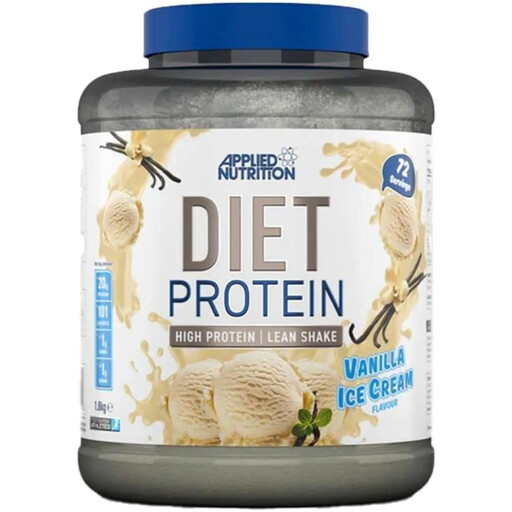
Why This Fits Their Persona: This larger Diet Whey tub suits adults using a low-calorie shake between meals or around training while monitoring protein, carbohydrate and sugar intake.
Its 25g serving provides 20g protein, 101 kcal and 1.02g carbohydrate, making the shake easier to include in a calorie-controlled plan.
20g protein per scoop; approximately 0.9g sugar per serving; chocolate dessert flavour; vegetarian suitability stated in the supplied information.
We have compiled a complete, real-time list of products that fully satisfy these strict selection criteria and UK safety regulations.
Mix one level scoop according to the product label, usually with 150–300ml of cold water or skimmed milk. Water keeps the calorie contribution lower, while milk adds taste and extra nutrients.
A post-workout protein shake is convenient, but timing does not remove the importance of your total daily protein intake. You can also add powder to porridge, oats or smoothies. Do not exceed the stated serving guidance, and remember that supplements should not replace a varied, balanced diet.
Check the tub for milk, soy and other allergen information. If you are pregnant, breastfeeding, under 18, taking prescribed medication or managing a medical condition, seek appropriate professional advice before use.
The listed Diet Whey and ISO-XP products are described as suitable for vegetarians, but they contain milk. Always check the exact product label, as recipes and allergen statements can differ between flavours and pack sizes.
ISO-XP products listed here provide approximately 0.09–0.4g carbohydrate per 25g serving, depending on flavour. They may suit a low-carb eating plan, but include the powder, liquid and any additions when calculating your total intake.
Shelf life depends on the printed best-before date, storage conditions and how frequently you use it. Keep the container tightly closed in a cool, dry place away from moisture and direct sunlight. A 1.8kg tub will last longer than a 1kg tub at the same serving frequency, but it is sensible to choose a flavour you are likely to use consistently.