
24/7 全天候客户支持

免费退货

当日/次日达

品质保障

开启新人专享福利: 全场免邮 | 低至 2 折 | 免费试用 30 天 JoyPlus 会员
下载 Joybuy
Choosing Applied Nutrition whey protein powder is not simply a matter of picking the most appealing flavour or the largest tub. The range includes standard whey blends, professional multi-source formulas, clear whey protein and weight-management options, each designed around different preferences and routines.
For UK shoppers, the important questions are practical: how much protein is in each serving, which type of whey is used, whether the ingredients suit your diet, and whether the pack size represents sensible value. This guide explains the main buying pitfalls and highlights suitable options for different training needs.
A large scoop of powder does not automatically mean a high protein intake. Always compare protein per serving and protein per 100g, rather than relying on tub size or broad phrases such as “high protein”.
Several Applied Nutrition Critical Whey products provide approximately 22–24g of protein per serving, while Applied Nutrition Clear Whey products provide around 21.27g per 25g serving. The serving weights differ, so checking the nutrition panel gives a fairer comparison.
Traditional whey protein concentrate and isolate blends usually make a creamy shake when mixed with water or milk. Clear whey protein is different: it is intended to create a lighter, fruit-drink-style beverage.
If you dislike thick shakes, a standard whey blend may sit unused in the cupboard. Conversely, if you prefer a milkshake texture or want to add protein powder to porridge and recipes, clear whey may not be the most versatile choice.
“Vegetarian”, “halal” and “gluten-free” suitability can vary by product and flavour. Whey is derived from milk, and several products also contain soya lecithin or are made in facilities handling egg, gluten, nuts or other allergens.
Always check the current packaging, full ingredient list and allergen statement before buying, particularly if you have an allergy, intolerance or medical condition.
A blend can provide a balance of texture, nutrition and price. An isolate-focused or hydrolysed product may be more appropriate when you prioritise a low-calorie protein powder or a lighter drink.
For everyday use, compare:
Applied Nutrition Clear Whey products listed here provide around 90 calories, 1g of carbohydrate and 21.27g of protein per 25g serving, although figures can vary by product and label. Standard Critical Whey products generally provide approximately 22–24g of protein per serving, with nutrition values varying by flavour.
Flavour is not a minor detail if you plan to use a supplement regularly. Standard options include chocolate, vanilla, banana, salted caramel and cookies & cream. Clear whey flavours include cranberry and pomegranate, orange, watermelon, strawberry and lime, strawberry and raspberry and cherry and apple.
For a post-workout protein shake, choose a format you can prepare quickly and drink consistently. A standard whey blend can also be mixed with milk, blended into smoothies or used in high-protein recipes.
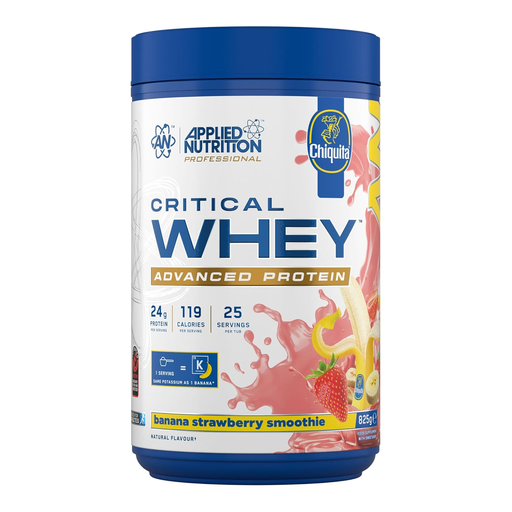
Why This Fits Their Persona: An 825g tub offers a manageable way to start using whey protein without committing to a larger 2kg format. The banana flavour and approximately 24g protein per serving suit everyday shakes after gym sessions or between meals.
The listed serving information makes it easier to compare protein content rather than judging value by packaging size alone.
Whey concentrate, isolate and hydrolysed whey; halal certified and caffeine free according to the supplied product information.
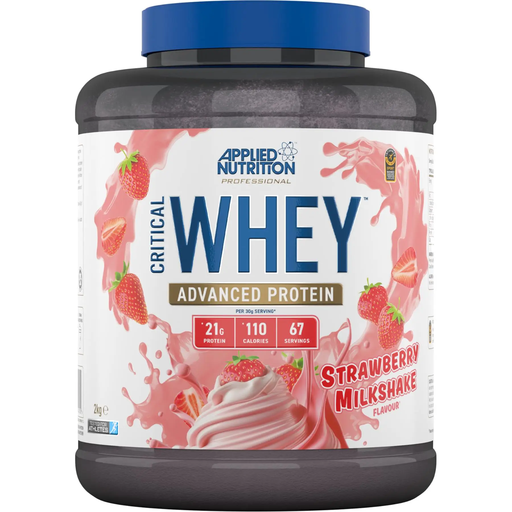
Why This Fits Their Persona: This 2kg option is aimed at adults who use protein powder regularly and want a multi-source formula for ongoing training routines.
The label identifies isolate, concentrate, hydrolysed whey and milk protein concentrate, allowing shoppers to see what “multi-source” means.
Provides 23.8g protein per 33g serving in the supplied nutrition information and is listed as suitable for vegetarian and gluten-free diet plans.
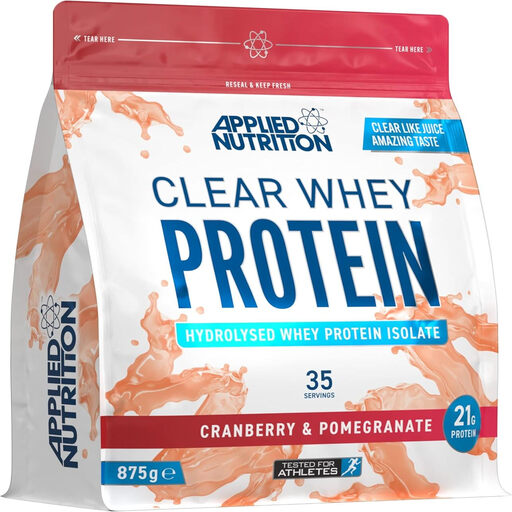
Why This Fits Their Persona: A practical choice for frequent gym-goers who prefer a fruit-juice-style protein drink instead of a creamy shake, including after indoor or outdoor training.
It clearly states a 25g serving, so the low-calorie figures are not confused with the nutrition values of a larger scoop.
Approximately 21.27g protein, 90 calories and 0.24g sugar per serving; the product is also listed as halal certified.
We have compiled a complete, real-time list of products that fully satisfy these strict selection criteria and UK safety regulations.
A typical serving is mixed with cold water, milk or another preferred drink. Standard Critical Whey products commonly use around 25–33g of powder, while clear whey generally uses 25g. Follow the instructions on the specific pack rather than assuming every scoop has the same weight.
Protein powder can be used after training, between meals or in recipes, but it should complement a varied diet rather than replace it. Keep the container closed, store it in a cool, dry place and use the best-before and batch information on the packaging.
It can be a convenient way for adults to increase daily protein intake, including beginners, provided the product suits their dietary requirements. Start by checking the serving size, allergen information and recommended intake.
Some clear whey products are lower in calories per serving. For example, the listed Applied Nutrition Clear Whey options provide approximately 90 calories per 25g serving. Standard whey values vary by flavour and serving size, so compare the nutrition panels directly.
This depends on how much you use. An 825g tub used at 25g per serving provides roughly 33 servings before accounting for measuring variation. A 2kg tub used at 33g per serving provides approximately 60 servings. Actual yield depends on the labelled serving size and whether you use one or several servings per day.