
24/7 Customer Support

Free returns

Same-day & Next-day Delivery

Quality Guaranteed
Download the APP
Categories
Navigating the world of baby formula can feel overwhelming. With so many options available, each designed for different needs, it's natural to want clear, straightforward information. Whether you are looking for a primary source of nutrition for your newborn or a specialised formula to help with digestive discomfort, understanding the differences is key.
As a Joybuy Product Recommendation Officer, my role is to help you sift through the details. This guide offers an objective look at the Aptamil baby formula range, breaking down the key features of several popular options to help you make a well-informed choice for your little one.
Before selecting a formula, it's helpful to consider a few key factors. This isn't about finding a "perfect" product, but about finding the right fit for your baby's specific circumstances.
Identify Your Baby's Primary Need Most infants thrive on a standard first infant milk. However, some may experience common feeding problems. Is your baby generally content, or are you noticing signs of discomfort like frequent spitting up (reflux) or symptoms associated with colic and constipation? Identifying this can help narrow your search from a standard newborn baby formula to a more specialised option, such as a formula for reflux or a baby formula for colic and constipation.
Understand Key Formulation Differences The ingredients and structure of a formula determine its purpose. For example, Aptamil Anti-Reflux contains a thickening agent, carob bean gum, which helps the milk stay in the stomach. In contrast, Aptamil Comfort is formulated with partially hydrolysed protein and reduced lactose, making it easier for sensitive tummies to digest. A standard Aptamil first infant milk is designed to be nutritionally complete for healthy babies without specific feeding issues.
Always Consult a Healthcare Professional It is essential to remember that this information is for guidance only. Breastfeeding is recommended as the primary source of nutrition for babies. Before starting or switching any baby formula, especially a specialised one, you should always seek advice from a doctor, midwife, health visitor or other qualified professional responsible for maternal and child care.
Here are our recommendations from the Aptamil range, each catering to different requirements.
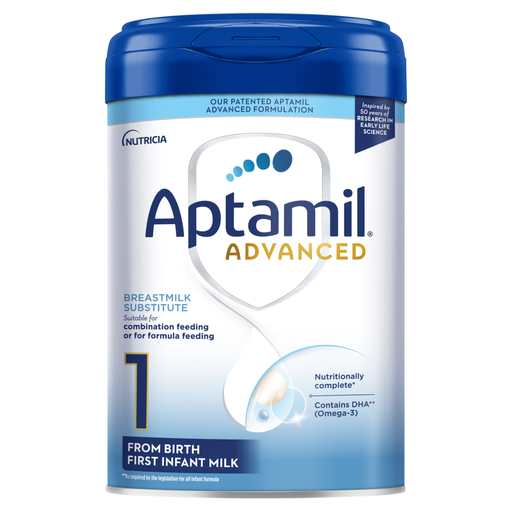
Why It Stands Out: This is a nutritionally complete breast milk substitute suitable from birth. As Aptamil's most advanced formulation, it is designed for babies who are bottle-fed or as part of combination feeding. It contains DHA (Omega-3), an ingredient required by legislation for all infant formulas to support normal visual development.
Pros:
Who is it for? Parents seeking a standard Aptamil stage 1 formula for newborns and infants who do not have specific digestive sensitivities.
View Product Details on Joybuy.co.uk
Important Note: Breastfeeding is best for babies. Aptamil Advanced 1 First Infant Milk should only be used on the advice of a doctor, midwife, health visitor, public health nurse, dietitian, pharmacist or other professional responsible for maternal and child care.
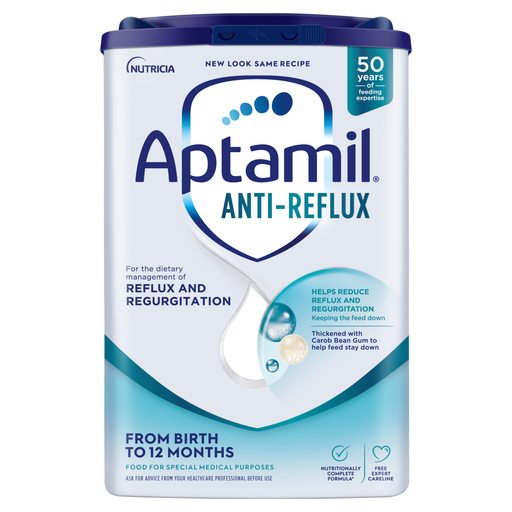
Why It Stands Out: This formula is specifically designed for the dietary management of frequent reflux and regurgitation. Its key feature is the inclusion of carob bean gum, a natural thickener that helps the feed stay down in your baby's tummy, reducing the instances of spitting up.
Pros:
Who is it for? Babies who frequently bring up their milk after feeding. This is a food for special medical purposes and should only be used under medical supervision.
View Product Details on Joybuy.co.uk
Important Note: Breastfeeding is best for babies. Aptamil Anti-Reflux should only be used under medical supervision. It is suitable for use as the sole source of nutrition from birth and as part of a weaning diet from 6 months.
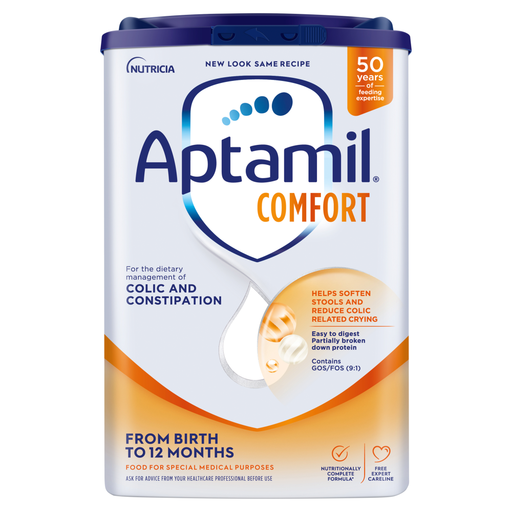
Why It Stands Out: Aptamil Comfort is formulated for the dietary management of colic and constipation. It contains partially hydrolysed protein (whey protein broken into smaller pieces) and reduced lactose, which can make it easier for a baby's developing digestive system to handle. It also includes a special fat blend designed to help soften stools.
Pros:
Who is it for? Infants experiencing digestive discomfort, such as colic or constipation. As a food for special medical purposes, it should be used on the advice of a healthcare professional.
View Product Details on Joybuy.co.uk
Important Note: Breastfeeding is best. This infant milk is suitable from birth and should only be used on the advice of a doctor, dietitian, pharmacist or other professional responsible for maternal and child care.
Every baby is unique, and the products highlighted here are just a part of the broader range available. If you are exploring other formulations, sizes or stages, you can find more choices to suit your family's needs.
Browse our full selection of 800g milk formula to find the right match.
1. What is the difference between Aptamil Stage 1 and other stages? Aptamil Stage 1, also known as First Infant Milk, is nutritionally complete and designed to be the sole source of nutrition for babies from birth up to 6 months. Follow-on milks (Stage 2) are formulated for babies from 6 months onwards as part of a varied weaning diet and contain different levels of nutrients, such as more iron, to support their changing needs. It is important to use the stage appropriate for your baby's age.
2. Can I switch between different Aptamil formulas? Switching formulas is possible, but it should be done carefully. A sudden change can sometimes cause temporary digestive upset. If you are considering moving to a specialised formula like Aptamil Anti-Reflux or Aptamil Comfort, it is highly recommended to do so under the guidance of a healthcare professional who can monitor your baby's progress.
3. How do I prepare Aptamil formula safely? For your baby's safety, it is crucial to follow the preparation instructions on the packaging exactly. This includes sterilising all feeding equipment, using water that has been boiled and cooled to the correct temperature (this can vary between formulas) and using the scoop provided to measure the powder accurately. Never add extra powder or water, as this can make your baby ill.