For architectural details at a quiet study desk, choose a pen display if placing lines and annotations directly on the image matters most and you have room for its screen and connections. A screenless pen tablet suits a more compact, monitor-based setup if you are comfortable drawing in one place while watching the cursor in another. For either route, check the exact model’s drawing area, computer and software compatibility, connections and bundle contents before ordering.
Who each setup suits
Detail-focused drawing users
If you regularly place fine lines, dimensions, hatching or mark-ups, consider whether drawing directly over a visible detail helps your workflow. Huion’s Kamvas Pro 16 (2.5K) illustrates the pen-display route; check the display and pen specifications of the model you would actually buy.
Compact-study workstation users
If desk space and keyboard access matter more than drawing on the image itself, compare screenless tablets. Wacom’s Intuos Pro (2025) offers customisable controls and USB or Bluetooth connectivity, but you draw while looking at a separate monitor.
Long-session drawing users
If you spend extended periods drawing or reviewing details, assess screen reflection, drawing angle, shortcut placement and room for your keyboard. Confirm whether the stand you want is included with the exact bundle.
What matters when choosing
Screenless pen tablet
Choose it when: A compact desk and access to keyboard shortcuts matter more than drawing on the image.
Accept: Your hand moves on the tablet while your eyes follow the cursor on a separate monitor.
Pen display
Choose it when: You want to place architectural lines and annotations directly on the displayed drawing.
Allow for: Screen space on the desk and the computer, cable and power arrangement required by the exact model.
| Concern | What to check | Who this matters to |
|---|
| Detail placement and visibility |
For a pen display, compare screen size, native resolution and drawing surface; for a screenless tablet, check active-area size and its relationship to your monitor. |
When I place fine lines or small annotations, I want to judge their position against the visible drawing. Around 36% of consumers put direct detail placement first. |
| Desk space and shortcuts |
Check the device footprint, cable route, keyboard position and whether its controls work with your drawing software. |
I need room to work at my study desk without losing easy access to common commands; roughly 29% of consumers prioritise a compact, orderly setup. |
| Computer and software fit |
Confirm operating-system and application compatibility, required ports, power arrangements and included cables for the exact model. |
Before I commit to a device, I want to know it will connect to my computer and work with the drawing application I use. About 21% of consumers make compatibility their primary concern. |
| Comfort over longer sessions |
Assess reflections, drawing angle, pen grip and control placement; confirm whether a suitable stand comes with the bundle. |
For long drawing or review sessions, I need an angle and screen position that suit my workstation. Around 14% of consumers put physical and visual comfort first. |
Buying pitfalls
-
Assuming a pen display needs only one cable
A display needs an appropriate computer connection and may need additional power. XPPen’s Artist Pro 16 (Gen 2) manual specifies a USB-C computer connection and an external-power step if the screen does not light.
Compare the exact model’s connection instructions with your computer’s ports, and check which cables and power accessories the bundle includes.
An unsuitable supplied setup may require a compatible cable, adapter or power supply.
-
Using pressure levels as a precision verdict
Pressure and tilt are pen-input specifications, not a complete measure of how well a device will serve architectural linework. The drawing area, visible detail and indirect or direct input method also affect the choice.
Compare the complete drawing setup and confirm that your intended software supports the input features you need.
-
Assuming a stand is included
An adjustable drawing angle can matter at a fixed desk, but a stand shown alongside a display is not necessarily part of every retail bundle.
Check the exact listing for the stand, pen, nibs, power accessories and cables before deciding whether the package suits your workstation.
A separately obtained stand may be needed for your preferred drawing angle.
-
Putting off the first setup
Leaving the device boxed delays discovering whether its pen, connections and controls suit your computer and drawing workflow.
Set it up and try your intended application soon after delivery, keeping track of the applicable return process. A change-of-mind cancellation is separate from remedies for faulty or misdescribed goods.
Relevant brands to compare
Wacom
Wacom’s Intuos Pro (2025) is a screenless pen tablet to consider for a fixed desk and monitor-based workflow.
- Wacom lists USB and Bluetooth connectivity, customisable controls, a 16:9 active area, 8,192 pressure levels and ±60° tilt for this model.
- You view the cursor on a separate monitor; check the active-area size and compatibility of the variant you choose.
Huion
Huion’s Kamvas Pro 16 (2.5K) represents direct-on-screen drawing at a study desk.
- Huion lists a 15.8-inch 2.5K display at 186 PPI, a laminated anti-glare surface and a battery-free pen for this model.
- Check the computer connections, working angle and stand contents of the exact bundle rather than assuming the same accessories across listings.
XPPen
XPPen’s Artist Pro 16 (Gen 2) is another direct-drawing display, with a foldable stand listed by the manufacturer.
- XPPen lists an X3 Pro Smart Chip Stylus and claims 16,384 pressure levels for this model; that figure alone does not establish drawing performance against other devices.
- Its manual specifies a USB-C computer connection and notes that external power may be needed if the display does not light.
Joybuy tablets for direct screen drawing
These TECLAST ArtPad Pro listings are standalone Android tablets for drawing on their own screens, not the computer-connected pen displays or screenless pen tablets compared above. Check that your architectural drawing application and required pen features work with the exact tablet and stylus before choosing either listing.
 No image available
TECLAST ArtPad Pro 12.7-inch 2K, 2025 Edition
Consider this standalone tablet if you want to draw directly on a screen and your intended application works on Android 15.
The listing specifies a 12.7-inch 2K display, 256GB storage and 4,096-level pressure support for T-Pen drawing. It says a stylus is included, but confirm its exact model and whether it provides the stated T-Pen support.
View on Joybuy
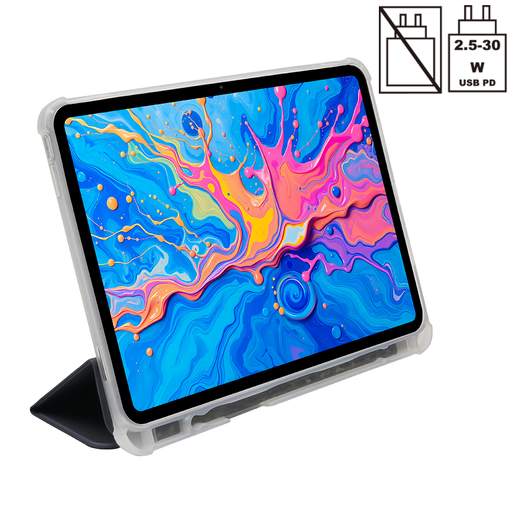 No image available
TECLAST ArtPad Pro 12.7-inch 2K, case included
This standalone tablet is another direct-on-screen option if your intended drawing application suits its platform and pen setup.
The listing specifies a 12.7-inch 2K display, 256GB storage, T-Pen compatibility and 4,096-level pressure support for T-Pen drawing. A case is included; confirm whether a compatible pen is included before ordering.
View on Joybuy
Common questions
Is a pen display always preferable for architectural details?
No. A pen display suits drawing directly over visible plans and annotations, while a screenless pen tablet can suit a compact desk and keyboard-led workflow. Choose according to your preferred hand-to-cursor arrangement, available space and computer connections, not pressure-level figures alone.
Can a pen display work without a computer?
Do not assume it can. XPPen’s Artist Pro 16 (Gen 2) manual instructs users to connect that display to a computer by USB-C and to provide external power if the screen does not light. Check the requirements of the exact display; a standalone Android tablet is a different type of device.
What should I test after an online UK purchase?
Try the pen, supplied cables, controls and your intended drawing software promptly. Under the UK Consumer Contracts Regulations 2013, the cancellation period for most online goods ends 14 days after the day you receive them; GOV.UK says you then have a further 14 days to return an item after notifying the seller. Exceptions can apply, and remedies for faulty goods are separate from change-of-mind cancellation.
What should I do with an old drawing tablet or display?
Look for an appropriate reuse or electrical-equipment recycling route rather than treating it as ordinary household waste. GOV.UK describes the UK’s waste electrical and electronic equipment rules as aimed at reducing disposal through landfill and incineration.


