iPad architectural sketchers
If you already own a compatible iPad, choose the Pencil model around the drawing and annotation controls your app uses. Apple lists different features and compatible iPads for its Pencil models.


Choose a stylus that works with your exact tablet and drawing app before comparing pen controls. Apple Pencil Pro offers pressure, tilt and shortcuts on supported iPads, while the S Pen offers pressure and tilt on compatible Galaxy Tabs; Apple Pencil (USB-C) is another option for compatible iPads when annotation and simpler sketches are the priority. If you work at a fixed desk with a compatible computer, Wacom One 14 offers a larger connected drawing surface, but it is not a standalone tablet stylus.
If you already own a compatible iPad, choose the Pencil model around the drawing and annotation controls your app uses. Apple lists different features and compatible iPads for its Pencil models.
If you use a compatible Galaxy Tab for sketches and mark-ups, Samsung describes its Tab S9 and S10-series S Pen as pressure- and tilt-sensitive. Check the precise tablet model before choosing a replacement pen.
If most of your drawing happens at one desk and you have a compatible laptop or PC, the Wacom One 14 provides a connected pen-on-screen workspace rather than a portable, standalone tablet setup.
Start with tablet and app compatibility, then decide whether your work calls for variable strokes and shortcuts or a larger, computer-connected drawing surface.
| Concern | What to check | Who this matters to |
|---|---|---|
| Tablet and app compatibility | Match the exact tablet model and generation to the pen maker’s list, then check your drawing app’s stylus support. | If I already have a tablet, I need a pen that works with both it and the app I use for architectural details. Around 42% of consumers put that compatibility first. |
| Line control and shortcuts | Check whether your app uses pressure or tilt for the tools you draw with and supports the pen’s shortcut controls. | When I vary sketch strokes or switch tools repeatedly, those controls matter more to me than they would for fixed-width annotation; around 25% of consumers prioritise this kind of drawing control. |
| Desk workspace | Consider the drawing area and available desk space; for a pen display, check computer ports and any required accessories. | For long sessions at one desk, I may favour a dedicated drawing surface over a setup I can carry around. A larger fixed-desk workspace is the main concern for around 33% of consumers. |
Apple Pencil and Samsung S Pen compatibility depends on particular tablet models. A USB-C port or magnetic edge does not establish that a pen will pair and work as intended.
Find your tablet’s full model and generation in its settings or on the device, then check the manufacturer’s compatibility list.
Pressure, tilt and shortcuts matter only when the tools in your chosen app respond to them. Fixed-width technical lines and pressure-varying sketches can call for different controls.
Check how your app handles the two or three actions you use most, such as changing line width, switching to an eraser or marking up a PDF.
The Wacom One 14 needs a compatible laptop or PC. Wacom specifies a separately sold converter kit for computers without DisplayPort Alt Mode and sells the stand separately.
Check your computer’s USB-C display capability and available desk space before choosing this route. If you need to draw without a computer, look at a compatible tablet-native stylus instead.
Apple Pencil models serve different compatible iPads and drawing needs.
S Pen accessories and bundled pens are intended for particular Galaxy Tab models.
The Wacom One 14 is a computer-connected pen display for a fixed drawing desk, not a standalone tablet stylus.
These Apple Pencil models are options for drawing or annotation on compatible iPads. Choose between them by checking your exact iPad model, your app’s pen controls and how you prefer to pair and charge the stylus.
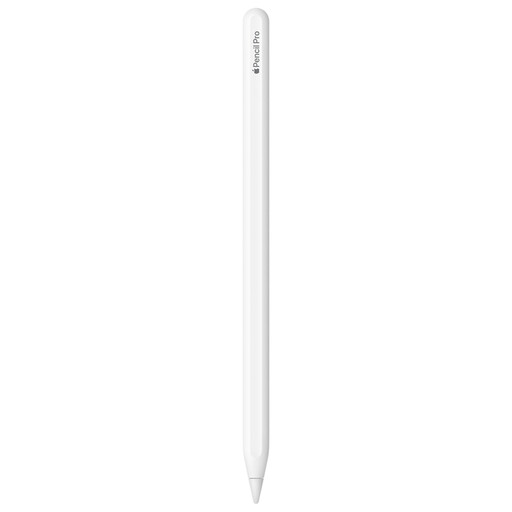 No image available
Consider this model if your compatible iPad and drawing app can use pressure-varying strokes and pen shortcuts for detailed sketches.
Apple specifies pressure and tilt sensitivity, hover, squeeze, barrel roll and magnetic pairing and charging. Check your exact iPad model and the controls supported by your app before buying.
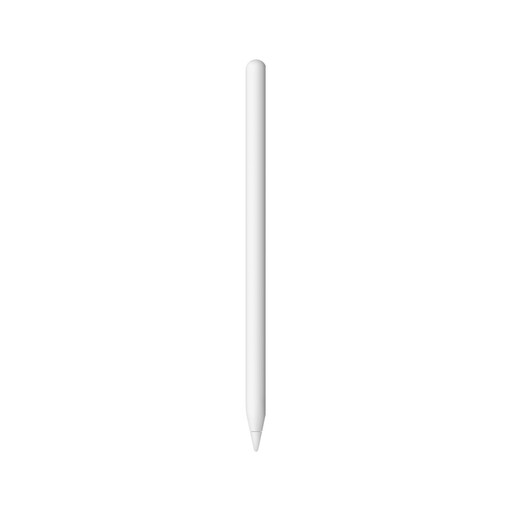 No image available
For drawing or PDF mark-up on an existing iPad, check whether this generation is listed for your exact model.
Confirm that your drawing app supports the pen controls your architectural-detail work requires.
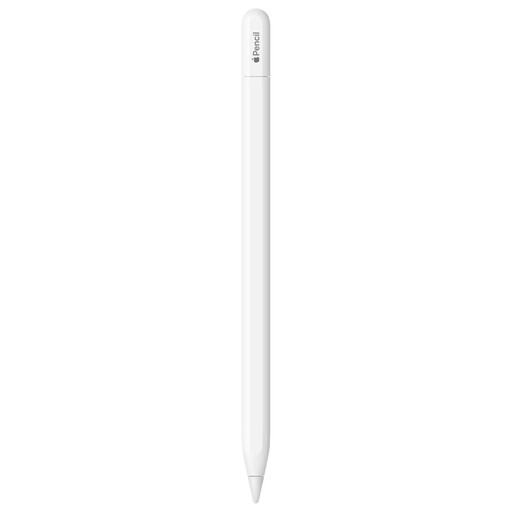 No image available
Consider this model for annotation and simpler sketches if it is compatible with your iPad and your app does not depend on pressure-varying strokes.
Apple specifies tilt sensitivity, magnetic storage and USB-C cable pairing and charging. Check the exact iPad model and your app’s drawing-tool requirements.
Compare your tablet’s exact model and generation with the stylus maker’s compatibility list. Apple Pencil models support selected iPads, while Samsung identifies the Galaxy Tab series for its replacement S Pen; a shared connector or similar-looking attachment is not enough to establish compatibility.
Not for every task: fixed-width lines and PDF annotation may not use it, but pressure matters when your chosen app maps it to stroke width, opacity or brush behaviour. Concepts describes pressure-responsive width for its Dynamic Pen; check the tools you actually use before choosing a stylus for that feature.
It needs a compatible laptop or PC connection as well as desk space for the display. Wacom specifies Thunderbolt 3 or later or DisplayPort Alt Mode for its single-cable USB-C setup; a computer without DisplayPort Alt Mode needs its separately sold converter kit, and the stand is sold separately.
Check your local authority’s instructions for electrical recycling rather than putting a stylus with electronic parts or a battery in general waste. Oxfordshire County Council says household electrical items can be taken to its waste recycling centres and that removable batteries should be recycled separately where applicable.