
24/7 Customer Support

Free returns

Same-day & Next-day Delivery

Quality Guaranteed

Unlock Your Welcome Offers: FREE Delivery | Up to 80% OFF | Free 30-day JoyPlus trial
Download the APP
Watching your dog struggle with constant scratching, digestive upset or dull fur can be frustrating. As a caring owner in the UK, you want to find a solution, but the dog food market is filled with confusing claims. Navigating labels to find a genuinely suitable hypoallergenic dog food for adult dogs can feel like a full-time job. Many owners find themselves caught in common purchasing traps.
One major pitfall is the overuse of the term "hypoallergenic." This term is not legally defined, meaning it can be applied to foods that still contain common triggers like chicken, beef or wheat. Another issue is vague ingredient lists. Phrases like "meat and animal derivatives" can conceal a mix of protein sources, making it impossible to identify and avoid the specific ingredient causing your dog's discomfort. This guide will help you understand the key factors in choosing a diet that truly supports your sensitive companion.
To make an informed choice, it's crucial to look past the marketing slogans and analyse the ingredient list. For a dog with sensitivities, three components are particularly important: the protein source, the carbohydrate source and the fats that support skin health.
Many food sensitivities in dogs are triggered by proteins they have been frequently exposed to, such as chicken or beef. A "novel" protein is one your dog has likely never eaten before, which reduces the chance of an adverse reaction. This is why a white fish and potato dog food is often a great starting point. Ocean white fish is not only a high-quality, easily digestible protein but is also less likely to cause a reaction. When checking the label, look for specific terms like "fresh ocean white fish" or "ocean white fish meal" rather than generic "fish meal," as this indicates a higher quality and more transparently sourced ingredient.
For many dogs, certain grains like wheat, maize and soya can be difficult to digest and may contribute to skin and gut issues. A grain-free dog food for sensitive digestion replaces these with alternative carbohydrate sources. Potatoes and sweet potatoes are excellent choices as they provide slow-release energy and are gentle on the digestive system. This ensures your dog gets the energy they need without the digestive load that can come from common grains.
If you're looking for a dog food for skin allergies, the type and amount of fat are critical. Omega-3 and Omega-6 fatty acids play a vital role in maintaining a healthy skin barrier and a glossy coat. Ingredients like whole linseed, krill and fish oils are rich sources of these essential fats. A balanced ratio helps to manage inflammation, which is often the root cause of itching and redness. Finding a suitable food for dogs with itchy skin in the UK means checking for these specific, beneficial oil sources on the ingredient list.
Based on these principles of transparent labelling, novel proteins and supportive ingredients, we've selected a few options that cater to different needs and budgets.
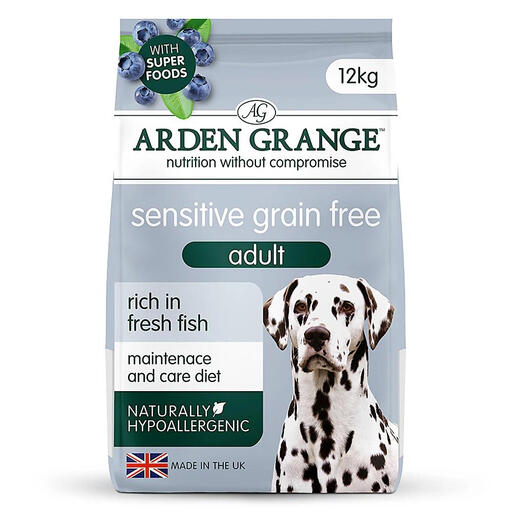
Why This Fits Their Persona: This is for the owner who is committed to providing a top-tier nutritional solution to manage their dog's long-term skin or digestive sensitivities and is looking for a trusted, grain-free formula.
The ingredient list is transparent, featuring 22% fresh ocean white fish and 18% ocean white fish meal as the primary protein, avoiding vague "meat derivatives" and common allergens.
It's a completely grain-free recipe and includes beneficial supplements like prebiotics and joint support (glucosamine, MSM and chondroitin), offering more than just a basic diet.
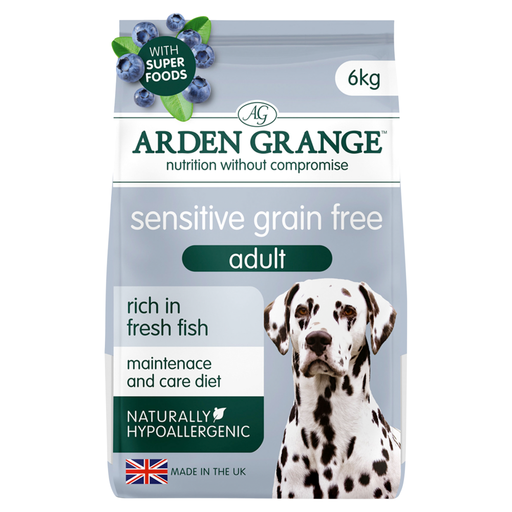
Why This Fits Their Persona: Perfect for owners of smaller breeds or those who want to trial this specific formula to ensure it suits their dog before committing to the larger, more economical Arden Grange grain free 12kg bag.
This bag contains the exact same high-quality, transparently labelled formula as the 12kg version, ensuring you are testing the final product without compromise.
The smaller pack size minimises financial commitment and reduces the risk of food waste if you are transitioning between diets or have a small dog with a modest appetite.
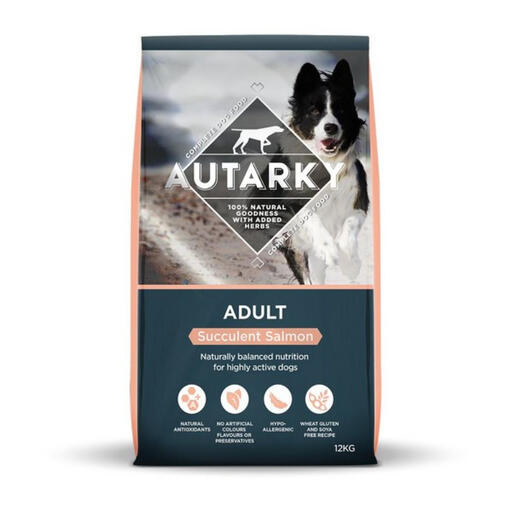
Why This Fits Their Persona: An excellent choice for owners of active or working dogs who need a functional, fish-based diet that is free from common allergens like wheat-gluten and soya, but at a more accessible price point.
It clearly states 35% salmon content and is explicitly free from wheat gluten and soya, providing transparency and avoiding two of the most common triggers for sensitive dogs.
This food offers a great balance of quality and value. The inclusion of rice and oats provides sustained energy for active dogs, and added herbs support overall digestion and immunity.
We have compiled a complete, real-time list of products that fully satisfy these strict selection criteria and UK safety regulations.
When switching to any new food, it's important to do so gradually to avoid digestive upset. Start by mixing a small amount of the new food (around 25%) with your dog's old food (75%). Over the course of 7-10 days, slowly increase the proportion of the new food while decreasing the old, until you are feeding 100% of the new diet.
While a grain-free diet is essential for dogs with specific grain allergies or sensitivities, it is not a requirement for all dogs. Many dogs digest high-quality grains perfectly well. However, for dogs showing signs of food intolerance like itchy skin or loose stools, a grain-free formula is often a very effective way to eliminate potential triggers from their diet.
Patience is key. If a food ingredient was the cause of the problem, you may start to see a reduction in itching and inflammation within 4 to 6 weeks. For skin and coat condition to fully improve, it can take up to 12 weeks as new, healthy fur grows in. Always ensure you are feeding the new diet exclusively during this trial period.