
24/7 Customer Support

Free returns

Same-day & Next-day Delivery

Quality Guaranteed

Unlock Your Welcome Offers: FREE Delivery | Up to 80% OFF | Free 30-day JoyPlus trial
Download the APP
An area rug can make a room feel warmer, more defined and visually complete, but choosing one from a product photograph alone can lead to disappointing results. UK homes often have mixed flooring, compact rooms and open-plan layouts, so a rug must suit both the décor and the way the space is used.
Before buying, watch for three common pitfalls:
Start by measuring the available floor area, then allow space around furniture so the rug does not look cramped. A small accent rug can define a reading nook, bedside area or home office chair, while a larger design can sit beneath the front legs of a sofa and chairs.
Round designs are useful where a square or rectangular rug would make the layout feel rigid. For example, a round jute rug measuring 100 cm by 100 cm can work beneath a small table, in a reading corner or as a layered feature. A 152 cm round rug has more presence and may help anchor a compact seating arrangement.
When comparing dimensions, remember that a 59.8 × 83.8-inch rug is approximately 152 × 213 cm. This makes it considerably larger than a small accent piece.
The material affects appearance, touch, cleaning and suitability for foot traffic.
Pile height is also important. Thick rugs feel comfortable underfoot but may catch beneath doors or furniture. Low-pile area rugs usually create a flatter profile and are easier to place in rooms with frequent movement.
Construction details can reveal more than promotional styling. Hand-woven products may show small variations in colour, shape and texture because each piece is individually made. These differences are part of the visual character rather than evidence of a uniform factory finish.
Check whether the rug has a backing, how it should be dried and whether it is suitable for the intended floor. Natural fibres should not be left wet for long periods. For any rug placed on a smooth surface, consider a compatible anti-slip underlay and keep the edges flat to reduce trip risks.
The room’s purpose should guide the purchase. A floral bedroom rug may prioritise softness and pattern, while a living room rug needs to work with furniture placement, everyday footfall and cleaning routines.
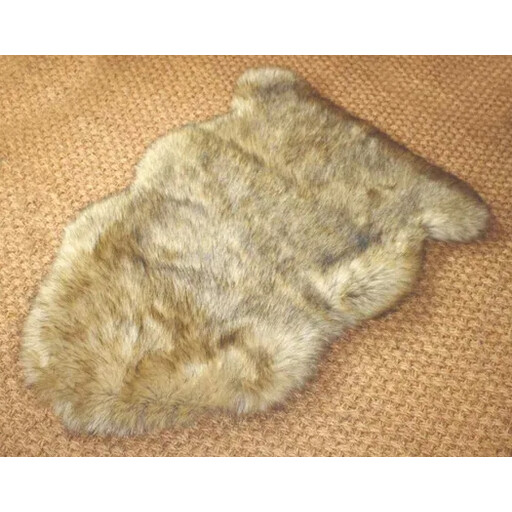
Why This Fits Their Persona: Its 60 × 90 cm format suits renters, first-time decorators and shoppers who want a compact feature for a bedside area, reading corner or small lounge zone.
The clearly stated small size helps avoid buying a rug that overwhelms a compact UK room. Its synthetic acrylic construction also avoids the specialist moisture restrictions associated with natural jute.
Irregular hide-inspired shape, brown tip-dyed finish, acrylic pile and faux suede backing.
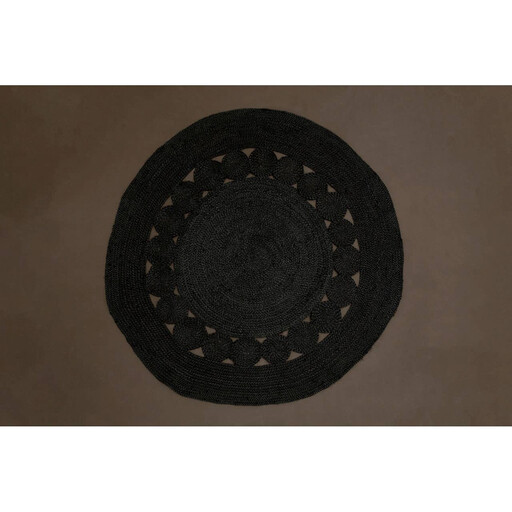
Why This Fits Their Persona: The generous circular format and bold black finish suit shoppers creating a defined focal point in a living room, conservatory or spacious home office.
The listed 152 × 152 cm dimensions make the scale easier to judge, while the hand-woven construction sets clear expectations for natural variation rather than a perfectly uniform finish.
100% jute, concentric circular pattern, braided texture and suitability for medium-traffic living spaces.
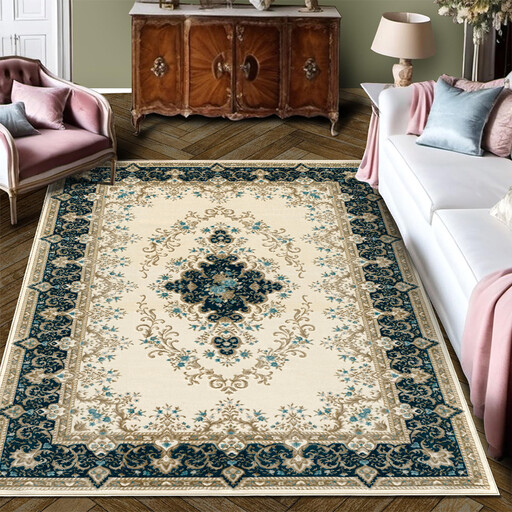
Why This Fits Their Persona: The large 59.8 × 83.8-inch format is suited to households needing broad floor coverage across a living room, bedroom, kitchen or home office.
Its stated washable, low-pile and no-slip features address practical-care concerns, although buyers should still confirm care instructions and floor compatibility before use.
Floral vintage print, low-pile profile, washable design and large rectangular coverage.
We have compiled a complete, real-time list of products that fully satisfy these strict selection criteria and UK safety regulations.
Measure the seating arrangement first. A rug should usually sit beneath at least the front legs of key furniture, or clearly define a smaller zone such as a coffee table and armchairs. For compact rooms, a round rug or small accent rug can add definition without covering most of the floor.
Lifespan depends on foot traffic, moisture, cleaning and whether the rug is moved or dragged. Jute has naturally strong fibres, but it should be kept dry, vacuumed gently and spot-cleaned according to the care guidance. Avoid soaking a natural jute rug, particularly on timber or laminate flooring.
A faux fur rug can provide a soft surface beside a bed or in a quiet reading corner. Acrylic pile is generally straightforward to maintain, but its plush texture can collect dust more visibly than a low-pile rug. Regular gentle cleaning and careful placement can help retain its appearance.