
24/7 Customer Support

Free returns

Same-day & Next-day Delivery

Quality Guaranteed

Unlock Your Welcome Offers: FREE Delivery | Up to 80% OFF | Free 30-day JoyPlus trial
Download the APP
As the Joybuy Product Recommendation Officer, I see how the right tools can unlock a world of creativity for both children and adults. However, navigating the world of art and craft supplies can be tricky. The market is filled with brightly packaged promises that often lead to disappointment. Before you fill your basket, let's look at a few common pitfalls that cause UK shoppers to waste money on supplies that end up gathering dust.
The "Washable" Myth That Stains Your Furniture Many parents have been lured in by the promise of "washable" kids' paint, only to discover it leaves a permanent mark on a favourite t-shirt or the new sofa. The term "washable" isn't standardised, and its effectiveness can vary wildly between brands and the type of fabric or surface it lands on.
The "All-in-One" Kit Illusion Large kids art sets boasting over 100 pieces can seem like incredible value. Often, these are bulked out with low-quality filler items: flimsy crayons that snap, dried-up markers and tiny paint pots with weak pigment. You end up with a box of unusable clutter rather than a toolkit for creativity.
Misleading Age and Safety Labels A product labelled non-toxic is a great start, but it doesn't automatically mean it's safe for a toddler. Many kits contain small parts that pose a choking hazard, a critical detail sometimes hidden in small print. Similarly, a craft kit might be too complex for its advertised age range, leading to frustration instead of fun.
To make a smart purchase, you need to look past the marketing claims and focus on a few core parameters. These are the non-negotiables that determine whether your new supplies will be a joy to use or a source of frustration.
For any product intended for children, especially creative toys and paints, safety is paramount. In the UK and Europe, look for compliance with the EN 71 Toy Safety Standard. This is a strong indicator that the product has been assessed for various safety aspects, including chemical content.
The quality of colouring pencils, paints and markers comes down to pigment concentration.
A tool is only as good as its design. Consider who will be using the supplies and for what purpose.
Based on these practical criteria, we've matched a few standout products to specific user needs. These recommendations focus on delivering genuine value and a positive creative experience.
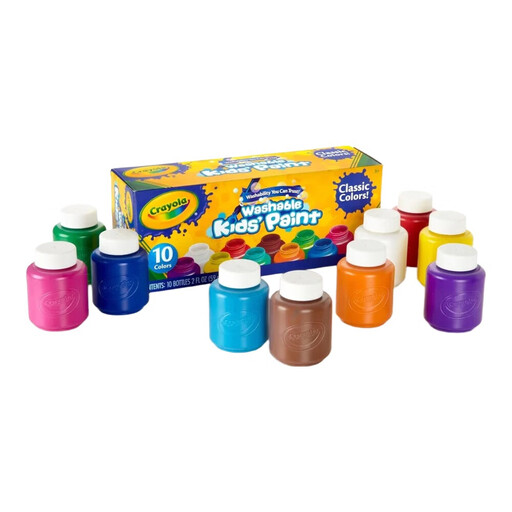
Why This Fits Their Persona: This set is ideal for parents introducing toddlers and preschoolers to painting. The focus is on safe, stress-free fun, where cleanup is straightforward and the colours are bright enough to keep a young child engaged.
It directly counters the "washable myth" with a water-based formula specifically designed for easy cleanup from skin and most fabrics. It also has a clear age rating (3+) and non-toxic properties, avoiding safety ambiguity.
The 10-colour palette provides a good range for colour mixing basics. The paint provides even coverage, perfect for little hands using brushes, sponges or fingers.
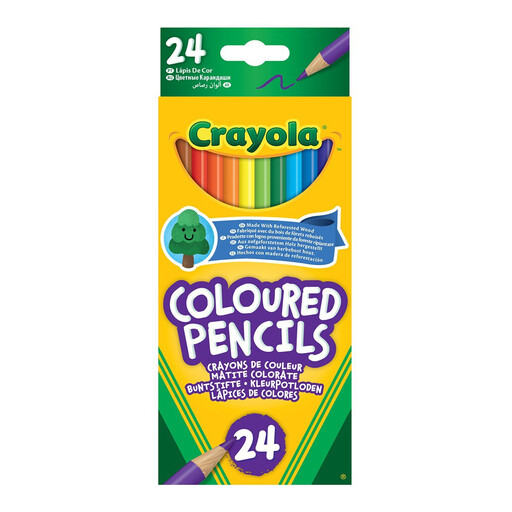
Why This Fits Their Persona: Perfect for primary school children working on school project materials or developing their drawing skills. They need reliable pencils that won't constantly break and that offer good colour for more detailed work.
This set avoids the "quantity over quality" trap. Instead of a huge kit with filler, it provides 24 genuinely useful pencils with high-quality, break-resistant leads and rich pigments for smooth, vibrant colouring.
The leads are designed to glide effortlessly without graininess, making blending and layering easier. The barrels are made from high-quality wood, ensuring they sharpen easily and cleanly.
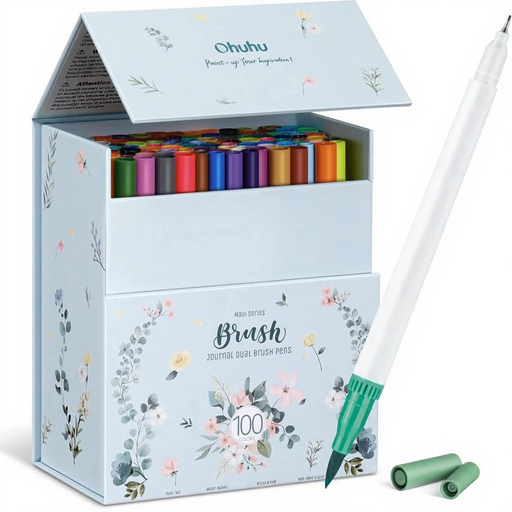
Why This Fits Their Persona: This is for the adult colouring enthusiast, bullet journaller, or art student who needs a wide range of colours and tip versatility for lettering, shading and detailed work, all without the professional artist price tag.
While it's a large set, it sidesteps the "all-in-one" illusion by providing 100 distinct, vibrant and numbered colours. The value comes from the functional variety and dual-tip design, not from useless filler items.
The dual tips (0.4mm fineliner and 1-6mm brush) provide exceptional versatility in a single marker. The water-based ink allows for blending to create watercolour-style effects on appropriate paper.
We have compiled a complete, real-time list of products that fully satisfy these strict selection criteria and UK safety regulations.
The most reliable method is to look for explicit safety standard markings on the packaging. In the UK, the CE or UKCA mark, along with a reference to the EN 71 standard, indicates the product complies with toy safety regulations. Always read the small print for age-specific warnings, especially regarding small parts that could be a choking hazard for children under three.
The primary difference is the pigment-to-binder ratio. Artist-grade paints have a much higher concentration of fine, pure pigment, resulting in more vibrant, lightfast (resistant to fading) colours. Student-grade paints contain more fillers and synthetic binders, which makes them more affordable but results in less intense colour and can sometimes have a chalky finish when dry. For beginners, hobbyists and school project materials, student-grade is often perfectly sufficient.
Proper storage can significantly extend the life of your supplies.